
REVIEW · PARIS
Wine and cheese tasting at Latin Quarter
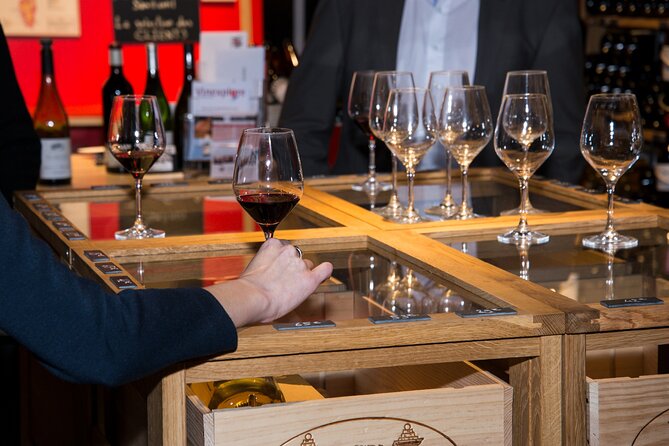
Paris does wine tasting well when it keeps the fuss to a minimum. Here, you sit in a small wine shop in the Latin Quarter and work through three French wines with bread and two or three cheeses. The lesson covers how to taste, where each wine comes from, and how French regions shape what ends up in your glass.
I like the six-person limit, which gives you room to ask questions without having to compete with a large tour group. I also like the relaxed format: you are not rushed from one formal course to another, and the host can adjust the tasting to your preferences. The main consideration is the shop setting, which can feel cramped, and the presentation may be more conversational than carefully scripted.
Key points to know before booking
- Three wines, several French regions: Expect a varied tasting rather than three versions of the same style.
- Cheese is part of the lesson: Two or three French cheeses are served with bread and paired with the wines.
- Very small group: The maximum is six people, though some sessions may have only two guests.
- Simple tasting guidance: You learn how to smell, taste, and identify wine without heavy technical language.
- Latin Quarter location: Meet at 64 Boulevard Saint-Germain at 3:30 pm and finish at the same place.
- Bottle-buying advice: Hosts can suggest bottles based on your tastes, though buying wine is not required.
A 90-minute introduction to French wine
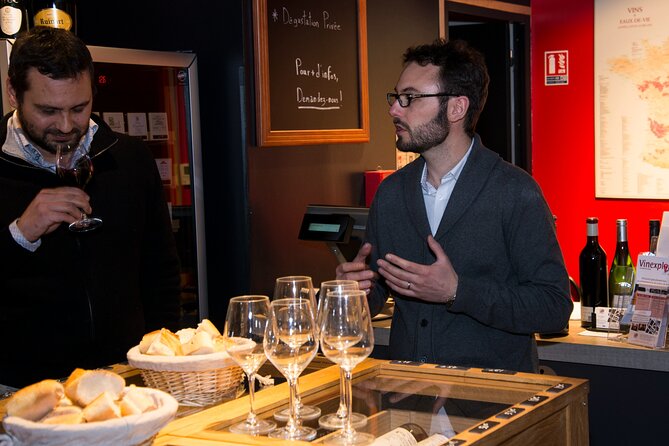
This is a compact tasting, not a full meal or a long lesson in French viticulture. In about an hour and a half, you sit down with a host from Le Vin qui Parle and taste three wines alongside French cheeses.
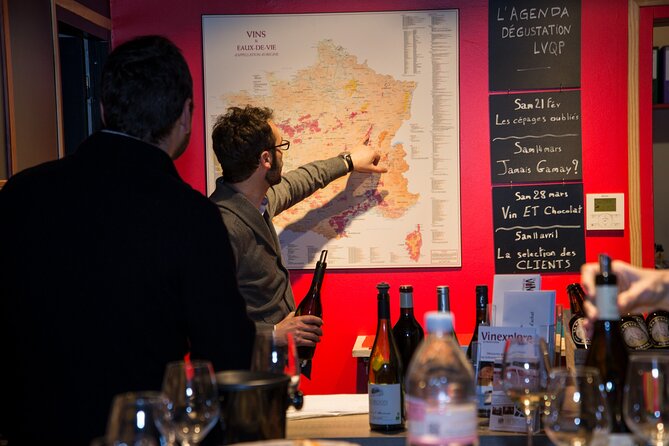
The format gives you enough time to notice differences without turning the afternoon into a study session. You can expect conversation about the wines’ origins, regions of production, and basic characteristics. The host also explains how to taste and appreciate wine, using practical terms instead of burying you in wine-school language.
That matters in France, where a wine label can feel like a code. The name may tell you a region, village, or producer, but not always in the direct way you expect. Learning to connect a wine with its region and style helps you make better choices later in your trip, especially when you are ordering in a restaurant or browsing a wine shop.
The tasting usually moves through different types of wine. One session included a rosé, a white, and a red, which makes for a useful comparison in a short time. The exact wines can vary, and that is part of the appeal. You are not locked into a fixed flight that ignores your preferences.
More Wine and Cheese Tastings in France
- Paris: Montmartre Cheese, Wine & Pastry Guided Walking Tour
★ 4.8 · 2,255 reviews - Private Montmartre Food Tour with Wine, Cheese & Pastries
★ 5.0 · 1,027 reviews - Paris Le Marais Food Tour With 10+ Tastings, Cheese, Wine & More
★ 5.0 · 985 reviews
Starting at 64 Boulevard Saint-Germain
The meeting point is 64 Boulevard Saint-Germain, in Paris’s Latin Quarter. You should arrive ready to begin at 3:30 pm. The activity ends back at the meeting point, so you do not need to arrange a separate pickup or find your way to another part of the city afterward.
The location is practical for a wine tasting because you can pair it with an afternoon in the Latin Quarter. You might visit the nearby streets and sights before the tasting, then continue on foot for dinner afterward. Since the activity lasts only about 90 minutes, it fits neatly into a day of sightseeing.
The tasting takes place in a local wine-shop setting rather than a grand restaurant or formal cellar. That gives the experience a more everyday Paris feel. You are learning in a place where wine is selected and sold, not simply displayed for tourists.
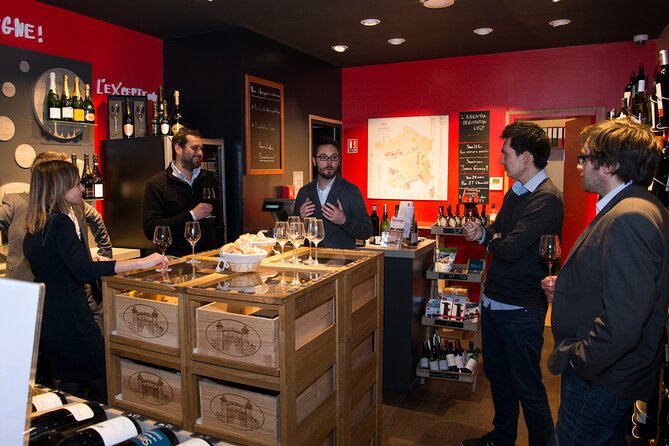
The setting does have a tradeoff. One person found the shop a little cramped, though also cozy, with string lights adding warmth. If you want a polished dining room with plenty of personal space, this may feel informal. If you enjoy a close, shop-based setting, the compact room can help the tasting feel personal.
Learning how to taste without the jargon
The most useful part of the session is the practical tasting method. You learn how to look at the wine, smell it, taste it, and think about its character. The goal is not to turn you into a sommelier in 90 minutes. It is to give you a few habits you can use for the rest of your trip.
A good host can make this kind of lesson easy to follow. Imogen was described as charming and well informed, while Alex received praise for explaining both tasting and winemaking clearly. Camille was also singled out for a friendly, professional presentation. Names and hosts can change, but these sessions appear to be led by people who enjoy talking about French wine and food.
The tone is meant to be social. You can ask about grape varieties, regions, food pairings, or anything else connected to France. The host is also curious about your own country, so the conversation is not limited to a one-way lecture.
That open format works especially well if you know little about wine. You can ask basic questions without feeling out of place. It also suits people who already know a bit about French wine and want to test their understanding or discover bottles they have not tried before.
One small caution: the presentation may not always follow a rigid script. A session was described as informative but somewhat scattered. If you prefer a formal lesson with a precise sequence and detailed printed notes, this could feel loose. I see that as a minor weakness rather than a dealbreaker, since the small group lets you steer the discussion.
Three wines from different French regions
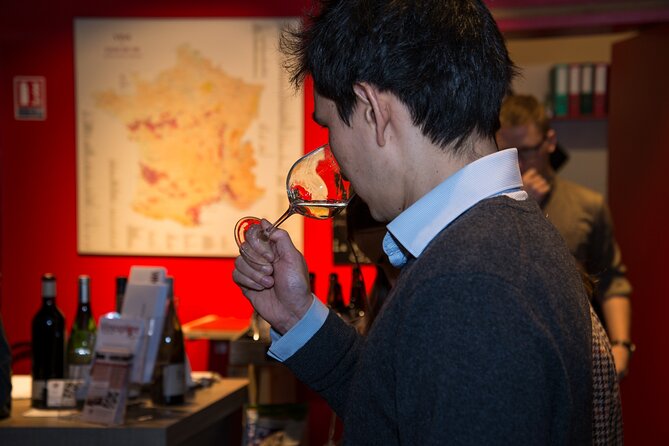
The tasting focuses on regional variety. You sample three French wines and learn about each wine’s origin, production area, and general style. The supplied details do not promise particular regions or bottles, so you should not book expecting a specific Burgundy, Bordeaux, Champagne, or Loire selection.
That flexibility is useful. Wine shops can choose bottles that fit the day, the season, or the group’s preferences. If the first pour does not suit your taste, the host may adapt later selections. One session was adjusted after the host noticed the group’s reaction to the first wine, which is exactly the kind of benefit a tiny group can offer.
A flight that includes rosé, white, and red gives you three clear reference points. You can compare body, acidity, fruit, texture, and the way each wine works with cheese. You may also find that your favorite style is not the one you expected.
The wines are not presented in isolation. You taste them with food and discuss why a particular combination works. That turns abstract tasting language into something you can actually feel on your palate.
More Wine and Cheese Tastings in Paris
- Paris: Wine and Cheese Lunch
★ 4.9 · 596 reviews - Cheese & Wine Tasting in Montmartre with Local Cheesemonger
★ 5.0 · 470 reviews - French Wine, Champagne And Cheese Tasting Paris SECRET WINE DOOR
★ 5.0 · 464 reviews - Paris Wine Tasting plus Cheese Lunch with an Expert Sommelier
★ 5.0 · 424 reviews
French cheese, bread, and useful pairings
The food is simple: French cheeses with bread. Two or three cheeses are paired with the wine, and the portions are intended to support the tasting rather than replace lunch or dinner.
This is one of the experience’s strongest features. Cheese gives you an immediate way to understand wine. A wine that seems sharp on its own may feel softer with cheese. A fuller wine may work better with a stronger or creamier bite. You do not need to memorize pairing rules to notice these changes.
The cheese selection can also introduce you to French styles without requiring a separate market visit. The tasting details do not name the cheeses in advance, so you should think of the menu as a small seasonal or shop-selected sample rather than a guaranteed list.
Bread is included, and portions have been described as generous enough for the tasting. Still, I would not treat this as a meal. Schedule it between meals, or plan to eat afterward if you expect to be hungry.
Why the six-person limit matters
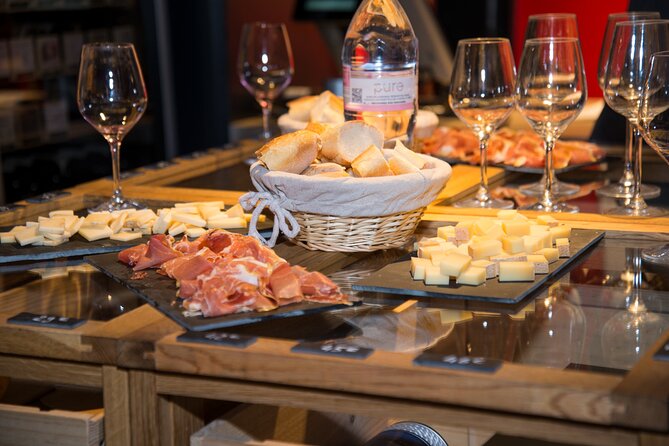
The maximum group size is six. That is a major advantage for this type of activity, because wine questions are often personal and spontaneous. In a large room, you may hesitate to ask why one wine feels too dry or why a certain cheese changes the flavor. At this size, you can speak up.
Some sessions have been even smaller. A couple once received what felt like a private tasting, while another winter weeknight had only two people present. You should not assume a private session, but the small maximum gives you a better chance of receiving individual attention than a standard group tour.
The host can also respond to preferences. If you favor white wine, dislike sweet styles, or want to understand reds, mention that early. The tasting can be shaped around the group’s reactions, though the experience still includes three wines as its basic structure.
The social side is part of the value. You are invited to talk about wine, food, France, and your own home country. If you want silence and a carefully timed lecture, this may not be your ideal format. If you like learning through conversation, the small room is a strong fit.
The wine shop atmosphere
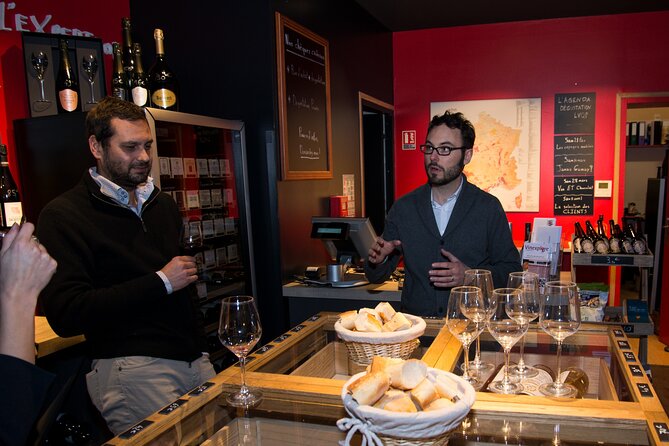
The atmosphere is casual and local. You are not being shown through an ornate estate or a large production facility. Instead, you spend the session in a wine shop where bottles are close at hand and the tasting feels tied to everyday French buying habits.
That setting makes the final bottle recommendation especially useful. After tasting, the host can suggest bottles that suit your preferences. Several people bought a bottle after the session, and one couple returned the next day for three more bottles to try.
You are not required to buy anything. The opportunity is simply there if you find a wine you like and want to take it home. Ask about transport and local rules if you plan to carry bottles during the rest of your trip, since the activity details do not provide packing or shipping help.
The shop’s limited space is the one clear comfort issue. It may feel cozy with a small group, but less comfortable if you expect wide tables or a spacious dining room. That is worth keeping in mind for anyone who dislikes tight interiors.
Is $46.86 a fair price?
At $46.86 per person, this is not the cheapest way to drink wine in Paris. You could buy three bottles and cheese for less, but that would not include a host explaining what you are tasting, comparing regional styles, and adjusting the conversation to your questions.
The value depends on how much you want from the lesson. If you already know French wine well and simply want a drink, the price may feel high for three pours and a little cheese. If you want context, guided tasting practice, and the chance to discover bottles you can buy afterward, the cost is more reasonable.
The small group improves the value. You are paying for access to a host, not just a tray of wine. A six-person limit also makes the session feel closer to a private appointment than a large scheduled tasting, even though a private booking is not promised.
The 90-minute length keeps the commitment manageable. You get a focused introduction without giving up half a day of sightseeing. For a first wine activity in Paris, I think the price is fair if you plan to use the advice later at restaurants or shops.
Who will enjoy this tasting most?
I would recommend it to people who want a friendly first step into French wine. It is particularly suitable if you feel unsure about tasting language, want to understand regional differences, or enjoy pairing food with drinks.
It also works well for couples. The intimate format has been described as romantic, and a tasting in a softly lit shop can make a pleasant break from busy sightseeing. Small groups and a conversational host also suit solo visitors who want a social activity without committing to a full dinner.
People with existing wine experience can still enjoy it, especially if they ask for comparisons and recommendations. The main limitation is that the tasting is short and the wines are not specified ahead of time. Serious wine students may want a longer, more technical class.
The experience is offered in English. Service animals are allowed, and the meeting point is near public transportation. Confirmation is provided at booking. Free cancellation is available up to 24 hours before the 3:30 pm start time, but changes or cancellations inside that window are not refunded.
My take: book it for conversation and discovery
I would book this tasting if I wanted a low-pressure introduction to French wine in central Paris. The tiny group, adaptable host, and cheese pairings give it more personality than a standard drop-in flight.
I would skip it if I wanted a full meal, a guaranteed list of famous regions, or a formal cellar tour. For everyone else, especially couples and curious beginners, it is a practical way to taste several French styles, learn enough to order with more confidence, and leave with a bottle recommendation that fits your palate.
The activity is often booked about 17 days ahead, so I would reserve it early if the 3:30 pm time suits your schedule. The perfect 5 rating from 15 published ratings supports the strong impression given by the experience, but the real reason to choose it is simple: you get wine, cheese, useful instruction, and a chance to talk with someone who enjoys the subject.
FAQ
Where does the wine tasting begin?
It begins at 64 Boulevard Saint-Germain, 75005 Paris, France.
What time does the activity start?
The scheduled start time is 3:30 pm.
How long does the tasting last?
The tasting lasts approximately 1 hour and 30 minutes.
Where does the activity finish?
It finishes back at the meeting point at 64 Boulevard Saint-Germain.
How many wines will I taste?
You will taste three different French wines.
What food is served?
French cheeses are served with bread. The tasting includes two or three different cheeses.
How many people can join?
The maximum group size is six people.
Is the activity offered in English?
Yes. The activity is offered in English, and a mobile ticket is available.
Just added around Paris
- Paris: Wine and Cheese Pairing★ 5.0 · 4 reviews
- French Wine and Cheese Master Class Near the Eiffel Tower★ 5.0 · 6 reviews
- Private wine tour to Sancerre vineyards from Paris with Sommelier★ 5.0 · 11 reviews
- Paris Wine with Cheese Pairing & Tasting Small Group Class★ 5.0 · 6 reviews
- Paris Wine and Cheese Tastings Class near Le Marais★ 5.0 · 4 reviews
- Wine & Cheese in Montmartre: A True Taste of France 6-ppl Max★ 5.0 · 6 reviews
- Paris Wine and Cheese Pairing Private Masterclass in a Bistrot★ 5.0 · 7 reviews
- Paris Marché d’Aligre Walking Tour with Chocolate and Cheese Tasting★ 3.5 · 24 reviews
Paris Cheese Tours, compared.
Montmartre Cheese, Wine & Pastry Guided Walking Tour
Read our review →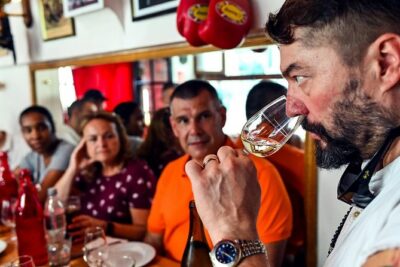
Private Montmartre Food Tour with Wine, Cheese & Pastries
Read our review →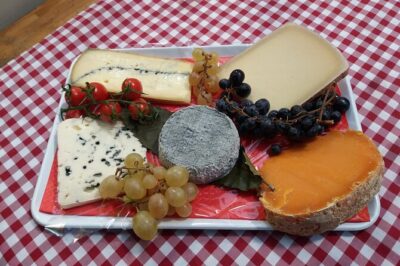
Paris Le Marais Food Tour With 10+ Tastings, Cheese, Wine & More
Read our review →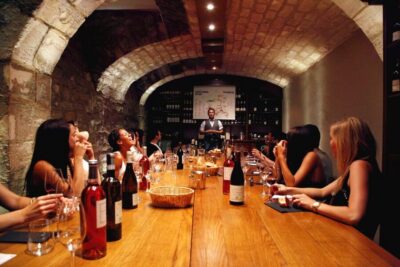
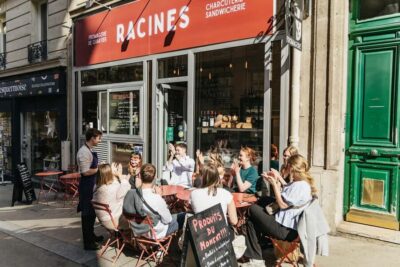
Cheese & Wine Tasting in Montmartre with Local Cheesemonger
Read our review →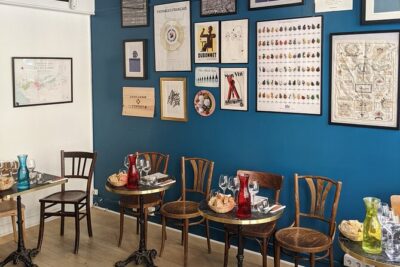
French Wine, Champagne And Cheese Tasting Paris SECRET WINE DOOR
Read our review →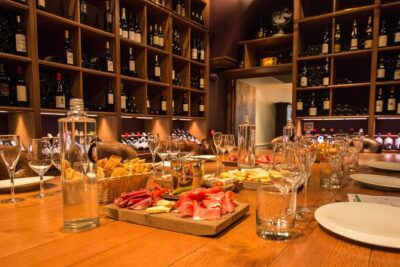
Paris Wine Tasting plus Cheese Lunch with an Expert Sommelier
Read our review →
Paris St Germain Food Tour with Cheeses, Foie Gras, Wines & More
Read our review →Browse the lists this tour appears in