
REVIEW · ITALY
Visit to the dairy
Sardinia’s cheese story is best understood beside the working machinery, not just on a restaurant plate. At Argiolas Formaggi, you follow milk from arrival and testing through recipes, brine tanks, ricotta making, aging, packing, and shipping, then sit down for a tasting of local cheese and wine.
I like the behind-the-scenes production walk and the chance to taste several cheeses at the end rather than buying a mystery wedge. I also like that this is a private activity for your own group, with an English-speaking service and visitor kits to protect your clothes and hair. The main consideration is time: one hour gives you a focused factory visit, not a long farm day, and the dairy sits about 1.5 kilometers from Dolianova’s town center.
Key things to know before you go
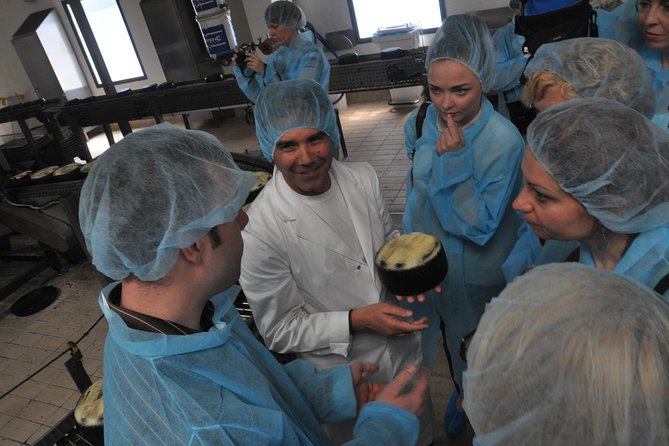
- Watch the whole cheese process: You see milk analysis, recipes, salting, ricotta, aging, packaging, and shipping.
- Taste cheese with Sardinian wine: The visit ends in a tasting room with several famous cheeses and a wine from a Sardinian winery.
- Plan for Dolianova: The dairy is at SP14, 3, outside town, with a large car park and a company shop.
- Expect a private visit: Only your group takes part, which makes questions and pacing easier.
- Budget $38.67 per person: The price includes admission and the guided visit, with group discounts available.
- Book ahead: The activity is often reserved about 88 days ahead, so last-minute plans may be risky.
Why a dairy visit belongs on your Sardinia itinerary
Sardinia is closely tied to sheep and goat farming, and pecorino is one of the island’s signature foods. A dairy visit gives you useful context for the cheese on a market counter or restaurant menu. You see that the finished wheel is not simply milk left to age. It is the result of testing, recipes, salt, time, temperature, and careful handling.
Argiolas Formaggi has produced pecorino and goat cheeses for more than 60 years. The company combines established Sardinian methods with research, new production work, and attention to environmental sustainability. That mix is useful for you as a visitor because the tour does not treat tradition as a museum piece. You see a working business making cheese for today’s market.
The visit is especially good for anyone who likes food with a clear sense of place. You are not only sampling cheese. You are learning how Sardinian milk becomes different styles of pecorino, goat cheese, and ricotta, and how those products are prepared for sale beyond the dairy itself.
A few more cheese tours around Italy worth a look
- Authentic Farm Tour with Pizza, Cheese, Wine & Limoncello Tasting
★ 5.0 · 698 reviews - Sorrento Farm by Tuk Tuk: Cheese, Limoncello & Hands-On Pizza
★ 5.0 · 628 reviews - Tour Parmigiano Reggiano dairy and Parma ham
★ 5.0 · 601 reviews
From milk testing to the first curd
The tour begins at Argiolas Formaggi S.r.l. in Dolianova, a short distance from Cagliari by public transport and walking. Once inside, you receive a visitor kit with the items needed to protect your clothes and hair. That small step signals that you are entering an active production area, not a staged tasting room.
The first part of the tour explains what happens when milk arrives. You see the entrance and analysis stage, where the raw material is checked before production begins. The details matter because cheese quality starts long before salting or aging. If you have ever wondered why two pecorino cheeses can taste so different, this is where the answer begins.
Your guide then explains the different recipes used for pecorino and goat cheese. The exact recipe affects the texture, flavor, and final character of the cheese. This part should appeal to food-minded visitors, since it connects the production line with the differences you will notice during the tasting.
You also hear about milk farming in Sardinia and the wider cheese market. That gives the visit a wider frame without turning it into a lecture on agriculture. You are shown how local production fits into a modern dairy company that still depends on the island’s pastoral traditions.
Brine tanks, ricotta, and the working production line
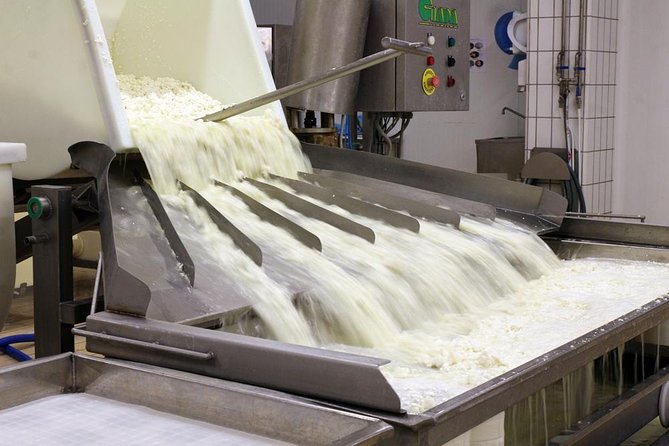
The tour continues through the stages that turn fresh cheese into a product ready for aging or sale. Salting takes place in brine tanks, where the cheese develops more flavor and gains protection for the next stage. Seeing the tanks helps explain why salt is not just added for taste. It is part of the cheese-making process itself.
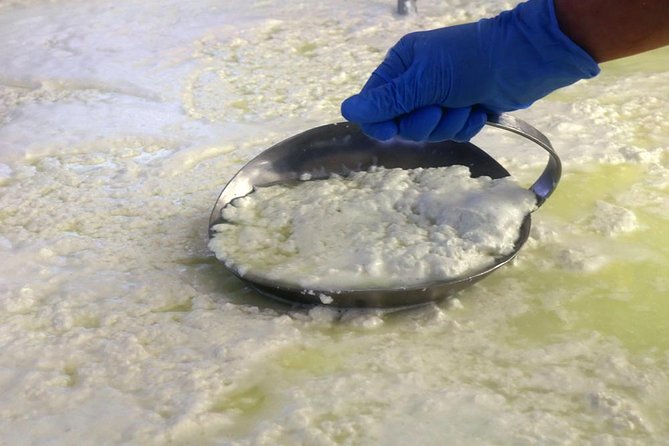
Ricotta is also included. Ricotta has a different character from aged pecorino, and watching it being made gives you a useful contrast between fresh and mature dairy products. The visit does not focus on one single cheese. Instead, you see several products moving through their own paths.
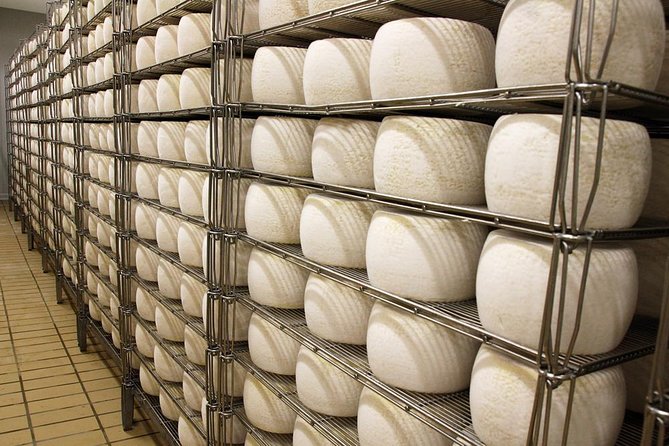
The production line includes seasoning, aging, preparation, packaging, and shipping. Aging is where time begins to do much of the work, changing texture and concentrating flavor. Packaging and shipping remind you that these cheeses are not made only for people who happen to stop at the factory. They are prepared for wider distribution.
One particularly interesting detail is the chance to see cheese marking in progress. It is a small part of the process, but it makes the visit feel close to the real work. You are not only looking at finished rounds behind glass. You may see how the product is identified and handled before it reaches a shop or table.
The tour is guided, and the staff explain the stages in English. No individual guide names are provided, but the emphasis is on direct explanation and questions as you move through the dairy. Since the activity is private, your group does not have to fit into a large shared tour. That is a real advantage if you want to stop and ask about a particular cheese or production step.
The tasting room is the payoff
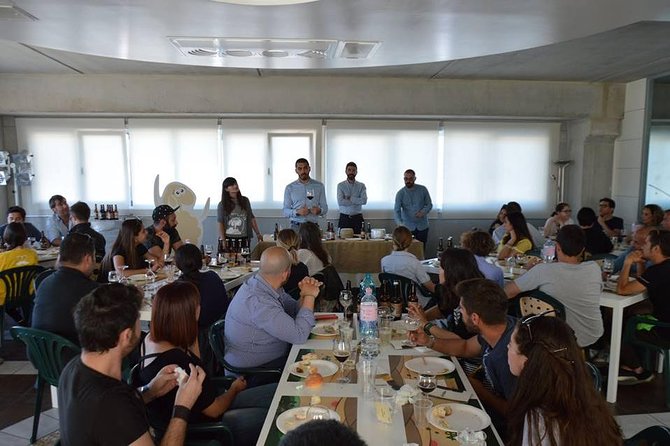
After the factory walk, you move to the tasting room. Here, specialized staff guide you through some of the company’s best-known cheeses, accompanied by wine from one of Sardinia’s wineries. The tasting is not an afterthought. It helps you connect the production stages you have just seen with the flavors and textures in front of you.
Several cheeses are served, and one account describes a tasting of four types with white wine. The exact selection may vary, so you should not assume a fixed menu. Still, the format gives you a better introduction to Sardinian dairy than sampling a single cheese at a shop counter.
Pay attention to contrasts. A younger cheese may taste softer and milder, while an aged pecorino can be firmer and more assertive. Goat cheese brings another profile. Ricotta offers a fresh counterpoint. The point is not to memorize technical terms. It is to notice how milk, recipe, salt, and time shape the food.
The wine pairing also matters. Sardinian wine helps make the tasting feel like a small regional food lesson rather than a factory sample. You get a chance to see how cheese is served in its local setting, with the drink chosen to sit beside it.
If you do not drink wine, the supplied information does not specify an alternative. You can ask the staff when booking or on arrival. The tasting is one of the most appealing parts of the visit, so it is worth making sure the format suits you.
Same region, a different board:
- Parma: Parmigiano Production and Parma Ham Tour & Tasting
★ 4.9 · 554 reviews - Cooking class with Pasta, mozzarella and Tiramisu with wine
★ 5.0 · 549 reviews - Sorrento: Farm Tour with Cheese Tasting & Pizza Making Class
★ 5.0 · 503 reviews - Amalfi: Make Fresh Pasta, Mozzarella & Tiramisù with wine
★ 5.0 · 503 reviews
The company shop and what to take home
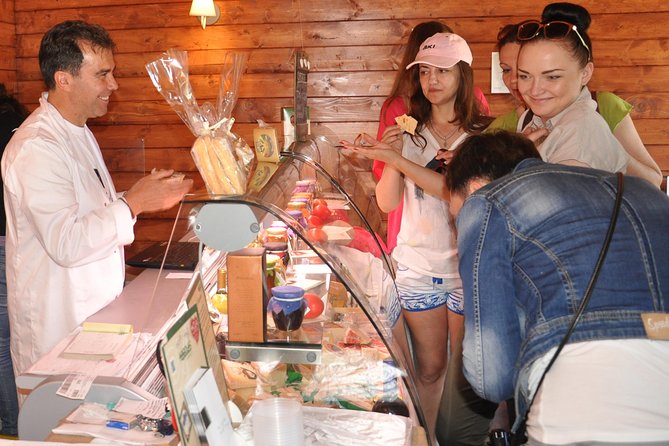
The company shop sells the cheeses made at the dairy, along with other local products. You can also find wine, olive oil, honey, and jams. This makes the stop useful if you want to build a small Sardinian food basket rather than buy only the cheese served during the tasting.
Prices for the cheese purchased at the shop have been described as reasonable, but the supplied information does not provide a current price list. Ask about packing and transport if you plan to carry cheese for the rest of your trip. The best choice will depend on how long you remain in Sardinia and whether you can keep the product cool.
The shop also lets you buy a cheese you have just learned about. That is a better way to shop than guessing from labels, since you can ask which cheese resembles the one you preferred during the tasting. The same applies to the honey, oil, wine, and jams. You can ask staff which items pair well with the cheeses.
Is $38.67 good value for one hour?
At $38.67 per person, this is not a cheap tasting alone. The price includes admission and a guided visit through a working dairy, plus the tasting. For a food-focused visitor, that makes the cost easier to justify than a simple cheese-and-wine sample with no production access.
The value depends on what you want from Dolianova. If you are mainly looking for a quick snack, the company shop will cost less. If you want to understand how Sardinian pecorino and goat cheese are made, the tour gives you a structured hour and access to areas you would not see as a casual shopper.
The private format also affects the value. Your group participates alone, rather than joining a large mixed crowd. That can make the visit feel more personal and lets you ask questions without waiting for a whole room to move along. Group discounts may improve the price for larger parties, so check the rate before booking.
The short duration is both a strength and a limit. One hour fits neatly into a day trip and leaves time for Dolianova, lunch, or another stop. On the other hand, you should not expect an extended farm visit, a full meal, or a long workshop where you make cheese yourself. This is a compact guided look at commercial production, followed by a tasting.
Reaching Argiolas Formaggi from Cagliari
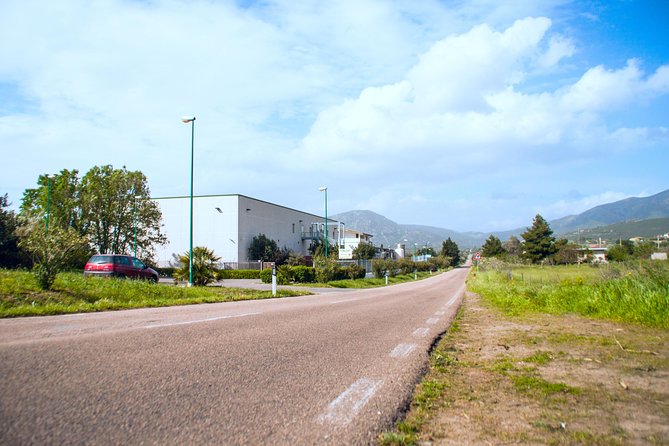
The meeting point is Argiolas Formaggi S.r.l., SP14, 3, 09041 Dolianova. If you drive, the company has a large car park, which removes one common worry for a rural food stop.
Public transport takes more planning. One practical route used for the visit was bus 9118 from Cagliari to Dolianova, followed by a walk of about 1.5 kilometers to the dairy. The return involved a train and bus. Transport schedules can change, so check the current connection before you set your tour time.
The walk from town may be easy for many people, but it is still a factor when you are carrying shopping or dealing with heat. If you plan to buy cheese, wine, oil, or jars of local products, a car or a suitable bag will make the return simpler.
The tour ends back at the meeting point. That makes it easy to leave your car in the same place or continue from the dairy after browsing the shop. It also means you should not expect a drop-off in Dolianova or Cagliari.
An afternoon visit can be quiet, especially when factory activity is lower. That may mean fewer production movements to watch, but it can also give you more space to look and listen. If your main goal is to see the dairy at a busy working pace, ask what time of day is most active when you book.
Who will enjoy this visit most?
I would choose this for cheese lovers, food-focused visitors, and anyone spending time around Cagliari who wants a local activity beyond the city center. It also works well for couples, families, and small private groups because only your party takes part.
You do not need specialist food knowledge. The guide explains the process from the start, and the tasting gives you an easy way to understand the differences. The visit is also suitable for most people, and service animals are allowed.
This is less suitable if you want a long countryside excursion, a farm animal encounter, or a full cooking class. The information provided focuses on the dairy, the production rooms, the tasting, and the shop. You should book it for the cheese-making story, not for a broad tour of Sardinian rural life.
English is offered, which helps if you do not speak Italian. The tour is about an hour, so you can pair it with a visit to Dolianova or another nearby stop rather than giving it a full day.
Booking, timing, and cancellation
The activity is often booked about 88 days in advance. That is a useful warning if your Sardinia dates are fixed. A private English visit at a specific dairy may have limited time slots, so booking early is sensible, especially in the high season.
Confirmation is provided at booking. Group discounts are available, and the ticket can be used on a mobile device. The activity requires a minimum number of participants, and if that minimum is not met, you are offered another date or experience, or a full refund.
Free cancellation is available up to 24 hours before the local start time. Cancel later than that and the payment is not refunded. Changes made within 24 hours are not accepted, so check your transport plans before the cutoff.
Should you book Argiolas Formaggi?
I would book it if you want to see how Sardinian pecorino and goat cheese move from milk to finished product, then taste the result with local wine. The strongest parts are the clear production sequence, the private group format, the tasting of several cheeses, and the chance to shop for local food at the source.
I would skip it if your schedule is too tight for the trip to Dolianova or if you are looking only for a quick tasting. For everyone else, the $38.67 price is fair when you count the guided factory access, English service, and tasting. Book ahead, especially if you want a particular date, and leave room for the shop and the journey back into town.
FAQ
Where does the dairy tour begin and end?
It begins and ends at Argiolas Formaggi S.r.l., SP14, 3, 09041 Dolianova CA, Italy.
How long does the experience last?
The guided visit lasts approximately one hour.
What language is the tour offered in?
The tour is offered in English.
What is included in the visit?
Admission to the dairy visit is included. The experience covers the production areas and includes a guided cheese tasting with Sardinian wine.
Is the tour private?
Yes. Only your group participates in the activity.
Can I buy food after the tour?
Yes. The company shop sells cheeses along with local products such as wine, olive oil, honey, and jams.
Is parking available?
Yes. Argiolas Formaggi has a large car park.
What is the cancellation policy?
You can cancel up to 24 hours before the local start time for a full refund. Cancellations or changes made less than 24 hours before the start are not accepted for a refund.
Just added around Italy
- Wine Tasting with Cured Meats & Cheeses in Florence★ 5.0 · 2 reviews
- Tuscany: Ripalte Design Winery Wine and Cheese Tasting Tour★ 4.7 · 15 reviews
- Vico Equense: Tour in the dairy “Mozzarella Experience”★ 5.0 · 19 reviews
- From Parma/Cinque Terre: Truffle & Parmesan Picnic (Tasting)★ 5.0 · 2 reviews
- Turin: Gastronomy tasting through oil, wine and cheese★ 5.0 · 2 reviews
- The Valpolicella food & wine driving tour: cheese factory+ winery★ 5.0 · 6 reviews
- Prosecco Hills Wine and Cheese Gourmet Discovery★ 5.0 · 6 reviews
- Premium Cheeses and Gins Tour in the Prosecco hills. Full lunch!★ 5.0 · 3 reviews
Italy Cheese Tours, compared.
Authentic Farm Tour with Pizza, Cheese, Wine & Limoncello Tasting
Read our review →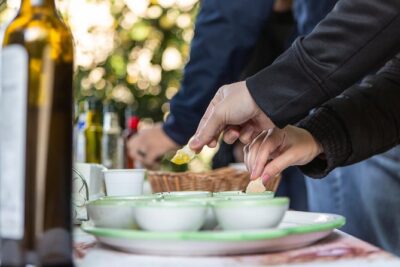
Sorrento Farm by Tuk Tuk: Cheese, Limoncello & Hands-On Pizza
Read our review →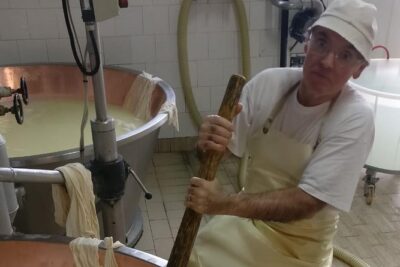
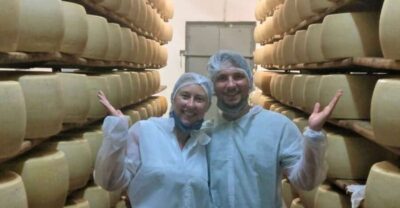
Parmigiano Production and Parma Ham Tour & Tasting
Read our review →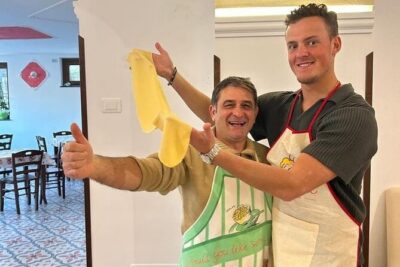
Cooking class with Pasta, mozzarella and Tiramisu with wine
Read our review →
Make Fresh Pasta, Mozzarella & Tiramisù with wine
Read our review →
Make Fresh Pasta, Mozzarella, & Tiramisù with Wine
Read our review →Browse the lists this tour appears in