
REVIEW · FLORENCE
Florence: The secret of wine, cheese and olive oil at a farm
At Fattoria Palaia, wine tasting feels less like a formal lesson and more like a long country meal with a view. You’ll leave Florence by car, pass cypress trees, vineyards, and olive groves, then settle in at a farmhouse for 10 organic Tuscan wines and 10 Italian cheeses. I like the generous tasting lineup, and I like that the food, olive oil, balsamic vinegar, cellar, and cheese room all connect the tasting to daily farm life.
The small group, limited to eight people, gives the sommelier room to explain what is in your glass instead of rushing through a script. The main caution is timing: one guest reported waiting for late arrivals and returning two hours behind schedule, so I would avoid booking theater, a train, or another fixed evening plan afterward.
Key points to know before booking
- Ten wines from across Tuscany: The tasting gives you a broad look at Tuscan wine rather than a single bottle or estate.
- Ten Italian cheeses: Expect varieties such as pecorino and provola, with the cheese paired naturally with the wine and meal.
- A farmhouse outside Florence: The trip includes cypress-lined roads, vineyards, olive groves, and views across the valley.
- A real meal, not just snacks: Lunch includes pasta, extra virgin olive oil, and balsamic vinegar, with vegetarian needs accepted if reported ahead of time.
- A small English-speaking group: The maximum of eight participants makes questions and conversation easier.
- A practical timing warning: The advertised duration is five hours, but delays can happen if the group is waiting for missing participants.
Leaving Florence for the Tuscan countryside
The meeting point is Florence’s main train station, where an English-speaking guide picks you up by car. That arrangement is useful if you are staying in central Florence and do not want to work out a rural bus connection or rent a car for one afternoon.
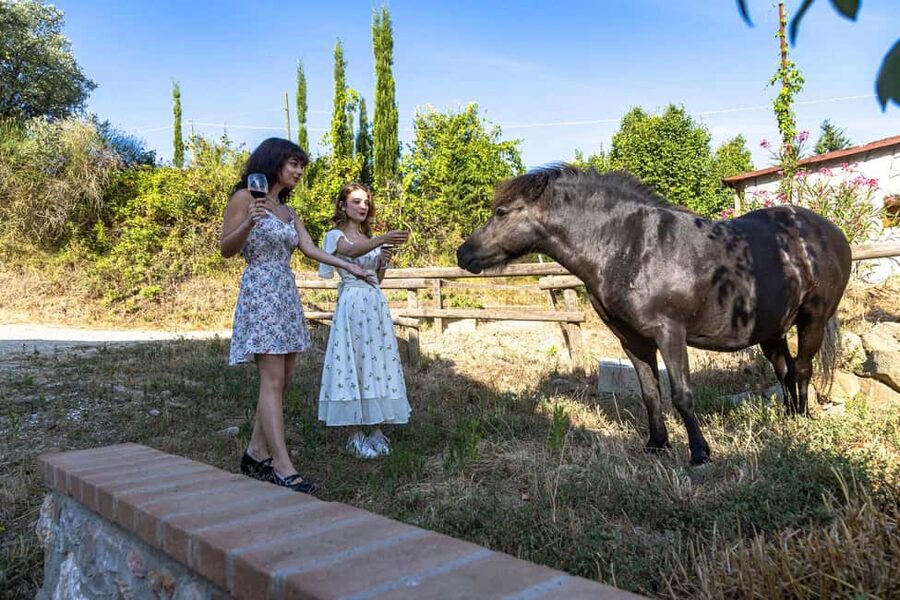
The drive is part of the experience. As the city gives way to the Tuscan countryside, you can expect views of cypress trees, vineyards, and olive groves. The route is not presented as a separate sightseeing tour, but it gives you a quick sense of why food and wine are so central here. Vineyards produce the wine, olive groves supply the oil, and the farmhouse meal brings those products together.
You may stop along the way to admire the vines and the views before continuing to the farm. The exact pace can depend on the group and the starting time, so I would think of these pauses as welcome rural stops rather than a tightly planned photo itinerary.
The pickup and return by car are especially helpful for anyone who wants a taste of the countryside without committing to a full day away from Florence. At the same time, the car ride means you are dependent on the group schedule. If someone arrives late or fails to appear, everyone waits together.
More Wine and Cheese Tastings in Italy
- Florence Food Tour of 10+ Authentic Tastings with Cheeses & Wines
★ 5.0 · 155 reviews - Florence: Mozzarella Making Workshop with Wine Tasting
★ 4.9 · 54 reviews - Exclusive Emilia-Romagna,Parmigiano, Prosciutto, Balsamic, Wine
★ 5.0 · 38 reviews
Arriving at Fattoria Palaia
Fattoria Palaia is set on a hill overlooking vineyards and olive gardens. That setting gives the meal a strong sense of place. You are not simply tasting products in a city shop. You are looking out over the same sort of countryside that supplies the food and wine on the table.
The farmhouse has a relaxed feel, with the option to dine outside. One past visit included a sunset over the valley, though you should not assume sunset on every departure. It depends on the season and the time you book.
The setting is one of the strongest reasons to choose this outing. If you have spent several days among Florence’s churches, museums, and crowded streets, a quiet farmhouse can reset the pace. You can sit, eat, ask questions, and take in the view without trying to fit another major sight into the afternoon.
The tradeoff is that the experience is about atmosphere and tasting, not a long list of historic monuments. If you want formal art history or a detailed tour of medieval Tuscany, this is not the right choice. If you want to understand the region through its food and countryside, it fits well.
Tasting ten Tuscan wines with a sommelier
The central activity is a tasting of ten organic wines from different parts of Tuscany. That number is substantial. You are not being handed one glass and told only that it is local. The range lets you compare aromas, flavors, and styles across the region.
A sommelier guides the tasting in English and explains how to notice differences between the wines. This is useful even if you know very little about wine. One past participant arrived with limited wine experience and left with a better grasp of how to tell the wines apart. That is the right expectation: you will learn practical tasting basics, not take a professional certification course.
I like the way the tasting is tied to the meal. Wine makes more sense beside bread, pasta, cheese, olive oil, and balsamic vinegar than it does as an isolated exercise. You can taste a wine on its own, then see how food changes it.
Ten wines can also be a lot, especially when paired with ten cheeses and a full meal. Pace yourself. Taste slowly, use the information from the sommelier, and do not feel obliged to finish every pour. The experience includes transportation, but responsible drinking still matters, and the long list of samples can sneak up on you.
The word organic is part of the experience description, but the available information does not provide farming details for each wine. You can ask the sommelier about production methods, vineyards, and the differences among the bottles during the tasting.
Ten cheeses from across Italy
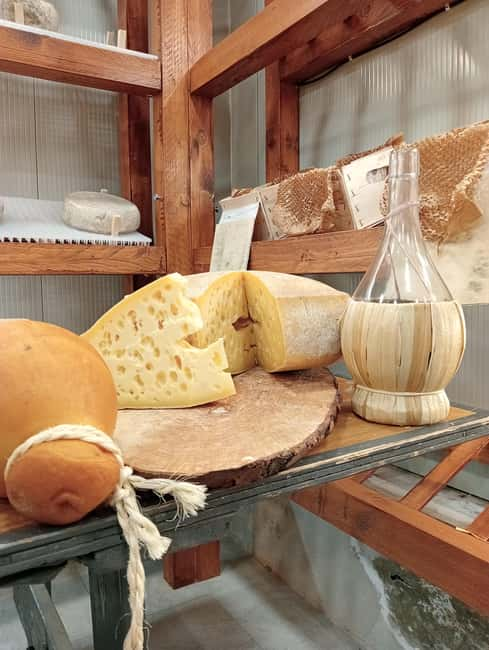
The cheese selection broadens the experience beyond Tuscany. You will taste ten Italian cheeses, including examples such as pecorino and provola. Pecorino is especially relevant to the region, since sheep’s milk cheese is closely linked with central Italian food traditions. Provola gives you a different style and texture to compare.
The cheese room is included in the visit, so you are not only eating a prepared plate. You get a look at the place associated with the farm’s cheese production. The available information does not promise a full cheesemaking demonstration, so I would expect a tour and explanation rather than a hands-on workshop.
The large number of cheeses works well for curious eaters. You can compare mild and stronger flavors, firm and softer textures, and the way each cheese changes when paired with a different wine. It also gives you ideas for food shopping later in your trip.
If you do not eat dairy, this is obviously a poor match. If you are vegetarian, the meal can accommodate you when you provide that information in advance. Other dietary requirements should also be reported before the outing. The food details are clear enough to show that vegetarians have options, but they do not specify a separate vegan menu or list every possible allergen.
More Wine and Cheese Tastings in Florence:
- Florence: Mozzarella Cheese Making with Wine and food Tastings
★ 5.0 · 37 reviews - Wine & cheese Lover’s Paradise in hart of Florence
★ 5.0 · 21 reviews - Emila-Romagna: Parmigiano, Prosciutto, Wine & Balsamic Tour
★ 4.9 · 18 reviews - Tuscany Private Tour with Wine and Cheese Tasting from Florence
★ 4.5 · 17 reviews
Inside the wine cellar and cheese room
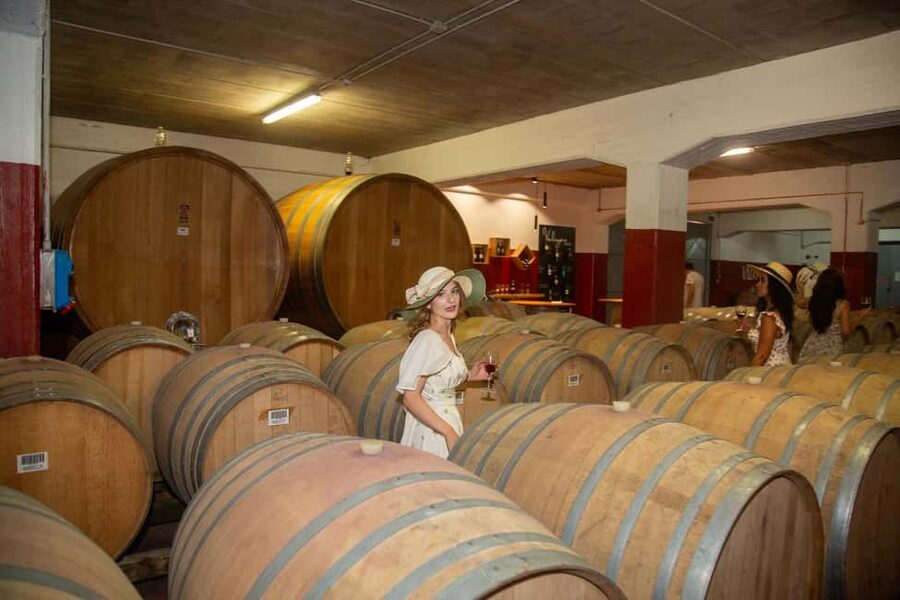
The cellar and cheese room add useful context to what could otherwise be a long tasting session. Seeing these spaces helps you understand how the products move from farm or vineyard to table.
The cellar visit is not described as a technical production tour with a detailed schedule. I would expect the sommelier or farm staff to explain the wines in a direct, accessible way. Ask questions if you want more detail about storage, aging, or the differences between the bottles.
The same applies to the cheese room. The visit gives you a better connection to the cheeses you are tasting, but you should not book this expecting a full working course in cheese production.
That balance suits the five-hour format. There is enough structure to keep the day interesting, but the farm setting allows time to eat and talk. The outing is at its best when you treat it as a leisurely food experience rather than trying to extract a formal lesson from every stop.
The farmhouse meal with olive oil and balsamic vinegar
The meal includes pasta, extra virgin olive oil, and balsamic vinegar, along with the wine and cheese. Fresh ingredients are central to the description, and the meal is designed in the traditional Tuscan style.
This is important because the food is not an afterthought. You get to taste the oil and vinegar in a proper meal, not only from a spoon or tiny sampling cup. Pasta also gives you something substantial after the wine and cheese tastings.
The setting can make the meal especially pleasant. Outdoor dining is available, and the hilltop position looks over vineyards and olive gardens. In the right season and at the right departure time, you may catch the valley in the evening light.
The schedule deserves a close look. The activity is sold as five hours, and the meal is described as lunch. One past outing took place in the evening and included dinner, so the actual meal timing may depend on the selected start time. Check the available departure before booking if you specifically want lunch, dinner, or sunset.
The strongest praise for the food is clear: it was considered wonderful, with good vegetarian choices. Still, no complete menu is provided. If you have allergies, avoid assuming that pasta, cheese, vinegar, or other ingredients can be changed on the spot. Tell the provider about your needs in advance.
Why the group size matters
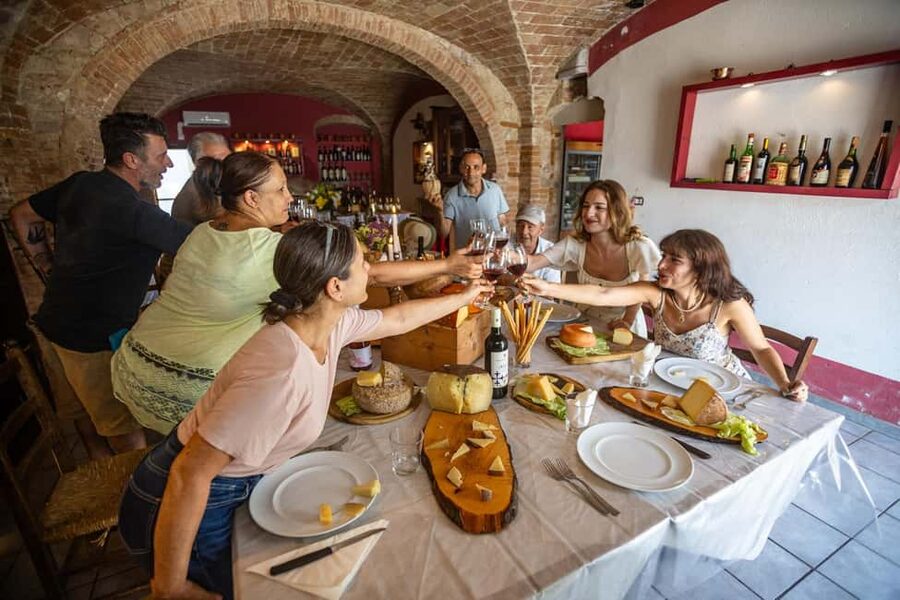
The group is limited to eight participants. That is a useful size for a tasting because you can hear the sommelier and ask questions without speaking over a crowd.
A small group also makes the farmhouse meal more social. You may be sharing a table with people from different countries, but the shared wine and food give everyone an easy subject to discuss. The relaxed format is well suited to couples, friends, and solo visitors who enjoy meeting people during a meal.
There is one practical weakness. A small group does not automatically mean a perfectly punctual group. If one or more people are late, the entire outing can be held up. Since the return is by car, a delay affects everyone’s plans.
I would leave at least a few free hours after the scheduled return. Do not place a must-see reservation, train departure, or evening performance too close to the five-hour end time. This is good advice for any countryside meal, but especially here because the outing has multiple tastings and a full meal.
Is $94 a fair price?
At $94 per person, the price is reasonable if you would otherwise need to arrange separate transportation, a countryside visit, several wine samples, several cheeses, and a meal.
The package includes pickup and return transportation from Florence, ten organic wines, ten Italian cheeses, a cellar and cheese room tour, a traditional meal, olive oil, balsamic vinegar, and a sommelier. You are paying for more than a single tasting flight. You are also paying for the time and effort involved in reaching a rural farmhouse without driving yourself.
The value depends on what you want from a wine outing. If your priority is trying rare labels or visiting several famous wineries, this may feel less specialized. The experience focuses on a broad tasting, food, countryside views, and a relaxed meal.
I see the strongest value for visitors without a car. Renting a vehicle for wine country can cost more once you add fuel, insurance, and the problem of drinking responsibly. Here, the driving is handled for you.
Who should book this farmhouse experience?
I would choose this outing if you want a gentle introduction to Tuscan wine and food. It suits people who enjoy learning by tasting rather than sitting through a long lecture.
It is also a good fit for anyone who wants to see the countryside without giving up a full day. Five hours is long enough for a proper meal and substantial tasting, but shorter than many rural excursions.
Couples and friends will likely appreciate the outdoor setting and slow pace. Solo visitors can benefit from the small group and shared table. Beginners should feel comfortable because the sommelier explains how to notice differences in the wines.
I would be more cautious if you have a rigid schedule, dislike group transport, or want a highly technical winery tour. The late-arrival problem shows that the timetable can slip, and the available information does not promise detailed production demonstrations.
Should you book it?
Book this experience if you want wine, cheese, a farmhouse meal, and Tuscan views in one half-day outing. The combination is practical and appealing, particularly for visitors based in Florence who do not want to drive.
The best features are the generous ten-wine and ten-cheese tasting, the small English-speaking group, and the setting at Fattoria Palaia. The main concern is time control. Keep your evening open, report dietary needs before you go, and arrive at the Florence meeting point ready for a relaxed countryside visit rather than a tightly timed tour.
FAQ
Where does the experience begin?
Pickup takes place at Florence’s main train station. The guide collects participants by car and returns them to the meeting point in Florence at the end.
How long does the experience last?
The stated duration is five hours. Starting times vary, so you need to check availability for the date you want.
How many wines are included?
The experience includes tastings of 10 organic wines from across Tuscany.
How many cheeses are included?
You will taste 10 cheeses from different parts of Italy. Examples include pecorino and provola.
Is transportation included?
Yes. Transportation to and from Florence is included in the price.
Is lunch included?
Yes. The meal includes traditional Tuscan-style food, pasta, extra virgin olive oil, and balsamic vinegar. The exact meal timing can depend on the selected start time.
Is the tour offered in English?
Yes. The live guide and sommelier provide the experience in English.
Can I report vegetarian or other dietary requirements?
Yes. You should tell the provider about vegetarian needs or other dietary requirements before the experience.
Just added around Florence
- Wine Tasting with Cured Meats & Cheeses in Florence★ 5.0 · 2 reviews
- Wines, Cheeses & Bruschettas Tasting in Chianti (Tour at the Winery included)★ 5.0 · 13 reviews
- Journey through Italian Cheese★ 5.0 · 5 reviews
- Wine & cheese Lover’s Paradise in hart of Florence★ 5.0 · 21 reviews
- Florence Private Food Tour of 10+Tastings with Cheeses & Wines★ 5.0 · 15 reviews
- Tuscany Private Tour with Wine and Cheese Tasting from Florence★ 4.5 · 17 reviews
- Semi Private tasting and Cheese-making Class in Florence★ 5.0 · 8 reviews
- Ferrari Parmesan Cheese Balsamic Vinegar wine & food PRIVATE TOUR from FLORENCE★ 5.0 · 3 reviews
Florence Cheese Tours, compared.
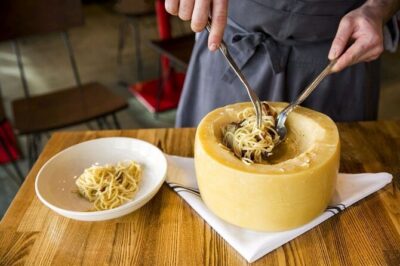
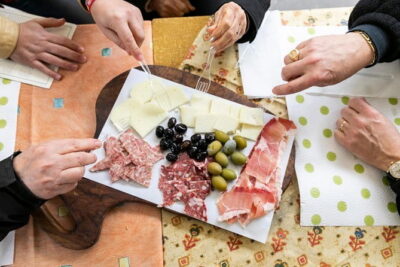
Florence Food Tour of 10+ Authentic Tastings with Cheeses & Wines
Read our review →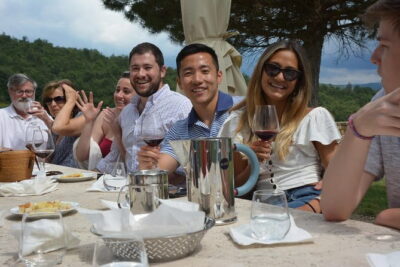
Experience Chianti & Cheese w/ 3 wineries & dairy visit—max 8 pp
Read our review →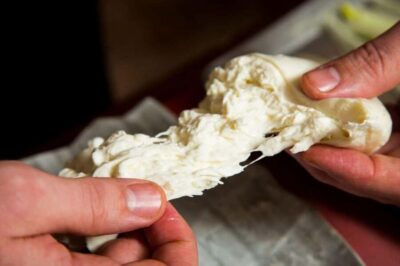
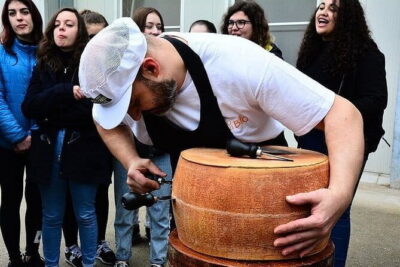
Exclusive Emilia-Romagna,Parmigiano, Prosciutto, Balsamic, Wine
Read our review →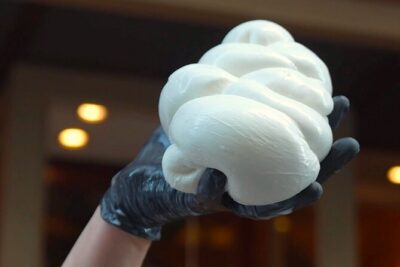
Mozzarella Cheese Making with Wine and food Tastings
Read our review →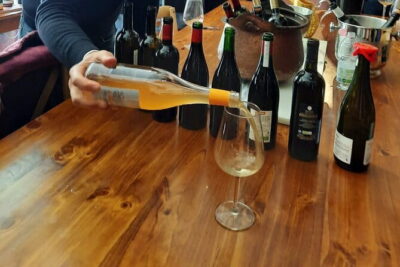
Wine & cheese Lover’s Paradise in hart of Florence
Read our review →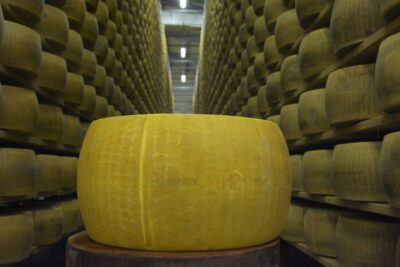
Emila-Romagna: Parmigiano, Prosciutto, Wine & Balsamic Tour
Read our review →Browse the lists this tour appears in