REVIEW · FLORENCE
Florence: Mozzarella Making Workshop with Wine Tasting
Fresh curds become bocconcini, nodini, treccine, burrata, and stracciatella in this lively Florence workshop. You do not just watch a cheesemaker work. You handle the warm curd, shape your own pieces, then eat the results with wine and seasonal food.
I like the hands-on format and the generous meal that follows. I also like the friendly, small-group setting, where guides such as Jess, Alyssa, and Vincenzo can give personal help instead of leaving you to watch from the back of a room. The main drawback is simple: this is not for vegans or anyone with lactose intolerance, and children under eight cannot join.
What makes this cheese class worth two hours
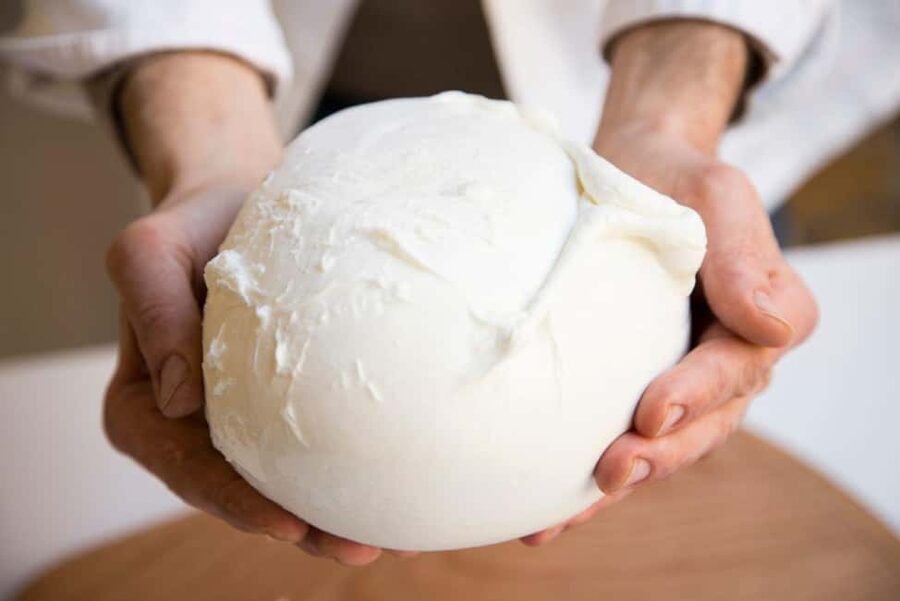
- You make three famous Italian cheeses: mozzarella, burrata, and stracciatella, with several shapes to practice along the way.
- A master casaro leads the class: You learn the basic technique from a professional cheesemaker, with instruction in English or Italian.
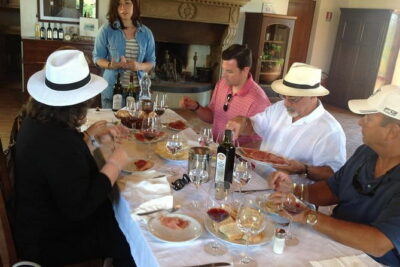
- The meal is part of the experience: Eat your cheese with seasonal dishes, creative toppings, and selected Tuscan wines.
- The wine tasting includes different styles: You may compare organic and conventional wines as you sip through the tasting.
- You leave with more than a full stomach: A recipe booklet gives you a way to try the process at home.
- The setting is casual and social: Music, food, wine, and a little cheese-making mess make this feel more like a shared Italian kitchen than a formal lesson.
Starting with Prosecco at Simbiosi Farm
Your meeting point is in front of Simbiosi Farm in Florence. The exact starting time depends on the date you choose, so check availability before booking and allow enough time to reach the meeting point without rushing.
The class begins with a cold glass of Prosecco. That small welcome sets the tone well. You are not walking into a stern cooking exam with a clipboard and a timer. You are settling in, meeting the instructors, and getting ready to work with food.
The workshop is led in English or Italian, and the professional team has included instructors such as Jess, Jessie, Alyssa, and Vincenzo. Different sessions may have different staff, but the important point is that you are learning from people who work directly with cheese and food. Vincenzo is described as a chef and cheese specialist, while Jess has led guests through both mozzarella and stracciatella preparation.
I would expect the room to feel active rather than polished and silent. Music, conversation, wine, and soft cheese create a setting where a little mess is part of the fun. If you prefer a quiet demonstration with every surface kept spotless, this may feel loose. If you like food classes with a social pulse, that is a strength.
More Cheese Making Workshops in Italy
- Florence: Mozzarella Cheese Making with Wine and food Tastings
★ 5.0 · 37 reviews - Sorrento Half-Day Farm Experience: Pizza, Cheese Making and Wine
★ 5.0 · 17 reviews - Dolianova: visit and workshop in a cheese factory
★ 4.8 · 11 reviews
Turning curd into mozzarella shapes
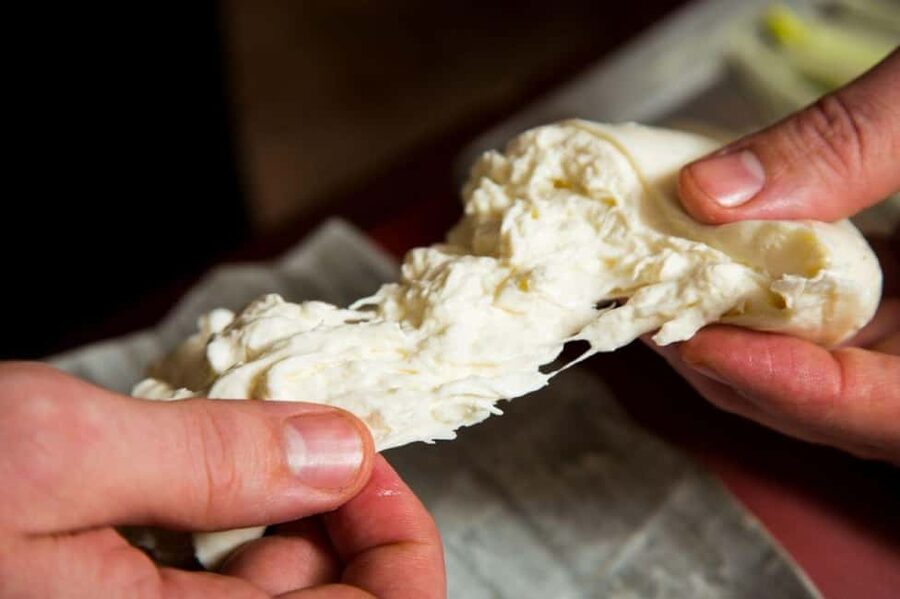
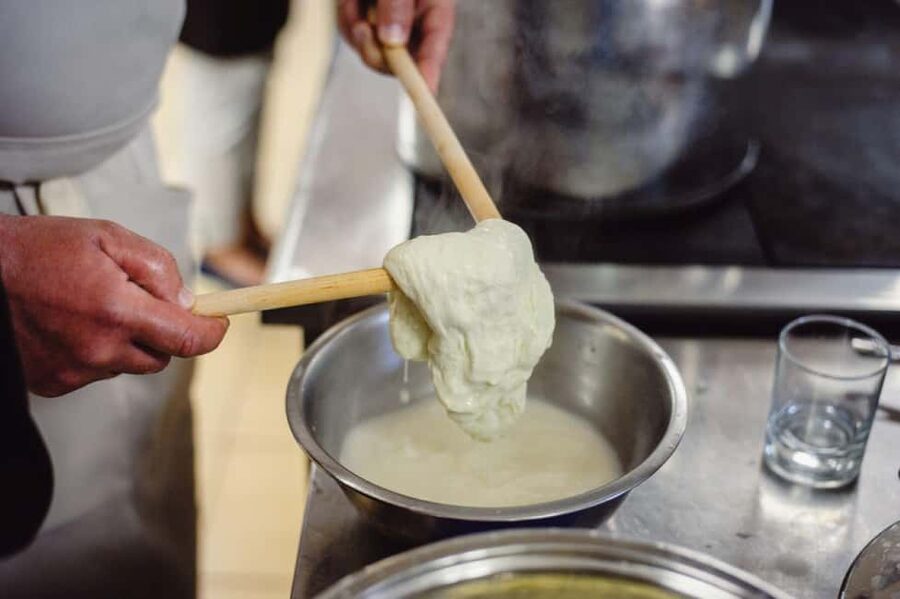
The core lesson is the transformation of fresh curd into stretchy cheese. Your instructor demonstrates the technique, then gives you a chance to try it yourself. The process is practical, so you should be ready to use your hands rather than simply take photographs.
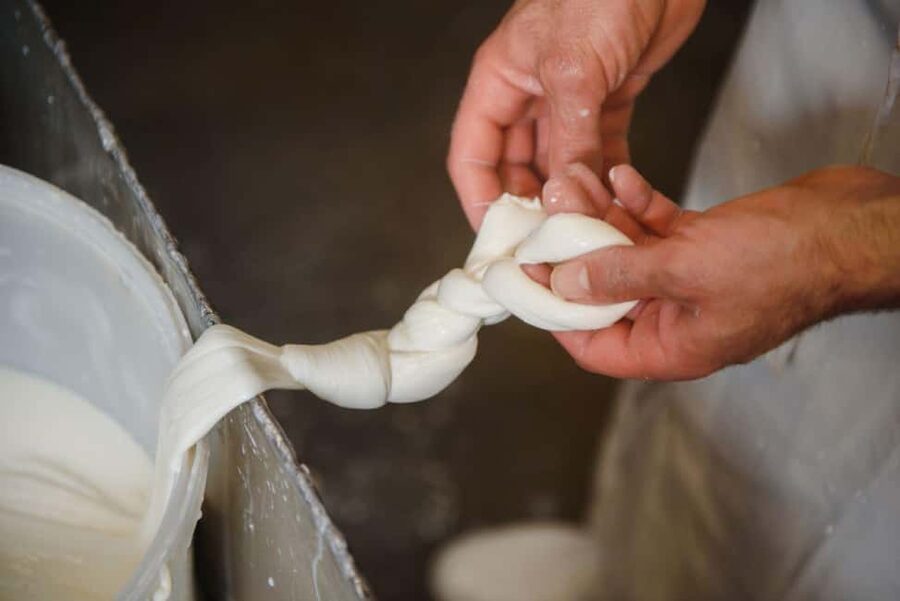
You work toward several classic shapes. Bocconcini are small, round pieces. Nodini are tied into little knots. Treccine are braided. Each shape gives you a different way to practice handling the curd, and each looks good on the plate later.
This is where the class earns its price. A plate of fresh mozzarella in a restaurant is easy to enjoy, but it tells you little about how the texture and shape come together. Here, you see how much care goes into something that can look simple when it arrives at the table.
The exact result will depend on your technique. Your first knot may not look like the chef’s. Your braid may be more rustic than elegant. That is fine. The point is to learn the basic movement, understand the texture, and eat something you shaped yourself.
The instruction appears to be well suited to beginners. The steps are broken down and demonstrated before you try them. Small groups matter here because cheese curd is tactile and timing matters. Personal attention can help you avoid wasting the mixture or pulling it too hard.
Burrata and stracciatella, the richer part of the lesson
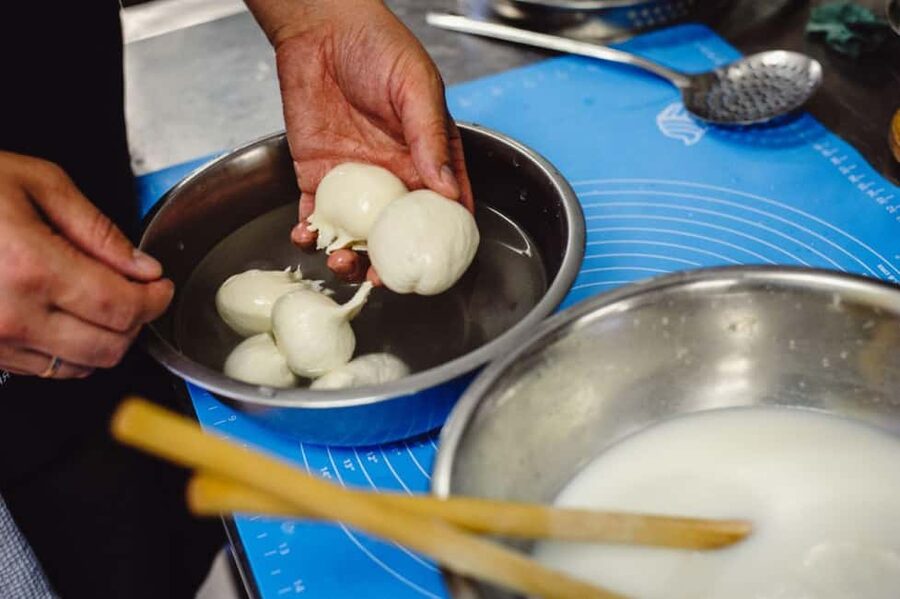
Mozzarella is only the beginning. You also make burrata and stracciatella, two preparations that show how much variety can come from the same basic cheese tradition.
Burrata has a mozzarella shell with a soft filling inside. Stracciatella is the loose, creamy filling associated with burrata, made from torn cheese mixed with cream. The class lets you see and taste both parts instead of treating burrata as a mysterious restaurant specialty.
The stracciatella portion is especially appealing if you enjoy creamy food. One of the suggested pairings combines it with bottarga and lemon zest, giving the mild cheese a salty, bright lift. That pairing also shows why the tasting is more than a pile of plain cheese. The kitchen uses your creations in different ways so you can notice how toppings change the flavor.
You will probably eat more cheese than you expect. One useful tip is to arrive hungry. The workshop includes your handmade cheese, a seasonal dish, other food prepared by the kitchen, and wine. One session included meatballs, fresh caprese, and truffle oil creations, though the exact seasonal dishes can change.
If you are planning a serious dinner soon afterward, give yourself plenty of time between meals. This is not a tiny tasting with one neat bite per person. The food is a major part of the two-hour experience.
A generous tasting with Tuscan wine
The wine portion pairs your fresh cheese with a selection of Tuscan wines. You may taste both organic and conventional bottles, which gives the discussion a useful point of comparison without turning the session into a technical wine course.
You will sip, swirl, and decide what works best with mozzarella, burrata, or stracciatella. The format sounds relaxed rather than rigid. That suits the food, since the goal is to enjoy the pairing and learn how the wines interact with soft, creamy cheese.
The first glass is Prosecco, followed by the wine tasting. Wine is included in the experience, so the $74 price is not just paying for a lesson and a few scraps of cheese. It also covers the welcome drink, tastings, and food served with your creations.
I would still keep expectations sensible. This is not a full winery tour, and the available information does not promise a long technical lecture on Tuscan wine regions. Think of it as a food-focused tasting that uses local wines to make the cheese more interesting.
The alcohol also means you should plan your return sensibly. No transport is included in the information provided, so arrange your own way back after the class.
More Wine and Cheese Tastings in Italy
- Florence Food Tour of 10+ Authentic Tastings with Cheeses & Wines
★ 5.0 · 155 reviews - Exclusive Emilia-Romagna,Parmigiano, Prosciutto, Balsamic, Wine
★ 5.0 · 38 reviews - Wine & cheese Lover’s Paradise in hart of Florence
★ 5.0 · 21 reviews - Emila-Romagna: Parmigiano, Prosciutto, Wine & Balsamic Tour
★ 4.9 · 18 reviews
Why the food matters as much as the lesson
The best part of the experience may be the link between making and eating. You shape the cheese, then see it used in a meal rather than packed away as a souvenir.
Seasonal food is served alongside the cheese, and the kitchen can offer vegetarian and gluten-free choices. That is useful for mixed groups, especially when one person does not eat meat or avoids gluten. You should still explain your needs when booking or on arrival, since the available dishes may depend on the menu that day.
The class is not suitable for vegans because the main activity is dairy cheesemaking. It is also not suitable for people with lactose intolerance. Children under eight are not allowed, although the activity can work well for older children who enjoy practical food projects.
One family session included two young children who enjoyed the class, but the official age limit remains important. Do not assume that a younger child can join simply because the setting is informal.
The kitchen atmosphere is another part of the meal. Several guides and hosts are described as warm, welcoming, and generous with both food and wine. Maria has been part of the hosting team, and Pepe and Francesca have also helped lead sessions. Names and staff can change, but the experience is clearly built around conversation and shared food.
What you take home after the last glass
You eat your creations during the class, but you may also have enough cheese left to take back to your accommodation. That will depend on how much is made and how much the group eats, so treat it as a possible bonus rather than a promise.
The recipe booklet is the more reliable souvenir. It gives you a practical reminder of the process when you return home. Making mozzarella from scratch will still require the right ingredients, equipment, and a little patience, but the booklet turns the class into something you can try again.
I like this better than a generic branded gift. The recipe connects directly to what you did, and it may help you remember the feel of the curd, the shaping technique, and the differences between mozzarella, burrata, and stracciatella.
Do not expect to become a professional casaro in two hours. You will learn the basic method and gain a clearer sense of how fresh cheese is made. Repeating the process at home will take practice.
Is $74 a fair price?
At $74 per person, this is not a low-cost snack stop. It is good value if you want a complete food activity with instruction, drinks, a meal, and a small-group setting.
The price includes a welcome Prosecco, the hands-on workshop, the wine tasting, your cheese creations, seasonal dishes, an English-speaking chef, and the recipe booklet. Put together, that is closer to a lunch and cooking class than a quick tasting.
I would compare it with the cost of a good Florence meal plus a separate class. The benefit here is that the meal is tied to what you made, and the class gives you direct contact with the ingredients. You are paying for participation, not just a plate delivered to the table.
The value is strongest for couples, families with children eight and older, and friends who want a social activity between museum visits. It is less attractive if you do not drink wine, dislike dairy, or prefer a serious culinary course with advanced instruction.
Two hours is also a sensible length. It is long enough to make several cheeses and eat a substantial tasting, but short enough to fit into a Florence day. You will not lose an entire afternoon.
Practical details before you book
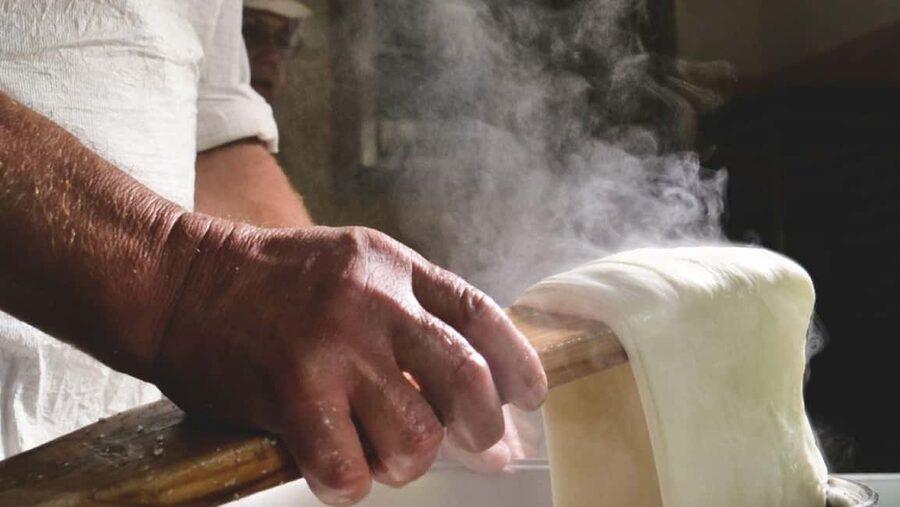
The group is described as small, which should make it easier to see the demonstration and get help with shaping. Small groups also make the social side more natural. You will likely be working alongside other people rather than standing alone at a large station.
The instructors speak English and Italian. If you have a food restriction, mention it clearly. Vegetarian and gluten-free options are available, but vegan and lactose-free visitors should not book this experience.
Pets and smoking are not allowed. Wear something you do not mind using around food, since the workshop involves hands-on cheese shaping and a certain amount of delicious disorder.
The activity offers free cancellation up to 24 hours before the start for a full refund. You can also reserve and pay later, which helps if your Florence schedule is still changing. Check the available start times and meeting details before you commit.
Who will enjoy this most
I would recommend this class to you if you like learning through food rather than simply eating it. It is especially good for people who enjoy a relaxed room, informal conversation, wine, and a meal that keeps arriving.
It suits:
- Couples looking for a shared activity beyond museums and churches
- Families with children aged eight and older
- Friends who want a social Florence afternoon
- Vegetarian diners who want a food-centered experience with flexible dishes
- Cheese lovers curious about how burrata and stracciatella are made
- Visitors who prefer a small group to a large demonstration
I would skip it if you are vegan, lactose intolerant, under eight, or hoping for a quiet, highly technical masterclass. It is also not the right pick if you want a winery visit, since the wine supports the cheese tasting rather than replacing it.
Should you book the mozzarella workshop?
Book it if you want to make something with your own hands, eat a generous meal, and meet Florence through its food culture. The strongest reasons are the three-cheese lesson, the friendly small-group format, and the fact that the wine and seasonal dishes are built around what you prepare.
The main caution is the amount of dairy and alcohol. This is a hearty food experience, not a light tasting. Arrive hungry, keep your evening meal flexible, and make sure everyone in your group can eat cheese.
For $74, you receive a full two-hour activity rather than a quick demonstration. If fresh cheese, Tuscan wine, and an easygoing kitchen atmosphere sound like your kind of Florence memory, this is a strong choice.
FAQ
Where does the mozzarella-making workshop meet?
Meet the chef in front of Simbiosi Farm in Florence.
How long does the experience last?
The workshop lasts two hours.
What cheeses will I make?
You will learn to make mozzarella, burrata, and stracciatella. You may also shape mozzarella into bocconcini, nodini, and treccine.
Is wine included?
Yes. The experience begins with a welcome glass of Prosecco and includes a tasting of selected Tuscan wines, including organic and conventional wines.
Is the activity available in English?
Yes. The instructors speak English and Italian, and a professional English-speaking chef leads the workshop.
Can children join the class?
Children under eight are not allowed to participate. Older children can join, and the hands-on format may suit families.
Is the workshop suitable for vegans or people with lactose intolerance?
No. The activity is not suitable for vegans or people with lactose intolerance. Vegetarian and gluten-free options are available.
More Cheese Making Workshops in Florence
- Paris Cheesemaking Workshop including Wine and Cheese Tasting with an Expert
★ 5.0 · 141 reviews - Dijon: Cheese and Burgundy Wine Tasting Workshop
★ 4.8 · 122 reviews - Fuerteventura: Artisan Goat’s Cheese Making at Local Farm
★ 4.9 · 112 reviews - Troodos Mountains Halloumi Making: All Inclusive Workshop & Tour
★ 5.0 · 109 reviews
More Mozzarella and Buffalo Cheese Tours in Florence
- Cooking class with Pasta, mozzarella and Tiramisu with wine
★ 5.0 · 549 reviews - Amalfi: Make Fresh Pasta, Mozzarella & Tiramisù with wine
★ 5.0 · 503 reviews - Amalfi: Make Fresh Pasta, Mozzarella, & Tiramisù with Wine
★ 5.0 · 305 reviews - Mozzarella Experience – Cheese Tour and tastings to Masseria Fragnite
★ 5.0 · 266 reviews
Just added around Florence
- Wine Tasting with Cured Meats & Cheeses in Florence★ 5.0 · 2 reviews
- Wines, Cheeses & Bruschettas Tasting in Chianti (Tour at the Winery included)★ 5.0 · 13 reviews
- Journey through Italian Cheese★ 5.0 · 5 reviews
- Wine & cheese Lover’s Paradise in hart of Florence★ 5.0 · 21 reviews
- Florence Private Food Tour of 10+Tastings with Cheeses & Wines★ 5.0 · 15 reviews
- Tuscany Private Tour with Wine and Cheese Tasting from Florence★ 4.5 · 17 reviews
- Semi Private tasting and Cheese-making Class in Florence★ 5.0 · 8 reviews
- Ferrari Parmesan Cheese Balsamic Vinegar wine & food PRIVATE TOUR from FLORENCE★ 5.0 · 3 reviews
Florence Cheese Tours, compared.
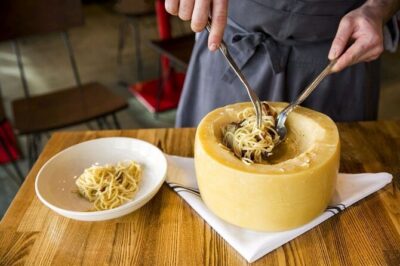
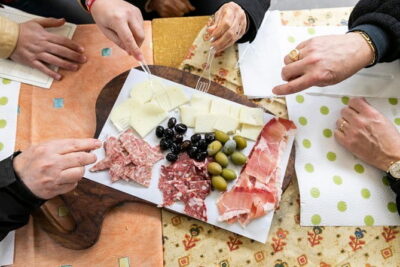
Florence Food Tour of 10+ Authentic Tastings with Cheeses & Wines
Read our review →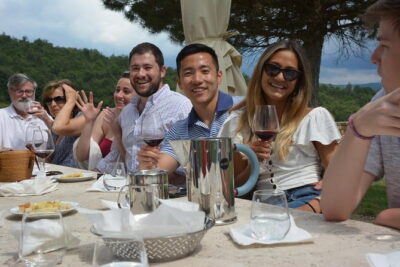
Experience Chianti & Cheese w/ 3 wineries & dairy visit—max 8 pp
Read our review →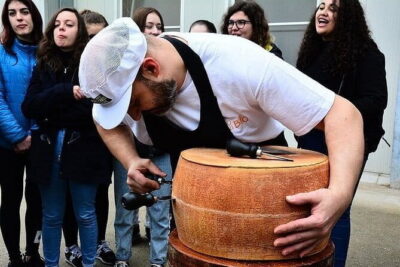
Exclusive Emilia-Romagna,Parmigiano, Prosciutto, Balsamic, Wine
Read our review →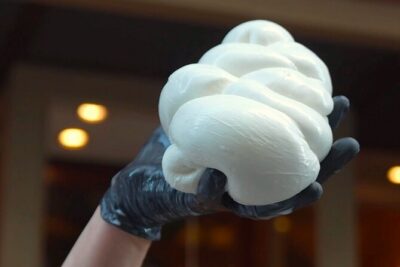
Mozzarella Cheese Making with Wine and food Tastings
Read our review →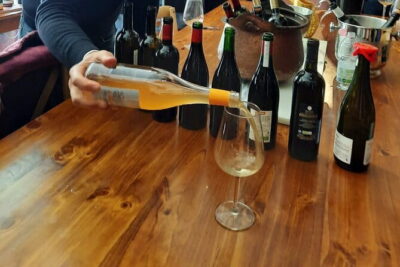
Wine & cheese Lover’s Paradise in hart of Florence
Read our review →
Emila-Romagna: Parmigiano, Prosciutto, Wine & Balsamic Tour
Read our review →