
REVIEW · ITALY
Formigine: Parmigiano tour with full tasting
Parmigiano Reggiano is not simply brought to your table here. You see the copper vats, the first resting room, the brine process, and the wooden shelves where the cheese spends months developing its flavor. If you arrive by 9 a.m., you may also see fresh wheels lifted from the vats.
I like the warm, family-run setting and the clear attention to animal welfare, from feed to health care. I also like that the tasting is a proper local spread, not just a few cheese cubes: three ages of Parmigiano, wine or soft drinks, tigelle, and cold cuts. The main drawback is that this is a farm visit built around dairy and gluten, so it is not suitable for vegans, people with animal allergies, or anyone with gluten intolerance.
Key points to know before booking
- Fresh cheese at the start of the day: Visit by 9 a.m. for the chance to see newly made wheels removed from the vats.
- A full production story: The route follows milk from the cows and barn to curd, brine, aging shelves, and tasting.
- Three ages side by side: Comparing the cheeses shows how time changes texture, aroma, and flavor.
- A real Modena-style snack: Tigelle, cold cuts, wine, and balsamic vinegar make the tasting feel like a small regional meal.
- More than a cheese stop: You can also see handmade pasta, wine, balsamic vinegar, and the sfogline at work.
- Easy booking terms: The 90-minute visit costs $41 per person, with free cancellation up to 24 hours before the start.
Why this small dairy visit works so well
Azienda Agricola Moscattini gives you a useful look at the whole chain of production. You do not begin with a polished gift shop and stop at a tasting counter. You begin at the farm store, hear about the family, then follow the cheese through each major stage.
That family connection matters. Parmigiano Reggiano can feel like a large industrial product when you see it stacked in shops around Italy. Here, the story stays tied to the farm, the animals, the workers, and the food sold under the same roof.
The experience has a 4.8 rating from 58 bookings, and the most consistent praise centers on the guide, the simple hospitality, and the chance to see every step of production. One German-language comment singled out the complete look at Parmesan making and the generous tasting at the end. Italian visitors described the visit as beautiful and highly involving, while a Portuguese-speaking visitor praised the honest, uncomplicated character of the farm.
The tone is important. This is not a grand museum with theatrical displays. It is a working agricultural business. You may find the setting more practical than polished, but that is part of the appeal.
More Parmesan and Balsamic Tours in Italy:
- Tour Parmigiano Reggiano dairy and Parma ham
★ 5.0 · 601 reviews - Parma: Parmigiano Production and Parma Ham Tour & Tasting
★ 4.9 · 554 reviews - Guided group tour TastyBus: Parmesan Cheese and Parma Ham
★ 5.0 · 241 reviews
Starting at the Moscattini farm shop
Your meeting point is the farm store at Azienda Agricola Moscattini. Go inside, tell the staff you have a reservation, and show the confirmation on your phone. You do not need to print anything.
The store is also where the visit begins and ends. The guide introduces the Moscattini family and explains the place of Parmigiano Reggiano in local food traditions. You can also see the farm’s other products, including wine, balsamic vinegar, and fresh handmade pasta.
The shop gives you a useful preview of the final stop. It also gives you time to decide if you want to take products home. Purchases are not included in the $41 price, so treat the shop as an optional extra rather than part of the paid tasting.
I like this start because it avoids rushing straight into technical details. You first understand who makes the food and what else the farm produces. Then the production rooms make more sense.
Copper vats, curd, and the first three days
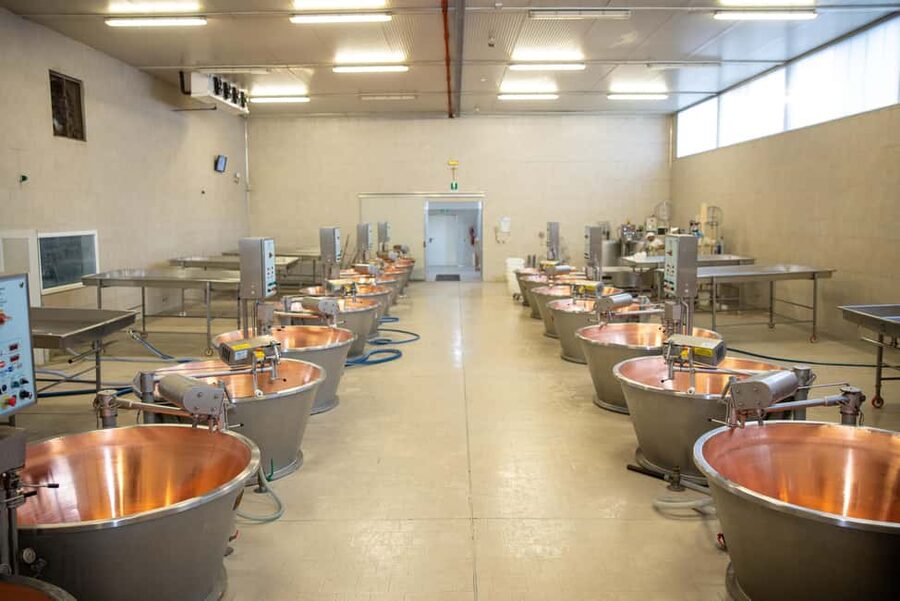
The central part of the visit takes you into the cheese factory. Large copper vats hold the milk as it is transformed into curd. The guide explains how the curd is handled and why each stage needs care.
Copper vats are one of the most recognizable sights in a Parmigiano dairy. They are large, rounded, and shaped like inverted bells. Even without seeing every detail of the recipe, you can understand the scale of the work by looking at the equipment and the amount of attention required for each batch.
Timing matters here. If you arrive before 9 a.m., you may see the newly made wheels removed from the vats. This is the best time for visitors who want to catch an active moment in production rather than only see the finished rooms.
The visit then moves to the room where the new wheels rest for their first three days. After that, they go into brine for weeks. This short early period is easy to overlook, but it helps explain why Parmigiano is a slow food. The cheese is not rushed from milk to market. It passes through several controlled stages before long aging begins.
You will have the chance to ask questions through the live guide, with tours offered in English or Spanish. The supplied information does not name individual guides, so booking does not guarantee a specific person.
The scalere and the long wait for flavor
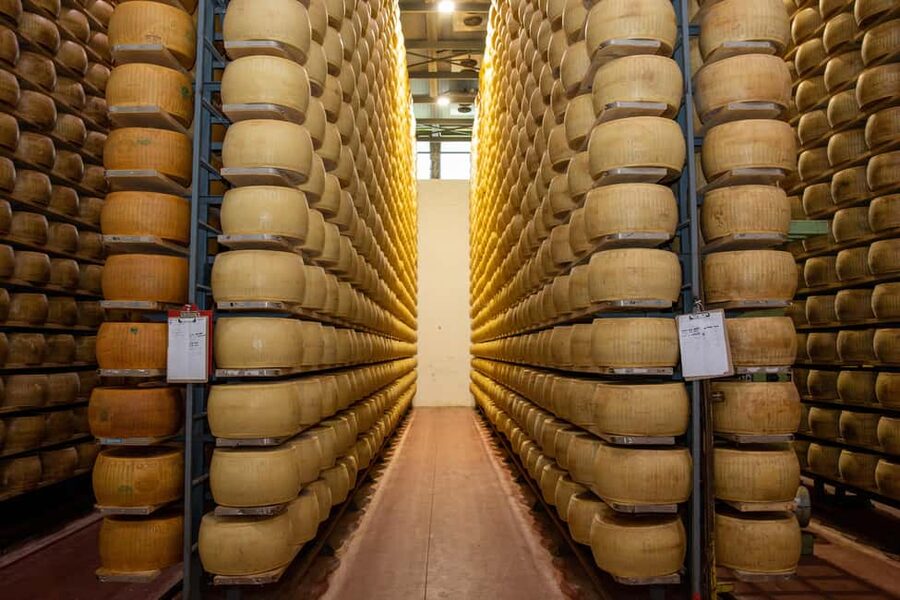
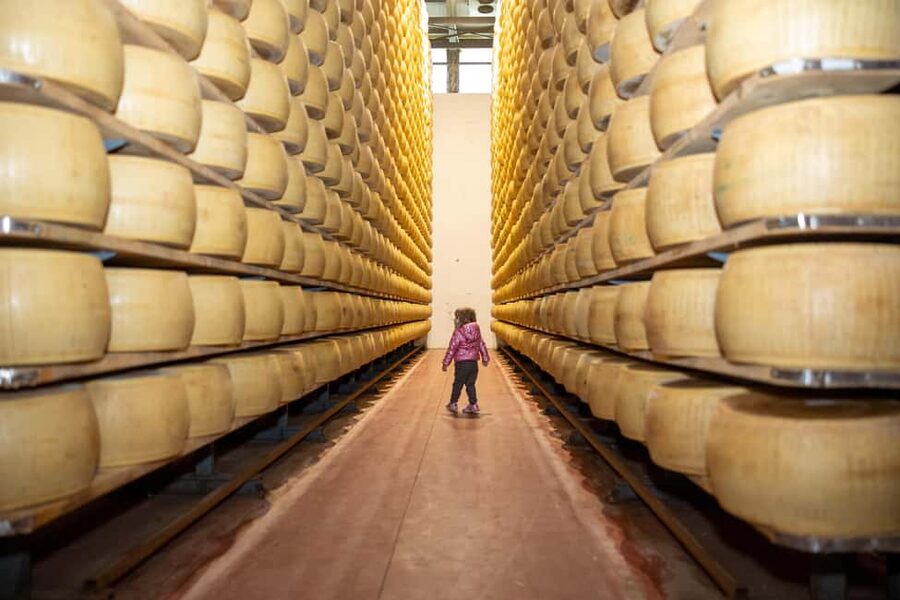
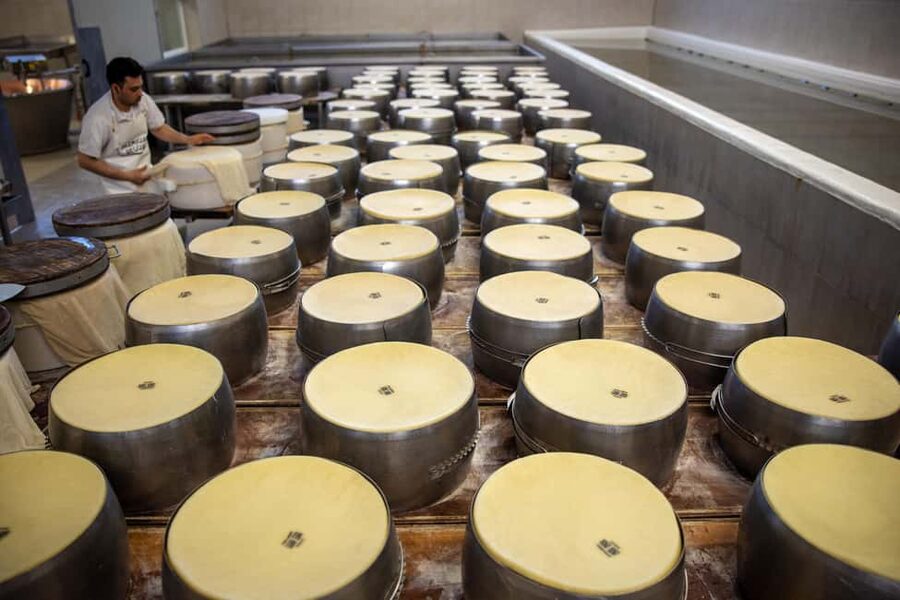
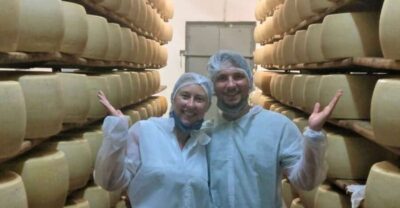
The aging warehouse is the visual heart of the visit. Finished wheels rest on wooden shelves called scalere, lined up as the cheese matures.
This is where you see why age matters. The tasting includes three different ages of Parmigiano Reggiano, and the warehouse helps connect those samples to the time they have spent resting. A younger cheese can be softer and more delicate. An older one may be firmer, more crumbly, and more intense. The exact ages served are not specified, so you should expect a comparison rather than a fixed age chart.
The guide explains how the cheese changes over time and why aging affects taste. This turns the tasting into more than a snack. You can pay attention to texture, saltiness, aroma, and the way the cheese finishes on your palate.
The warehouse also offers a good reminder about value. A wheel that takes months or years to mature cannot be made quickly just because demand is high. Your tasting price helps you understand the time behind the food, not just the food itself.
A few more cheese tours around Italy worth a look
- Authentic Farm Tour with Pizza, Cheese, Wine & Limoncello Tasting
★ 5.0 · 698 reviews - Sorrento Farm by Tuk Tuk: Cheese, Limoncello & Hands-On Pizza
★ 5.0 · 628 reviews - Cooking class with Pasta, mozzarella and Tiramisu with wine
★ 5.0 · 549 reviews - Sorrento: Farm Tour with Cheese Tasting & Pizza Making Class
★ 5.0 · 503 reviews
The barn, cows, calves, and animal care
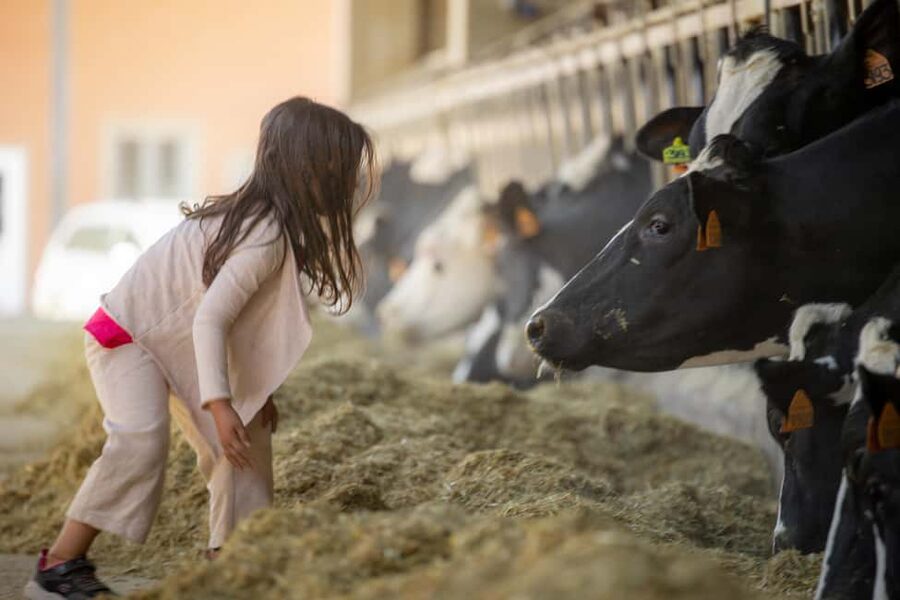
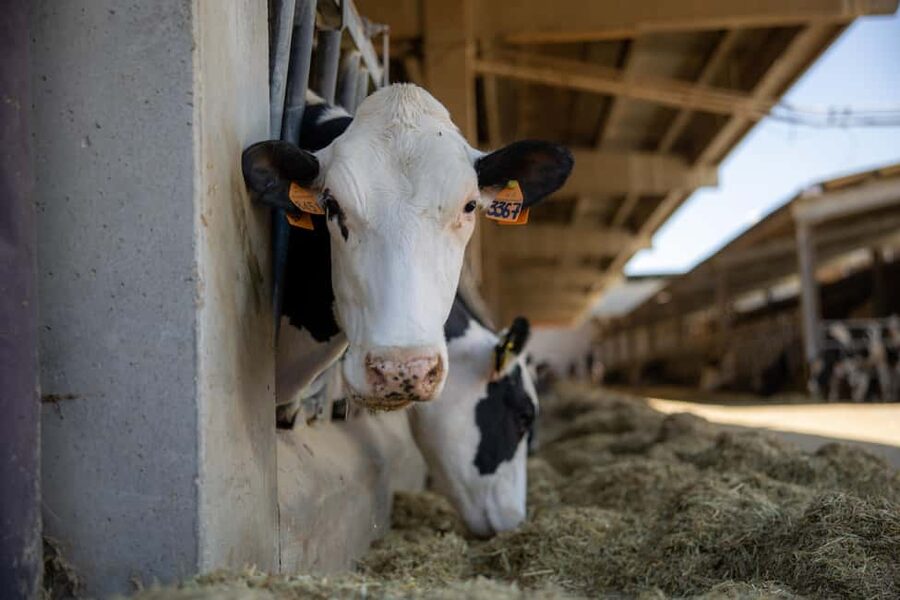
After the cheese factory, you can choose to visit the barn. This is where the production process begins: the cows are milked, fed, and cared for before the milk ever reaches the copper vats.
The farm places specific attention on animal welfare, including nutrition and health. You can see what the cows eat and, when available as part of the visit, newborn calves. For many people, this makes the dairy process more complete and more transparent.
The barn portion may be especially worthwhile if you are curious about how a cheese farm operates beyond the finished product. It also gives families a direct way to connect the food on the table with the animals and daily work behind it.
There is a clear limit here. This is still an animal-based farm visit, not a general food tour. It is unsuitable for anyone with animal allergies, and animals must not be ridden. The rules also prohibit littering, climbing, bare feet, alcohol or drugs, fireworks, explosives, nudity, and similar unsafe behavior.
Seeing the sfogline make fresh pasta
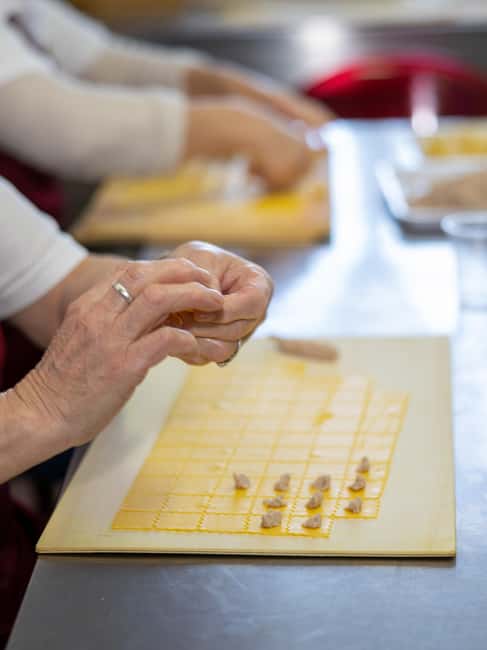
Parmigiano is the main event, but the farm’s wider food culture adds another worthwhile detail. You can see the sfogline making fresh handmade pasta and ask questions about their work.
Sfogline are traditional pasta makers, known for preparing rolled egg pasta by hand. The supplied details do not promise a specific pasta shape or a hands-on lesson, so think of this as an observation and question period rather than a pasta-making class.
That small distinction matters when you compare tours. If you want to make tortellini yourself, this is not advertised as that kind of workshop. If you enjoy watching skilled food preparation and seeing how local products connect, the sfogline add another layer to the farm visit.
The combination of cheese, pasta, wine, and balsamic vinegar gives the stop a distinctly Modena character. You get a broader sense of the region’s food traditions without leaving the farm.
The tasting: three cheeses and a Modena-style table
The tour ends back at the farm store for the full tasting. You receive Parmigiano Reggiano from three different ages, allowing you to compare the effects of time.
The tasting also includes water, wine, tigelle, and cold cuts. Tigelle, also called crescentine, are a typical Modena bread served with regional foods. Their soft, bread-like texture works well with cheese and sliced meats, and they make the tasting feel more like a light meal than a sample plate.
Wine is included, but soft drinks are available for minors or on request. Balsamic vinegar is also part of the farm’s production and may be used as a pairing, adding a sweet and acidic contrast to the salty cheese.
Coffee is not included. In-store purchases are separate too, so budget extra if you want bottles, vinegar, pasta, or cheese to take home.
The portions appear generous enough that the operator can provide a small box if the tasting is too much for you. That is a practical touch, especially if you are visiting before lunch or have already eaten. You do not need to force yourself to finish everything just because it is included.
Is $41 a fair price?
At $41 per person, this is not the cheapest food tasting in Emilia-Romagna. It is also more than a quick cheese sample at a market. The price includes a 90-minute guided visit, access to the production areas, the farm story, the Parmigiano comparison, wine or soft drinks, tigelle, and cold cuts.
I think the price is fair if you value the production visit as much as the food. You are paying for the explanation of the process, the chance to see the vats and aging shelves, and the guided connection between cows, milk, cheese, and table.
The value is weaker if you only want to eat Parmigiano. In that case, a shop or market can give you cheese for less money. But a market will not show you the first three days of a wheel’s life, the brine room, or the scalere where it matures.
The 90-minute length is another advantage. It is long enough to cover the farm, production, aging, and tasting without taking over your whole day. The listed farm segment lasts about 45 minutes, while the complete experience is 90 minutes, leaving time for the tasting and discussion.
Practical details for your visit
The tour starts and ends at Azienda Agricola Moscattini in Formigine, in Emilia-Romagna. Check available start times when booking, especially if you want the early visit connected with fresh wheels coming out of the vats.
English and Spanish tours are offered. Some material may be presented in its original language, so ask the guide questions when you need a point clarified.
The activity is wheelchair accessible. It also offers reserve-now, pay-later booking, and you can cancel up to 24 hours before the start for a full refund. These terms make it easier to fit the visit into a wider Emilia-Romagna food itinerary.
Bring a phone with your reservation confirmation. You do not need a printed ticket. Wear normal practical clothing for a farm and food-production setting, and follow the rules about cleanliness, safety, and staying off equipment.
Who should book this Parmigiano visit?
I would recommend it to cheese lovers, food-focused visitors, families interested in farming, and anyone building a Modena-area itinerary around local products. It works especially well if you want context before tasting, rather than a simple plate of cheese with no explanation.
It is also a good choice for people who like small businesses and direct contact with producers. The farm shop, handmade pasta, wine, balsamic vinegar, barn, and cheese rooms make the experience feel connected to one working food operation.
I would skip it if you are vegan, gluten intolerant, or allergic to animals. The tasting includes dairy, tigelle, and cold cuts, and the visit includes animal areas. I would also choose another activity if you want a cooking class, a long wine tour, or a full-day farm excursion. This is a focused 90-minute introduction to Parmigiano and related Modena foods.
Should you book it?
Book this tour if you want to understand why Parmigiano Reggiano takes so much time and care before it reaches your plate. The strongest reasons are the family-run setting, the complete route from cows to aging shelves, and the generous final tasting with three cheese ages, tigelle, cold cuts, and wine.
For the best chance of seeing fresh wheels removed from the vats, choose a start time before 9 a.m. If that timing does not fit, the aging warehouse and tasting still make the visit worthwhile.
At $41, the experience earns its price through access and explanation, not just food. It is a practical, friendly choice for a half-day food stop near Formigine, with enough substance to teach you something and enough tasting to keep it enjoyable.
FAQ
Where does the Parmigiano tour meet?
The meeting point is the farm store at Azienda Agricola Moscattini. Tell the staff you have a reservation and show your confirmation on your smartphone.
How long does the experience last?
The full experience lasts 90 minutes. The farm portion is listed as approximately 45 minutes, with additional time for the tour and tasting.
What food and drinks are included?
The tasting includes Parmigiano Reggiano from three different ages, water, wine or soft drinks for minors or on request, tigelle, and cold cuts.
Can I see fresh cheese being made?
If you visit by 9 a.m., you may see freshly made wheels removed from the copper vats. The tour also shows the vats, early resting room, brine process, and aging shelves.
Is the tour offered in English?
Yes. Live guides are available in English and Spanish. Some content may be shown in its original language.
Is the activity wheelchair accessible?
Yes, the activity is listed as wheelchair accessible.
Who should not book this experience?
The tour is not suitable for vegans, people with animal allergies, or people with gluten intolerance. Coffee and in-store purchases are not included.
Just added around Italy
- Wine Tasting with Cured Meats & Cheeses in Florence★ 5.0 · 2 reviews
- Tuscany: Ripalte Design Winery Wine and Cheese Tasting Tour★ 4.7 · 15 reviews
- Vico Equense: Tour in the dairy “Mozzarella Experience”★ 5.0 · 19 reviews
- From Parma/Cinque Terre: Truffle & Parmesan Picnic (Tasting)★ 5.0 · 2 reviews
- Turin: Gastronomy tasting through oil, wine and cheese★ 5.0 · 2 reviews
- The Valpolicella food & wine driving tour: cheese factory+ winery★ 5.0 · 6 reviews
- Prosecco Hills Wine and Cheese Gourmet Discovery★ 5.0 · 6 reviews
- Premium Cheeses and Gins Tour in the Prosecco hills. Full lunch!★ 5.0 · 3 reviews
Italy Cheese Tours, compared.
Authentic Farm Tour with Pizza, Cheese, Wine & Limoncello Tasting
Read our review →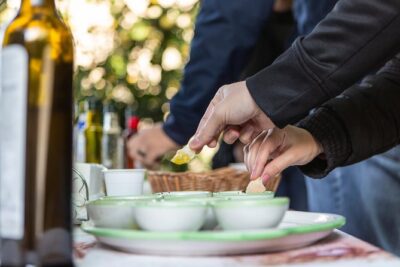
Sorrento Farm by Tuk Tuk: Cheese, Limoncello & Hands-On Pizza
Read our review →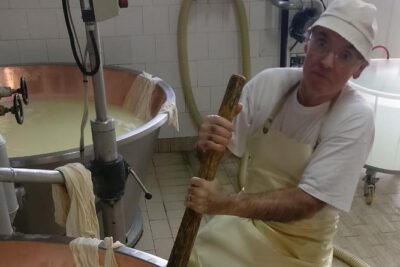
Parmigiano Production and Parma Ham Tour & Tasting
Read our review →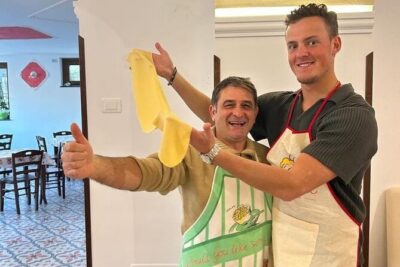
Cooking class with Pasta, mozzarella and Tiramisu with wine
Read our review →
Make Fresh Pasta, Mozzarella & Tiramisù with wine
Read our review →
Make Fresh Pasta, Mozzarella, & Tiramisù with Wine
Read our review →Browse the lists this tour appears in