
REVIEW · MADRID
Gourmet Experience: Tasting of Spanish Cheeses and Wines
The best part of this Madrid tasting is its tight focus: four Spanish cheeses, four wines, and a local guide who explains why each pairing works. You are not simply handed a plate and left to guess. You learn about the regions, production traditions, and food customs behind each bite.
I like the central location near Plaza Mayor, which makes this an easy add-on between major sights. I also like the clear regional range, from Mahón in Menorca to Gamoneu in Asturias, paired with wines from Murcia, Andalusia, Castilla-La Mancha, and Valencia. The main consideration is that this is an adults-only tasting, and the two-hour format may feel brief if you want a full meal rather than a guided sampling.
Key points to know before booking
- Four protected-origin cheeses: Taste cow, goat, sheep, and mixed-milk cheeses from several Spanish regions.
- Four Spanish wines: The lineup includes red, white, and fortified-style wine from Murcia, Andalusia, Castilla-La Mancha, and Valencia.
- Near Plaza Mayor: The tasting takes place in central Madrid, useful for fitting into a sightseeing day.
- Hosts with several language options: Sessions are offered in English, Spanish, Italian, French, and Portuguese.
- A social but focused format: You spend two hours learning, tasting, and comparing flavors rather than touring several locations.
- Adults only: The experience is not suitable for children under 18, pregnant women, vegans, or people with a cold.
A Spanish cheese lesson in the heart of Madrid
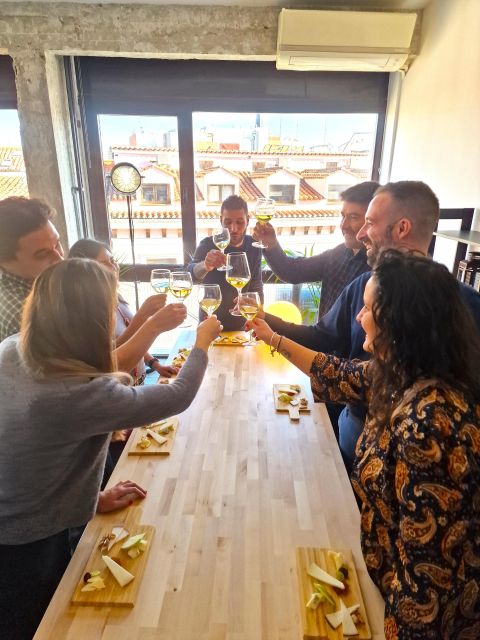
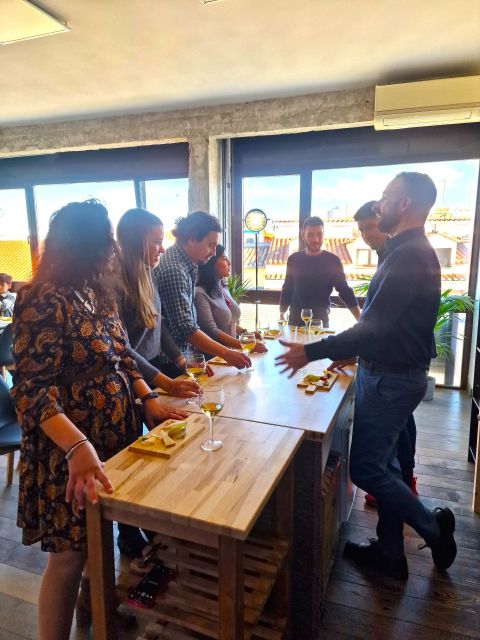
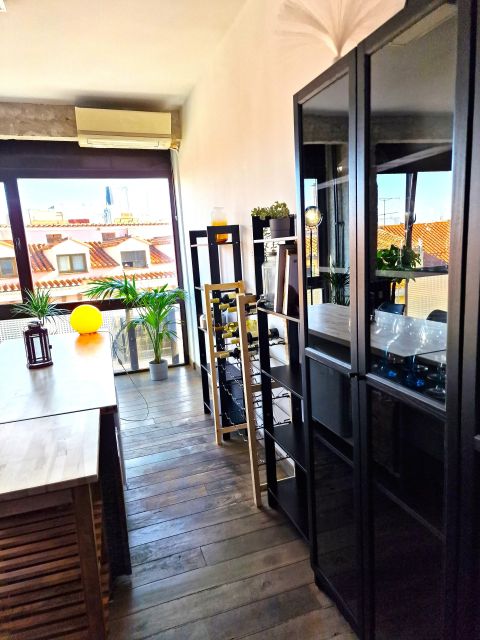
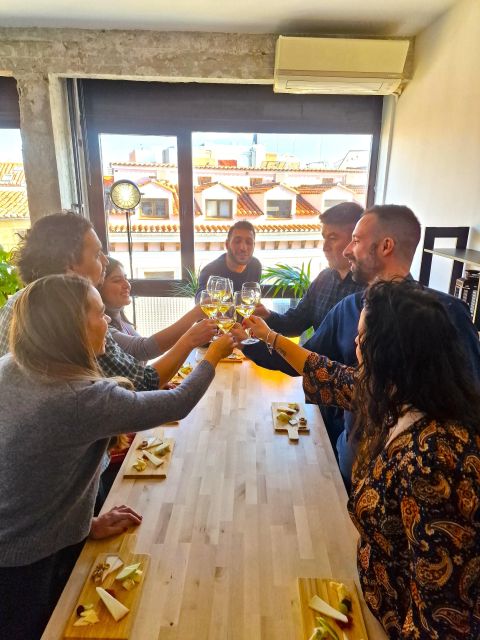
This is a good choice when you want an edible introduction to Spain without giving up half a day. The setting is described as cozy and elegant, and the format keeps you seated around a table while the host brings the food, wine, and explanations together.
The location near Plaza Mayor matters. Madrid sightseeing can involve plenty of walking, and a tasting close to the center lets you slot this into a busy itinerary. You can visit the square, explore the surrounding streets, then make your way to the tasting without arranging transport across town.
At the address, go to the second floor and look for door A. That detail is worth saving before you arrive, since the meeting point is inside a building rather than at a large street-front attraction.
The experience lasts two hours. That gives the host enough time to explain the selections without turning the session into a long lecture. You should expect a guided tasting, not a free-flowing wine bar visit or a full restaurant meal.
More Wine and Cheese Tastings in Spain
- Tacoronte: Guided Winery Tour with Wine and Cheese Tastings
★ 4.6 · 481 reviews - Tenerife Bodegas Monje Winery Tour with Wine and Cheese Tasting
★ 4.5 · 121 reviews - Visit and wine tasting with sausage and BODEGA PIRINEOS cheese
★ 5.0 · 73 reviews
Four cheeses, four very different personalities
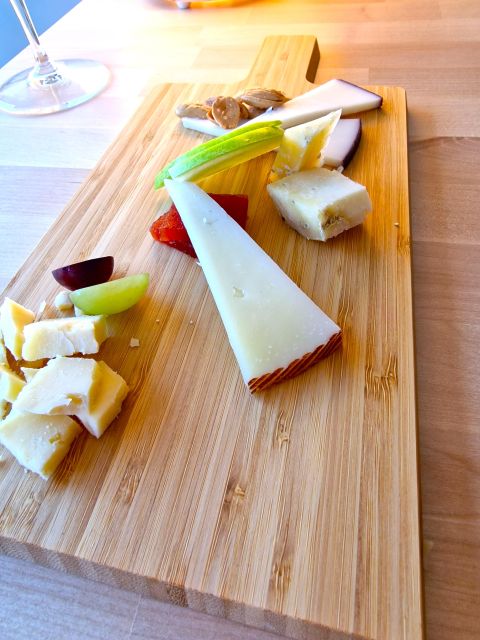
The cheese board is the heart of the experience. Each selection has a protected designation of origin, known in Spain as a D.O. designation. This means the cheese is tied to a defined region and production standard, giving you a useful way to connect taste with place.
You are scheduled to taste four cheeses:
- Cow cheese from Mahón-Menorca
- Goat cheese from D.O. Cabezuela in Madrid
- A goat cheese paired with wine from D.O. Murcia
- Gamoneu from Asturias, made with sheep, goat, and cow milk
The first lesson is variety. Spanish cheese is not one single style, and this board makes that clear through different animals, regions, and production traditions. The Mahón-Menorca cheese gives the tasting a Mediterranean starting point, while the Madrid goat cheese brings the focus closer to the city where you are sitting.
The mixed-milk Gamoneu from Asturias is an especially interesting inclusion. It combines sheep, goat, and cow milk, so you can compare it with the single-animal cheeses and see how milk sources affect texture and flavor. The information provided does not specify the exact aging of every cheese, so your host’s explanation will be important here.
The list also identifies a goat cheese served with a wine from Murcia. The wording does not provide a precise pairing chart for every cheese, so do not expect to receive a printed formula that says one cheese must go with one wine. The useful part is the guided comparison, tasting a cheese on its own and then with wine to notice how the flavors change.
For anyone who normally buys the same cheese at home, this format gives you a better vocabulary. You can ask about milk type, region, texture, and pairing instead of treating cheese as a simple appetizer.
Four wines from four Spanish regions
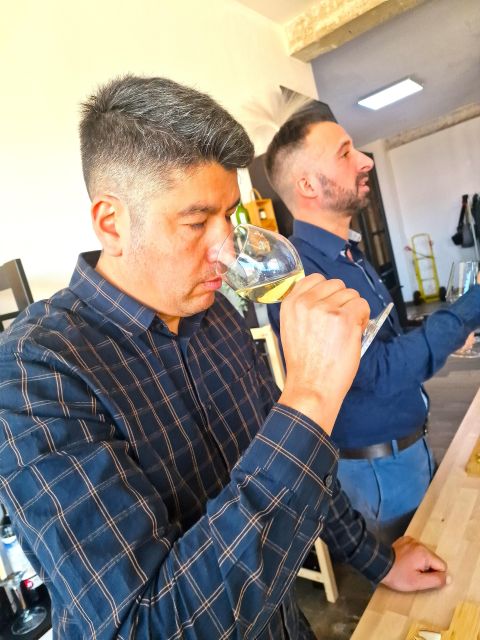
The wine selection takes you beyond the usual Rioja and cava conversation. You will taste four Spanish wines:
- Red wine from the Region of Murcia
- Fine wine from Andalusia
- White wine from Castilla-La Mancha
- Red wine from Valencia
This is a strong regional spread for a two-hour session. Murcia and Valencia bring southeastern Spain into the picture, Castilla-La Mancha supplies a white wine from one of Spain’s best-known wine areas, and Andalusia adds a fine wine style that gives the tasting more range.
The Andalusian wine is listed as a fine wine, but the supplied details do not give its exact name, grape, or appellation. Your host should provide those specifics during the session. The same applies to the red and white wines from the other regions. If you care about grape varieties or want to buy a bottle later, ask for the labels or names before the tasting ends.
The wine pairings are not just about matching similar flavors. A host can show you how a creamy cheese reacts to acidity, how a stronger cheese changes a red wine, or how a sweeter or fortified-style wine can balance salt. The educational value comes from tasting the same food with different drinks, not from memorizing a list of regions.
Wine is included, so pace yourself. Four pours over two hours can still add up, especially if you have been sightseeing in the Madrid sun. The experience is not suitable for pregnant women, and alcohol or drugs are not allowed beyond the wine served as part of the tasting.
What the guide adds to the table
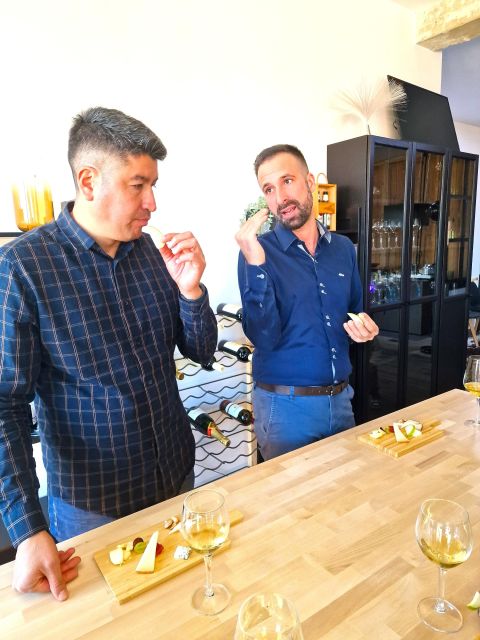
A local expert leads the session, and instruction is available in English, Spanish, Italian, French, and Portuguese. That language range makes this more accessible than many small food activities, though you should select your preferred language when checking available times.
Several hosts have been named in connection with the experience, including Anthony, Yirelis, and Toni. The strongest praise has focused on warm service, clear explanations, and the friendly way the hosts describe the wines, cheeses, and their regions. One host was singled out for guiding the group through both the pairings and the geography behind them.
The guide’s role is important because the food list alone would not tell you much. A Mahón cheese and a Gamoneu can both be described simply as Spanish cheese, but the point is to understand how island traditions, mountain production, milk types, and regional habits shape what you taste.
The session also includes background on Spanish gastronomic culture. That makes it useful early in your Madrid stay, when you still want help reading menus and understanding what appears on a tapas plate. It also works near the end of a trip, when you can compare these tastes with food you have already encountered.
Same region, a different board:
- Guided Visit to the Estrella Galicia Museum with Cheese Pairing
★ 5.0 · 218 reviews - Fuerteventura: Artisan Goat’s Cheese Making at Local Farm
★ 4.9 · 112 reviews - Menorca: Guided visit to the Subaida cheese factory,
★ 4.5 · 96 reviews - Sangria Workshop and Tasting with Local Cheese
★ 5.0 · 86 reviews
The two-hour rhythm and atmosphere
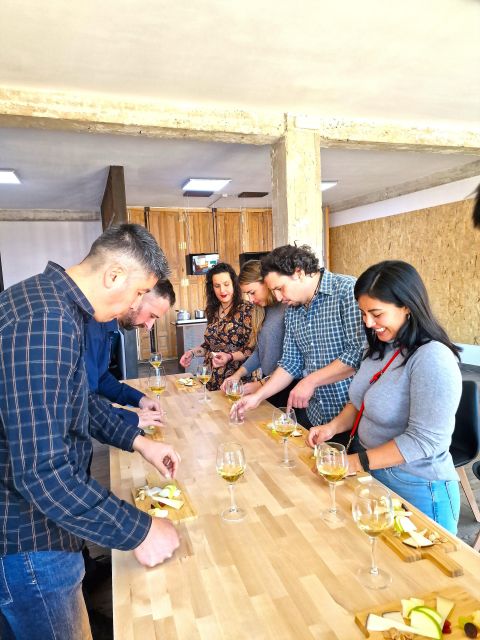
Expect a seated, table-based experience in a comfortable setting. The format is practical: the cheeses and wines arrive in stages, the host gives context, and you taste while the information is fresh.
The experience is described as cozy and elegant rather than casual or noisy. That may appeal to couples, friends, and small family groups with adult children who want a slower break from sightseeing. It is also a reasonable plan for a rainy afternoon, since the activity takes place indoors.
Do not book it expecting a market tour, a visit to a cheese producer, or a walk through a vineyard. Nothing in the information indicates travel outside central Madrid or a stop at another venue. The value comes from the selection and the explanation, not from transportation or behind-the-scenes production access.
The two-hour length is also a useful limit. You get enough material to learn and compare, but you do not lose an entire afternoon. On the other hand, people looking for dinner may find the portions too light. The experience centers on tasting, so plan a separate meal if you want something substantial afterward.
Is $59 a fair price?
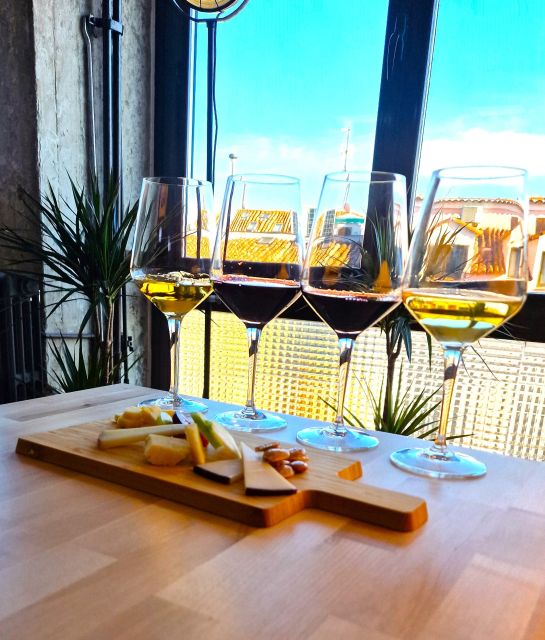
At $59 per person, this is not the cheapest way to drink wine in Madrid. You could buy cheese and a bottle for less, especially at a market or grocery shop. But that comparison misses what you are paying for here: four protected-origin cheeses, four regional wines, a central venue, and two hours of guided instruction.
The value is strongest if you enjoy learning what you taste. A good host can turn a plate of food into a practical lesson about Spanish regions and pairing. That is useful for people who want more than a quick snack and would rather not spend time researching labels on their own.
The price is less compelling if you mainly want a large meal or generous wine pours. No group size is provided, and the exact serving sizes are not specified, so you should treat this as a tasting rather than a replacement for lunch or dinner.
The high rating of 4.8 from 25 reviews supports the idea that the service and food quality are usually strong. Still, one three-star rating focused only on the food suggests that expectations can differ. If your top priority is quantity, ask yourself if a guided tasting is the right format. If you care about quality, regional variety, and personal explanation, the price is easier to justify.
Who will enjoy this Madrid tasting most?
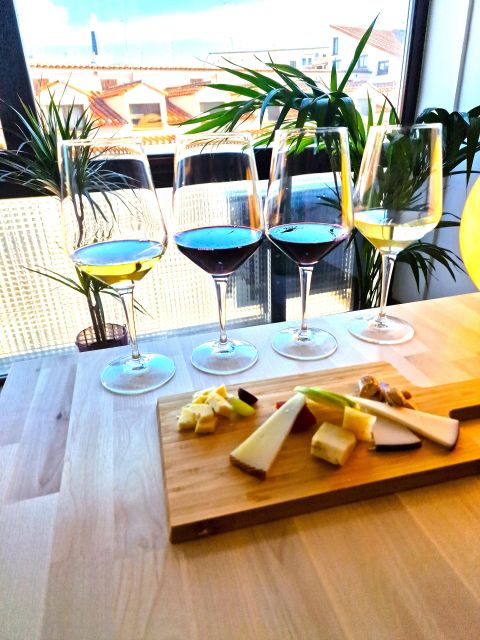
I would recommend it to adults who enjoy cheese, wine, and local food stories. It suits first-time visitors who want a quick introduction to Spanish regional products, as well as repeat visitors who would like a more structured food activity.
It is particularly useful for:
- Couples wanting a relaxed central Madrid activity
- Friends who enjoy tasting and comparing food
- Adults who want a break between sightseeing stops
- People interested in Spanish regions and protected food products
- Visitors who prefer an indoor activity with no transport between venues
It is not suitable for vegans, children under 18, pregnant women, people with epilepsy, or people with a cold. The supplied restrictions also list people prone to seasickness and hearing-impaired people, although seasickness seems unusual for a stationary indoor tasting. If any restriction applies to you, confirm suitability before paying.
Smoking and vaping are not allowed indoors. Bare feet, alcohol or drugs beyond the tasting itself, and explosive substances are also prohibited. Most of these rules are straightforward, but the important practical point is that this is a controlled indoor food setting, not a casual party.
Tips for getting more from the tasting
Arrive with enough time to find the second-floor door A meeting point. In central Madrid, streets around Plaza Mayor can be busy with pedestrians, and a few spare minutes will help you start calmly.
Come ready to ask questions. Ask which cheese is oldest, which wine has the most acidity, and which products are easiest to find elsewhere in Spain. The exact answers will depend on the host and the products served that day, but these questions help you turn a passive tasting into a useful food lesson.
If one flavor is unfamiliar, taste it more than once. Stronger Spanish cheeses can seem challenging at first, especially when compared with mild supermarket cheese. Try the cheese alone, then with the suggested wine, and pay attention to whether the salt, creaminess, sweetness, or acidity changes.
The hosts named for this activity include Toni, Anthony, and Yirelis, and service has been praised as professional and friendly. Host assignments can change, so book based on the experience itself rather than expecting one particular person unless the booking system confirms the name.
You can cancel up to 24 hours in advance for a full refund, and the reserve-now, pay-later option lets you hold a spot without paying at once. Check the available starting times because the exact schedule is not fixed in the basic activity details.
Should you book it?
Book this tasting if you want a compact, guided introduction to Spanish cheese and wine in a central Madrid setting. The regional spread is more interesting than a generic cheese plate, and the multilingual instruction makes it easy to follow.
Skip it if you want a full meal, a winery visit, or a large amount of wine. For everyone else, $59 is a fair price for the food, four wine samples, central location, and personal guidance, especially if you enjoy knowing why a product tastes the way it does.
FAQ
Where does the Spanish cheese and wine tasting take place?
It takes place in the Community of Madrid, in central Madrid near Plaza Mayor. At the address, go to the second floor and look for door A.
How long does the experience last?
The tasting lasts two hours. Starting times vary, so check availability when booking.
How much does the tasting cost?
The listed price is $59 per person.
How many cheeses are included?
The experience includes a table with four cheeses, all associated with protected designations of origin.
Which cheeses are served?
The selection includes cow cheese from Mahón-Menorca, goat cheese from D.O. Cabezuela in Madrid, a goat cheese associated with Murcia, and Gamoneu from Asturias made with sheep, goat, and cow milk.
How many wines are included?
Four Spanish wines are included: a red from Murcia, a fine wine from Andalusia, a white from Castilla-La Mancha, and a red from Valencia.
Which languages are available?
Instruction is available in English, Spanish, Italian, French, and Portuguese.
Can children attend?
No. The experience is not suitable for children under 18.
Can I cancel for a refund?
Yes. You can cancel up to 24 hours in advance for a full refund.
Can I reserve now and pay later?
Yes. The reserve-now, pay-later option lets you book without paying at the time of reservation.
Just added around Spain
- Cheese Factory Workshop with Wine Tasting in Requena, Valencia★ 4.5 · 3 reviews
- Guided Tour Montesdeoca Cheese Factory – Cheese and Wine Tasting★ 4.5 · 6 reviews
- Hike the Cork Oak trail and try some Delicious Cheese★ 5.0 · 12 reviews
- Private Basque Cheese & Txakoli Wine Tour from San Sebastian★ 5.0 · 20 reviews
- Discover the Art of Idiazabal Cheese in the Basque Country★ 4.5 · 9 reviews
- Menorca: Cheesemaking and Farm-Fresh Product Tasting★ 5.0 · 29 reviews
- Mallorca Wine and Cheese Tasting★ 5.0 · 29 reviews
- Madrid Bike Tour with Churros and Wine, Ham, and Cheese Upgrade★ 5.0 · 8 reviews
Madrid Cheese Tours, compared.
Central Madrid: Sangría Workshop & Tasting with Local Cheese
Read our review →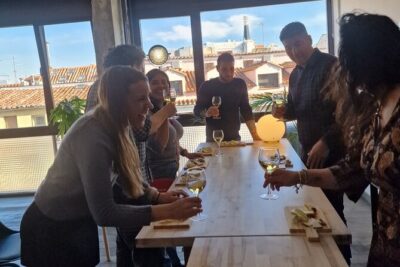
Gourmet Experience: Tasting of Spanish Cheese and Exclusive Wines
Read our review →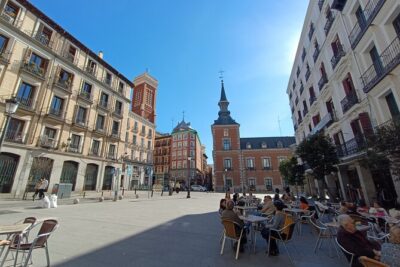
Madrid Bike Tour with Churros and Wine, Ham, and Cheese Upgrade
Read our review →Browse the lists this tour appears in