
REVIEW · SPAIN
Gran Canaria: Cheese Workshop in Agüimes
Fresh goat’s milk, friendly baby goats, and a cheese you make with your own hands: that is the appeal of this small farm experience near Agüimes. I like the hands-on cheesemaking and the chance to see how goats fit into local food traditions, not just taste a finished product. The mountain setting also gives the visit a pleasant sense of place.
I especially like that you take home the cheese you make and that the farm welcomes children around its animals. The main drawback is practical: the experience is conducted in Spanish, and the farm may be difficult to find without careful directions. One booking party arrived an hour late after agreeing on an earlier time, while another could not locate the farm or reach the contact number.
Key points at a glance
- Fresh goat’s milk: Follow the transformation from milk to handmade cheese.
- Baby goats and farm animals: Meet the goats and learn about their care in a natural farm setting.
- A real workshop: You take part in the work, including coagulation and shaping.
- Local food traditions: Learn why goats and cheese matter in the Canary Islands.
- Cheese to take home: Bring a cooler so your finished cheese stays fresh.
- Spanish-language instruction: The teaching is in Spanish, so plan around the language issue.
Why this Agüimes farm visit is different
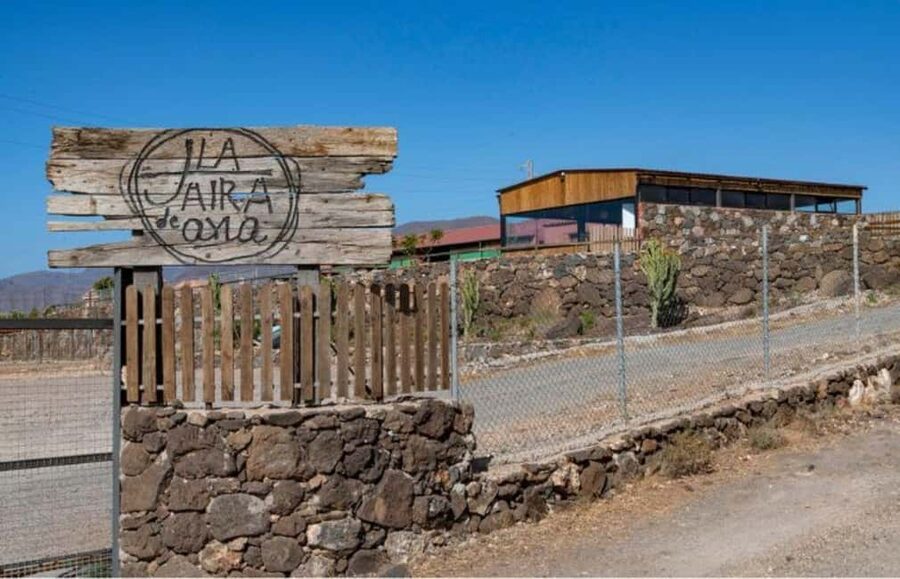
Many food activities give you a tasting and a short explanation. This one asks you to make something. At La Jaira de Ana, the focus is the path from goat to cheese, with the animals, the milk, and the production method all tied together.
That connection matters. Goat farming has a clear role in Canarian food culture, and cheese is one of the most familiar ways to taste it. You are not simply sampling a product with a vague local label. You are handling the process that creates it.
The visit takes place at a farm in the Agüimes area, either outdoors or in a prepared workshop space. The setting has broad views across the city, which adds a scenic element without turning the activity into a sightseeing tour. You come for the cheese, but the rural setting helps explain why this food tradition developed here.
The experience costs $35 per person and lasts about 1.5 hours. I consider that a fair price if you want an activity with participation, animal contact, instruction, and a take-home product. It is less compelling if your main goal is a large tasting session or a full farm tour, since the supplied details center on the workshop rather than a long meal or extensive excursion.
More Cheese Making Workshops in Spain
- Fuerteventura: Artisan Goat’s Cheese Making at Local Farm
★ 4.9 · 112 reviews - Sangria Workshop and Tasting with Local Cheese
★ 5.0 · 86 reviews - Central Madrid: Sangría Workshop & Tasting with Local Cheese
★ 4.8 · 82 reviews
Meeting the goats before making cheese
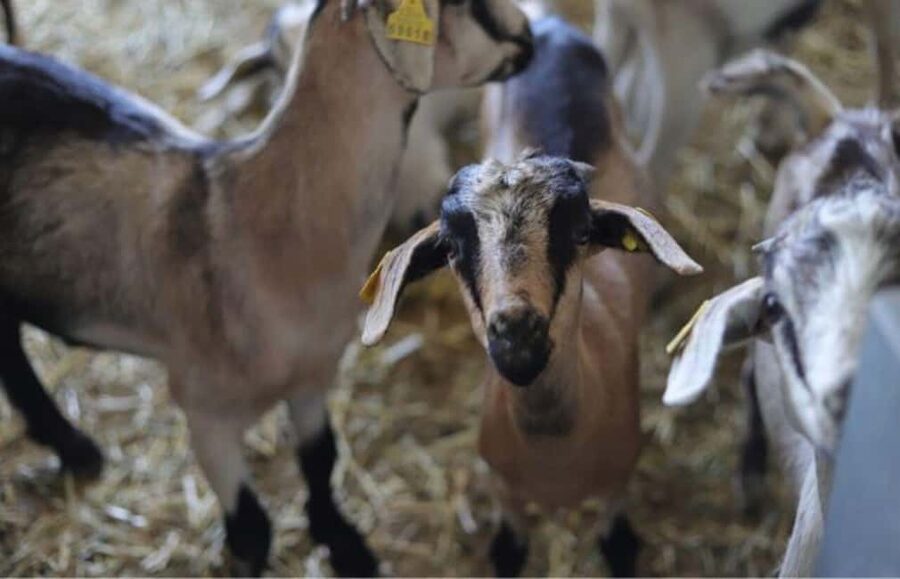
The visit begins with a welcome and an introduction to the cheese-making process. You learn how the milk is collected and how the goats are cared for before the practical work starts.
The animal part is more than a quick photo stop. You can interact with affectionate goats and meet young animals in a natural environment. Families may find this especially useful because the farm also has baby rabbits and other farm animals for children to see and enjoy.
This is one of the strongest parts of the activity for anyone who wants contact with working farm life. The animals are not just decoration around a workshop. They help you understand where the principal ingredient comes from and why care, feeding, and milking all affect the final food.
At the same time, keep your expectations sensible. The information does not promise a full milking demonstration or a set amount of time with each animal. The visit introduces you to the goats and the milk used for the cheese, then moves into production.
Fermet has been described as leading visitors around the farm and explaining the process with patience. Ana is also associated with the cheesemaking instruction and has been praised for explaining the full method with energy and skill. The exact host may depend on the day, but you can expect a personal, small-farm style of presentation rather than a formal museum talk.
From milk to curds: the 1.5-hour workshop
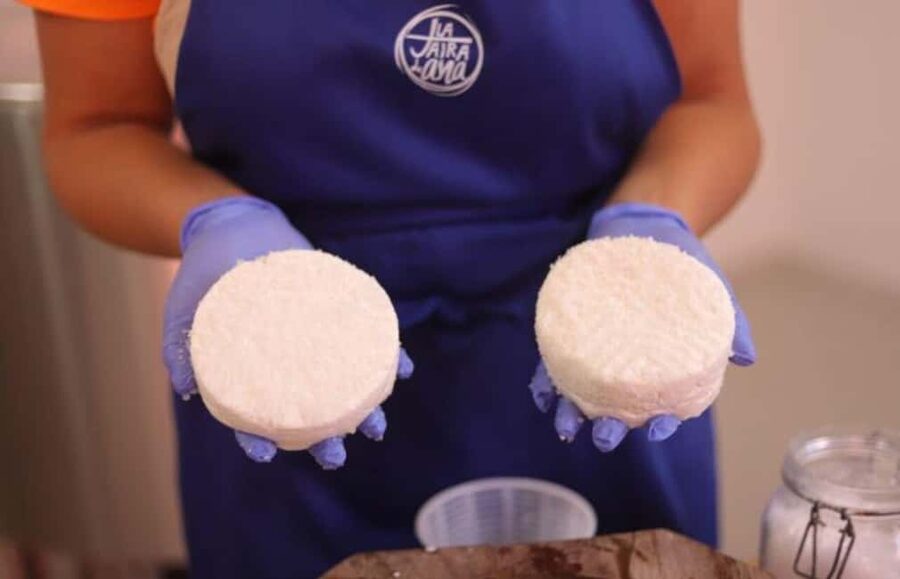
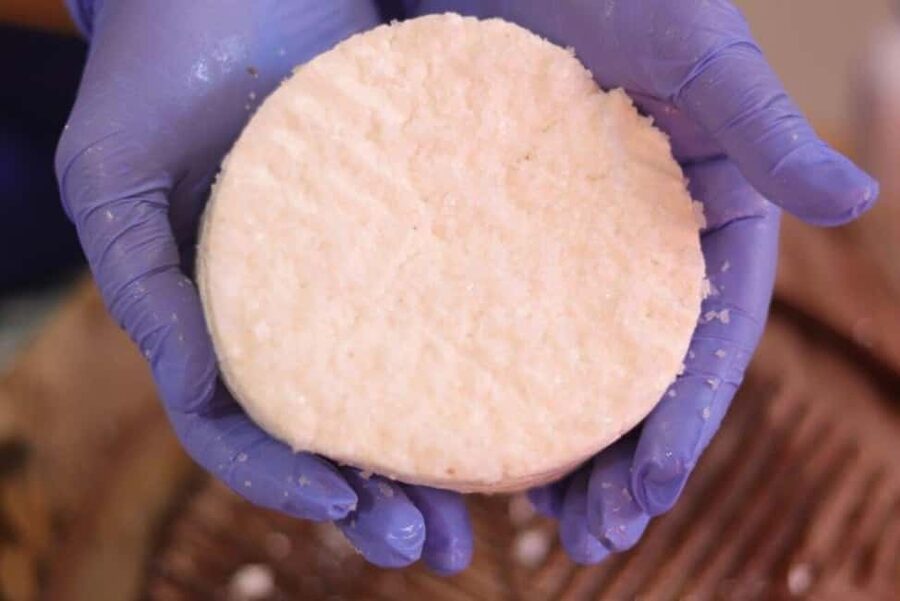
The main event is a guided, practical cheese session. You work through the method step by step, beginning with the fresh goat’s milk and moving through coagulation and shaping.
Coagulation is the point where the milk changes from a liquid into a thicker mass suitable for cheese production. You are shown how this stage works, then take part in the handling that follows. The shaping stage gives you a clear sense that this is your own batch, not simply a demonstration carried out while you watch.
The instructions describe the workshop as traditional and artisanal. That does not mean you will become a professional cheesemaker in one afternoon. It does mean you get a basic understanding of the decisions and physical work behind a small farm cheese.
I like this format because it gives the activity a clear rhythm. First, you meet the animals and understand the source. Next, you learn the method. Then, you handle the ingredients and create the finished item. The sequence makes the food more memorable than a tasting alone.
The workshop lasts 90 minutes, so the pace should be active. You will not have unlimited time for long questions, extended animal visits, and a detailed tour of every part of the farm. If you want a relaxed farm afternoon, this may feel brief. If you want a focused activity that fits into a day of sightseeing, the length works well.
Instruction is in Spanish. That is the most important point to consider before booking. You may still follow a hands-on process through demonstrations and gestures, but the written information does not promise translation or instruction in English, German, Dutch, or any other language. Basic Spanish will help you get more from the explanations, especially when the guide discusses steps such as coagulation and shaping.
The cheese you take home
The final reward is not only the knowledge gained during the session. You take home the cheese you have made yourself.
Bring a cooler. This is a simple tip, but it matters. Fresh cheese needs sensible handling after you leave the farm, and the activity specifically asks you to bring a cooler for the journey home. If you are spending the rest of the day in the sun or driving around Gran Canaria, do not rely on a warm shopping bag.
The exact size, style, and aging time of the cheese are not specified. You should think of it as a fresh product from the workshop rather than a packaged, long-aged cheese selected from a shop shelf. Its appeal comes from making it yourself and linking it to the farm visit.
You may also find cheese and other farm produce available for purchase, though the supplied details do not give a full product list. The farm’s produce has been described as good quality and reasonably priced. That can make the visit more useful if you want to buy a local food item, but I would not book on the assumption that a particular product will be available.
Same region, a different board:
- Tacoronte: Guided Winery Tour with Wine and Cheese Tastings
★ 4.6 · 481 reviews - Guided Visit to the Estrella Galicia Museum with Cheese Pairing
★ 5.0 · 218 reviews - Tenerife Bodegas Monje Winery Tour with Wine and Cheese Tasting
★ 4.5 · 121 reviews - Menorca: Guided visit to the Subaida cheese factory,
★ 4.5 · 96 reviews
The Agüimes setting and the practical side
Agüimes gives this experience a rural setting away from the usual resort routine. The farm has views over the city, so the arrival can feel scenic even though the cheese workshop remains the main attraction.
The location is also the biggest practical concern. One participant reported driving on time, asking for help in the town, and still failing to find the farm. The same person could not reach the contact number during the scheduled time. That is a serious warning, especially if you are relying only on a navigation app.
I would sort out the meeting point before the day of the visit. Check the exact address, save any written directions, and allow extra time for the final approach. If the booking system provides a contact number, keep it available and try to confirm the location in advance. The available information does not identify a public transport route or provide a pickup service, so do not assume transportation is included.
Timing may also need confirmation. One booking began an hour later than planned, with a scheduled 11:30 start becoming a 12:30 start. The delay was eventually offset by a strong explanation of the process, but it could affect a day planned around a bus connection, restaurant reservation, or another tour.
You can check available start times during booking, and the stated duration is 1.5 hours. The activity also allows cancellation up to 24 hours before the start for a full refund, and you can reserve now and pay later. Those terms help if your Gran Canaria schedule is still changing, but they do not remove the need to confirm the meeting point.
Who will get the most from this experience
This is a good match for people who prefer doing rather than watching. If you enjoy cooking classes, local food, and small farms, the workshop gives you a clear activity with a tangible result.
Families may also like it. The goats, baby rabbits, and other farm animals give children something to see while adults follow the cheese-making steps. The information does not set a minimum age or describe child-specific instruction, so parents should judge the activity based on their children’s interest in animals and ability to take part in a 90-minute workshop.
Food-minded visitors will appreciate the link between the raw ingredient and the finished cheese. You can also use the activity as a break from beach time and resort dining. It offers a closer look at a Canarian product without taking up a full day.
This may not suit you if you need instruction in English or want a polished, highly structured attraction. Spanish is the stated language, and the farm setting may feel informal. You should also reconsider if you need a guaranteed start time, an easy-to-find location, or a fully supported transport plan.
What to bring and how to prepare
Bring a cooler first. It is the one item specifically requested for taking your cheese home.
Wear practical clothes that you do not mind using around animals and food preparation. The information does not give a dress code, but a hands-on farm workshop is not the place for clothing that must stay spotless. You may also want to carry water and sun protection, since part of the experience can take place in a farm setting, although the supplied details do not specify how much time is outdoors.
Prepare a few simple Spanish food and farm terms if you do not speak the language. Even limited preparation may help you follow the sequence from milk to finished cheese. Since the workshop is practical, watching the demonstration closely will also matter.
Build some flexibility into your day. The duration is listed as 1.5 hours, but the delayed start described above shows that farm activities may not run with the precision of a city museum entry. Avoid placing a tight appointment immediately afterward.
Is $35 a fair price?
At $35, the value depends on what you want from the visit. You receive a farm encounter, contact with goats, a guided cheese-making workshop, and cheese to take home. For someone who would otherwise pay separately for a food class and a farm visit, that is a sensible package.
The value is strongest because the workshop is participatory. You are not paying only for access to a scenic farm or a small tasting. You are paying for instruction and ingredients, then leaving with a product connected to your own work.
The price is less attractive if language limits your understanding or if you are mainly interested in buying cheese. A local shop may offer a cheaper way to taste or purchase goat cheese, though it will not give you the farm setting or the making process.
The small review count and overall rating of 4.3 suggest a generally positive experience, but the location issue should not be brushed aside. A good activity can still be frustrating when the arrival instructions are unclear. Treat the meeting point as part of your preparation, not an afterthought.
Should you book the La Jaira de Ana workshop?
Book it if you want a personal, food-focused activity with animals, local context, and something practical to take home. The best reasons are the fresh goat’s milk, the step-by-step work, the chance to meet baby goats, and the connection to Canarian cheese traditions.
I would be more cautious if you do not understand Spanish, have a strict schedule, or cannot arrange a cooler. In those cases, the workshop may still be enjoyable, but you will need to accept more uncertainty.
For families, curious cooks, and anyone seeking a quieter alternative to the usual Gran Canaria attractions, this is a worthwhile choice at $35. Confirm the location, allow extra arrival time, and bring the cooler. Those small preparations can make the difference between a relaxed farm visit and a frustrating search around Agüimes.
FAQ
Where does the cheese workshop take place?
The activity takes place at La Jaira de Ana near Agüimes, in Spain.
How long does the workshop last?
The stated duration is 1.5 hours.
What language is used during the activity?
The instructor and activity content are in Spanish. Some content may appear in its original language.
Do I get to make my own cheese?
Yes. You take part in a hands-on workshop using fresh goat’s milk and learn the process through stages such as coagulation and shaping.
Can I take the cheese home?
Yes. You take home the cheese you make. Bring a cooler to keep it fresh.
Can I cancel the booking?
You can cancel up to 24 hours in advance for a full refund. You can also reserve now and pay later.
Just added around Spain
- Cheese Factory Workshop with Wine Tasting in Requena, Valencia★ 4.5 · 3 reviews
- Guided Tour Montesdeoca Cheese Factory – Cheese and Wine Tasting★ 4.5 · 6 reviews
- Hike the Cork Oak trail and try some Delicious Cheese★ 5.0 · 12 reviews
- Private Basque Cheese & Txakoli Wine Tour from San Sebastian★ 5.0 · 20 reviews
- Discover the Art of Idiazabal Cheese in the Basque Country★ 4.5 · 9 reviews
- Menorca: Cheesemaking and Farm-Fresh Product Tasting★ 5.0 · 29 reviews
- Mallorca Wine and Cheese Tasting★ 5.0 · 29 reviews
- Madrid Bike Tour with Churros and Wine, Ham, and Cheese Upgrade★ 5.0 · 8 reviews
Spain Cheese Tours, compared.
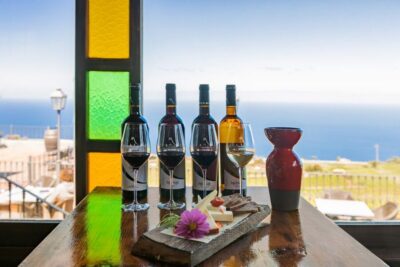
Guided Winery Tour with Wine and Cheese Tastings
Read our review →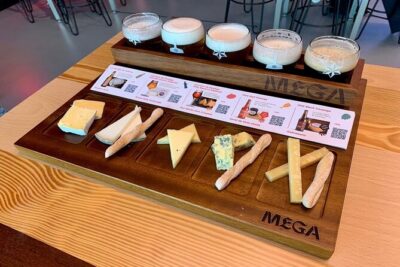
Guided Visit to the Estrella Galicia Museum with Cheese Pairing
Read our review →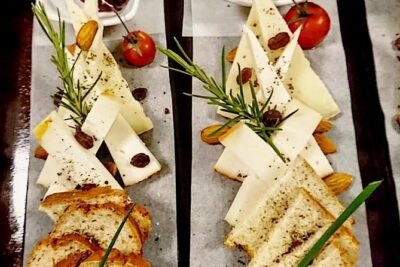
Tenerife Bodegas Monje Winery Tour with Wine and Cheese Tasting
Read our review →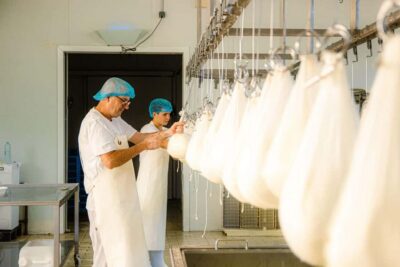
Menorca: Guided visit to the Subaida cheese factory,
Read our review →
Central Madrid: Sangría Workshop & Tasting with Local Cheese
Read our review →
Visit and wine tasting with sausage and BODEGA PIRINEOS cheese
Read our review →
Santiago de Compostela: Cheese and Wine Tasting Experience
Read our review →Browse the lists this tour appears in