
REVIEW · ITALY
Parma: Parmigiano Reggiano Museum Ticket
Parma’s famous cheese has a story that begins long before it reaches a market counter. At the Parmigiano Reggiano Museum, you walk through original 17th-century stables, an old hay barn, and a former cheese plant to see how this local food became a symbol of Emilia-Romagna.
I like the setting best: the Castellazzi complex gives the visit a real sense of place, rather than putting cheese behind glass in a modern room. I also like the low price, since an $8 ticket gives you access to the museum for a full day.
The main consideration is that tasting and drinks cost extra. I would add the cheese tasting if available, since it gives the visit a more satisfying finish. The overall rating is 3.7 out of 5 from 34 reviews, so expect a pleasant, focused museum stop rather than a major all-day attraction.
Key points to know before you go
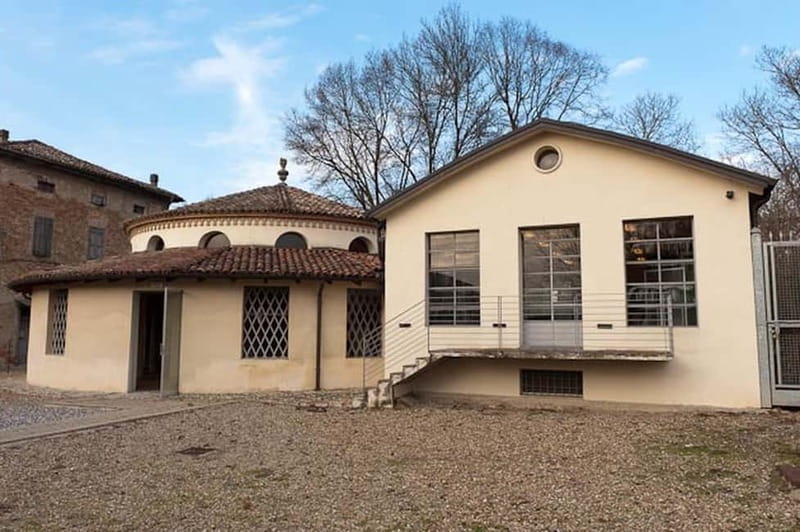
- See original 17th-century buildings: The museum includes vaulted stables and an ancient hay barn within the Castellazzi complex.
- Follow cheese-making through time: Displays cover both older tools and more recent equipment used to make Parmigiano Reggiano.
- Add the tasting: The optional cheese tasting is not included in the basic $8 ticket, but it is the best way to connect the displays with the finished product.
- Plan a flexible stop: Your ticket is valid for one day, with starting times shown when you check availability.
- Good for families and food lovers: The compact subject, old equipment, and tasting option give different age groups something to enjoy.
- Wheelchair accessible: The activity is listed as accessible for wheelchair users.
Why Parmigiano Reggiano belongs in Parma
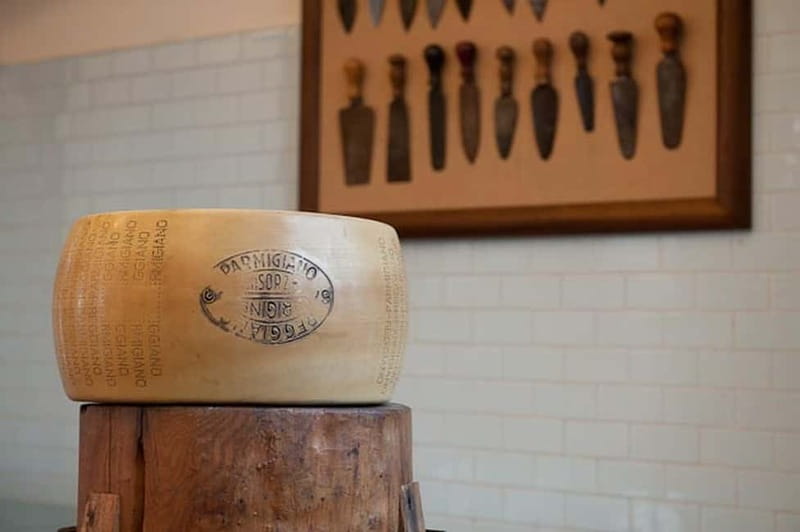
In Parma, Parmigiano Reggiano is more than a topping for pasta. It is tied to the food culture and working traditions of Emilia-Romagna, and this museum explains that connection through the places and tools used to produce it.
I like museums that begin with an object you already know. Most people have seen a wedge of Parmesan, but far fewer have seen the rooms, equipment, and stages behind it. Here, the subject is familiar enough to draw you in, yet the setting gives you plenty of details to notice.
The museum also helps explain why the name matters. Parmigiano Reggiano is presented as a product with a long local identity, not simply a generic hard cheese. You get a better sense of the care involved in turning milk into the firm, aged cheese associated with Parma.
Do not expect a large museum with a long route through dozens of galleries. The appeal is more direct. You come to see the old production spaces, understand the equipment, and finish with the option to taste the cheese itself.
More Parmesan and Balsamic Tours in Italy:
- Tour Parmigiano Reggiano dairy and Parma ham
★ 5.0 · 601 reviews - Parma: Parmigiano Production and Parma Ham Tour & Tasting
★ 4.9 · 554 reviews - Guided group tour TastyBus: Parmesan Cheese and Parma Ham
★ 5.0 · 241 reviews
Walking through the Castellazzi complex
The visit takes place in the Castellazzi complex, whose architecture is part of the attraction. The old buildings give the museum a practical, rural character. This is not just a collection of objects placed in a neutral exhibition hall.
The most striking parts are the original stables with vaulted roofs and the ancient hay barn, both dating from the 17th century. Their age and shape help you picture the working environment in which farming and cheese production were closely linked.
The complex also makes a good photo stop. The archway and surrounding architecture are among the most recognizable visual features of the visit, so have your camera ready as you move through the site.
The setting is especially useful if you want a short cultural stop with some local character. You are not only reading about Parmigiano Reggiano. You are seeing the sort of buildings connected to its production and the agricultural world around Parma.
The old structures may be more appealing to adults than to very young children, but the unusual equipment and cheese theme can keep a family visit moving. I would frame the stop as a compact museum experience, not a full farm visit.
The old stables, hay barn, and circular cheese plant
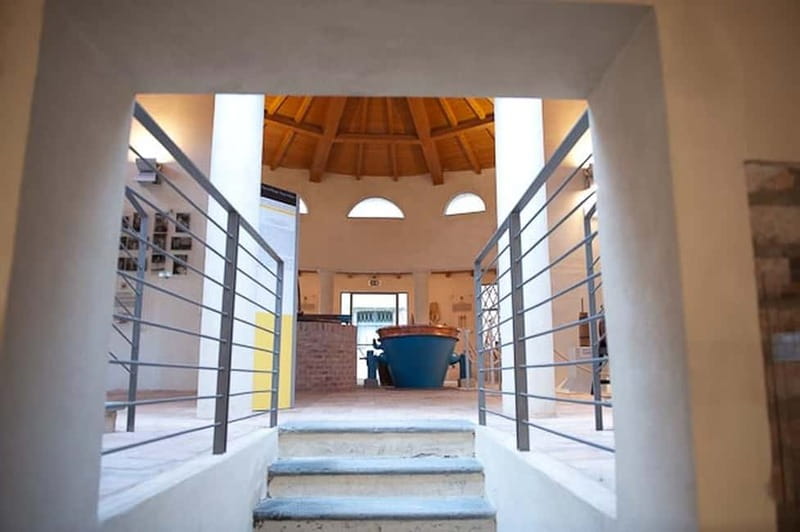
The main house retains several working areas that give the museum its shape. The vaulted stables are a highlight because they preserve the original feel of the building and show how the site was organized in an earlier period.
The ancient hay barn adds another useful piece to the picture. Cheese production depends on the wider agricultural system, and the barn helps connect the cheese to animals, feed, and farm work. You may find this more interesting than a simple display of finished wheels because it explains the setting around the food.
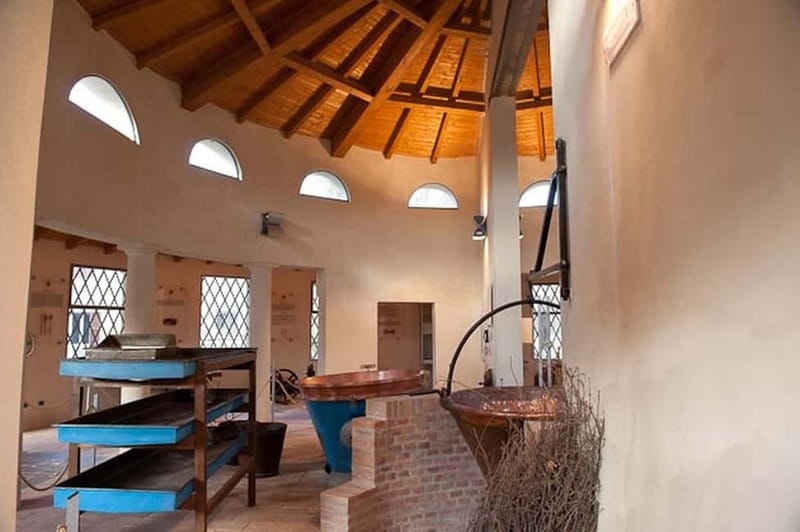
A circular cheese plant is another important part of the route. Its form and purpose give you a closer look at where the cheese-making process happened, rather than presenting only finished products.
The museum also includes a basement milk room and a salting room. These are more recent additions, and they show how the site changed over time. I like this contrast between old stables and later production rooms because it gives you a clearer sense of continuity.
You should pay attention to how the spaces fit together. The museum works best when you see it as a working complex, with storage, milk handling, salting, and production connected in one place.
From wooden tools to modern cheese equipment
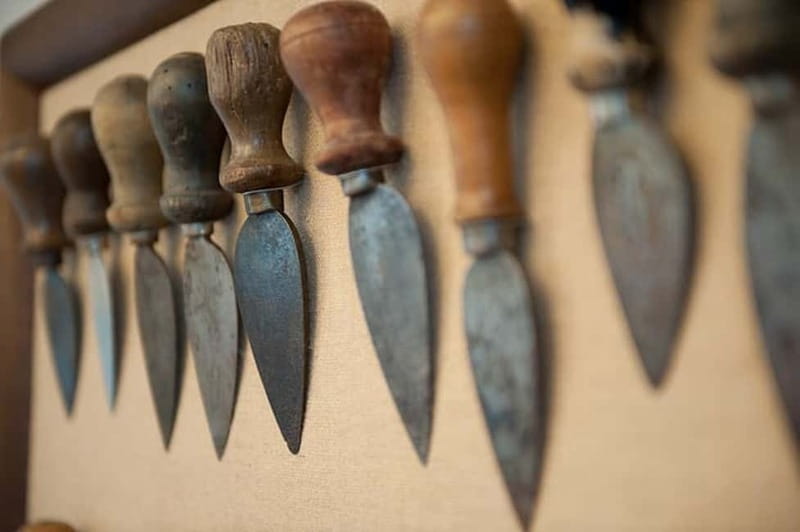
A central part of the visit is the collection of tools and equipment used in cheese making. Displays cover older methods as well as more modern practices, so you can compare the technology rather than seeing only one period.
The old tools are likely to be the most memorable part for many people. Their size, shape, and straightforward design make the work feel physical and hands-on. You can look at them and begin to understand how much labor went into producing a wheel of cheese before modern equipment became common.
The more recent equipment adds useful context. It shows that Parmigiano Reggiano production has changed without losing its connection to established methods. I find that balance more helpful than a simple story about old ways being replaced by new ones.
This section will appeal to anyone interested in food production, local crafts, or industrial history. It also gives children something concrete to look at. The tools are easier to understand than a long written explanation, especially if you point out how each one relates to the stages of production.
The information is focused on cheese making, so do not expect a broad survey of Parma’s food culture. That narrow focus is a strength if you want to understand this one product, but it may feel limited if you are looking for a general museum about the entire region.
More Museum Visits in Italy:
- Day Tour Parmigiano, Ferrari Museum, Balsamic, Lambrusco, Lunch with Transfer
★ 5.0 · 45 reviews - Parmesan and Balsamic Food Tour with Ferrari Museum
★ 5.0 · 28 reviews - Parmesan and Balsamic Food Tour with Ferrari Museum
★ 4.8 · 25 reviews - Ferrari Museum, Parmesan Cheese, Balsamic Vinegar Food Tour
★ 5.0 · 2 reviews
The optional Parmigiano Reggiano tasting
The tasting is separate from the entry ticket, and you should check the exact option when booking. Drinks are also not included in the basic admission.
For me, the tasting makes sense because it completes the visit. After seeing the tools, rooms, and production areas, you get to connect the museum story with the flavor and texture of the finished cheese. It turns a historical stop into a more immediate food experience.
The tasting is also a practical way to decide if you want to buy cheese to take home. A block of Parmigiano Reggiano was a popular purchase for one family, and the museum can be a useful place to choose a souvenir that is both local and easy to understand.
I would not assume the tasting is automatically part of your visit. The basic inclusion is the entry ticket, while tasting and drinks are listed separately. If tasting is important to you, select the correct ticket option rather than relying on the standard admission.
The tasting should also help you pace the visit. You can first look closely at the exhibits, then use the food at the end as a simple reward. If you are short on time, it may be the part you remember most.
How long to allow for this Parma stop
The ticket is valid for one day, and you check availability for starting times. That gives you some flexibility when fitting the museum into a day in Parma.
No fixed tour length is provided, so I would avoid building a tightly timed schedule around it. Allow enough time to walk through the historic rooms, look at the tools, take photos of the complex, and add the tasting if you choose it.
The museum works well as a stop between other activities because its theme is clear and focused. You do not need to commit to an entire day. At the same time, rushing through the stables and equipment would miss much of the point.
If you are traveling with children, a tasting can give the visit a clear endpoint. If you are visiting alone or as a couple, you can spend more time on the architecture and historical details.
The information does not specify group size or whether a named guide leads every visit. Treat this as a museum admission experience rather than assuming a private or fully guided tour.
Is the $8 ticket good value?
At $8 per person, the entry price is modest for a museum that includes historic buildings, production rooms, and a collection of cheese-making tools. I consider it good value if you have an interest in local food or want a quieter cultural stop away from the busiest sights.
The value improves if you take your time with the setting. A quick glance at a few tools will not tell you much, but the combination of stables, hay barn, circular cheese plant, milk room, and salting room gives the ticket more substance.
You should budget separately for the tasting and any drinks. That extra cost is worth considering before you book, especially if you are traveling with a family. The museum ticket remains inexpensive, but the full visit is not limited to the advertised admission price once extras are added.
I would not choose this museum solely because it is cheap. Choose it because you want to understand one of Parma’s best-known foods in the place where its story is rooted. The low price is a welcome bonus.
Who will enjoy the museum most?
I would recommend this experience to food lovers, families, and anyone curious about local crafts. The subject is easy to grasp, and the preserved buildings give the visit more character than a basic product display.
It is also a good fit for visitors who want to learn about Parma through one specific tradition. The museum does not try to cover everything. Instead, it shows how a famous cheese connects to buildings, tools, milk handling, salting, and regional identity.
The friendly service is part of the appeal, and the visit has been described as particularly welcoming for families. If you want a relaxed stop where staff can help you understand the collection and tasting, this is a sensible choice.
I would be more cautious if you are looking for a large, highly interactive museum or a long guided excursion. The activity is focused and relatively simple. Its pleasure comes from the old architecture, the production details, and the cheese itself.
Wheelchair access is listed, which makes this a useful option for visitors who need an accessible attraction. You should still confirm the details for your chosen time if you have specific mobility needs.
Practical booking advice
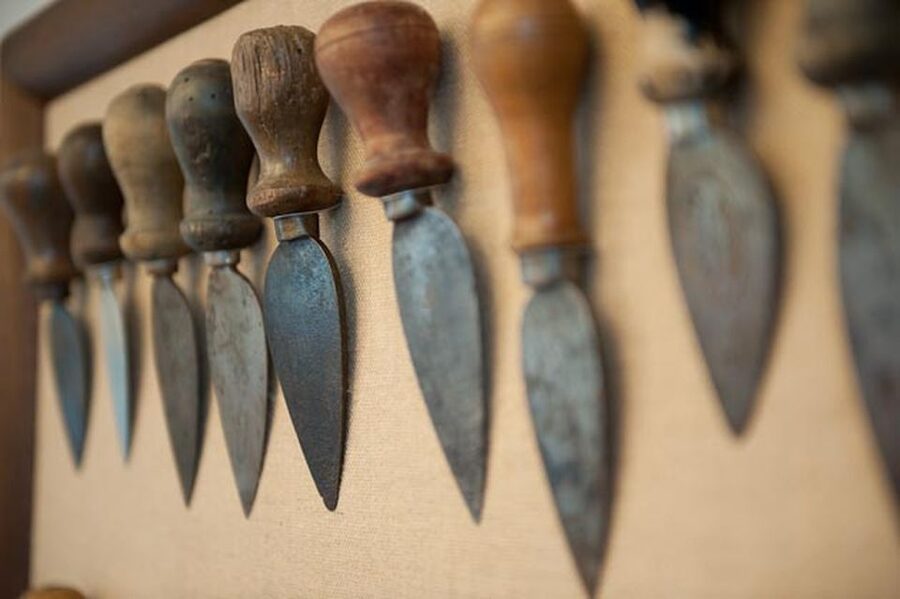
Choose the ticket with tasting if sampling Parmigiano Reggiano is a priority. The museum-only option is enough if you mainly want the buildings and exhibits, but the tasting adds a food-based finish that fits the subject perfectly.
Check availability for the starting time before planning the rest of your day. The ticket is valid for one day, but that does not mean you should arrive without checking the available schedule.
The activity offers free cancellation up to 24 hours in advance. You can also reserve now and pay later, which helps if your Parma plans are still changing.
The experience provider is Musei del Cibo della provincia di Parma, the organization behind food museums in the province. Keep your expectations centered on a museum visit rather than a farm-to-table meal or a full production demonstration, since only entry and the optional tasting are described.
Should you book the Parmigiano Reggiano Museum?
I would book this museum if you have even a modest interest in Italian food, traditional production, or old rural buildings. The 17th-century stables and hay barn give the visit a strong sense of place, while the tools and production rooms explain how Parmigiano Reggiano fits into Parma’s identity.
Add the tasting if you want the most complete version of the experience. Skip it only if you are watching your budget or prefer to sample cheese elsewhere.
At $8, the museum is an easy addition to a Parma itinerary. Just remember that the visit is focused, the tasting costs extra, and no fixed duration or named guide is provided. For a short, affordable look at one of Emilia-Romagna’s signature foods, it earns its place.
FAQ
How much does entry to the Parmigiano Reggiano Museum cost?
The museum ticket costs $8 per person.
Is cheese tasting included in the entry ticket?
No. The Parmigiano Reggiano tasting is optional and costs extra. Drinks are also not included.
How long is the ticket valid?
The ticket is valid for one day. Check availability for the starting times offered.
What can I see at the museum?
You can see original 17th-century stables with vaulted roofs, an ancient hay barn, a circular cheese plant, a basement milk room, a salting room, and cheese-making tools and equipment.
Is the museum wheelchair accessible?
Yes. The activity is listed as wheelchair accessible.
Can I cancel my booking?
Yes. You can cancel up to 24 hours in advance for a full refund.
Can I reserve now and pay later?
Yes. The reserve-now-and-pay-later option lets you book without paying at the time of reservation.
Who operates the museum experience?
The experience is provided by Musei del Cibo della provincia di Parma.
Just added around Italy
- Wine Tasting with Cured Meats & Cheeses in Florence★ 5.0 · 2 reviews
- Tuscany: Ripalte Design Winery Wine and Cheese Tasting Tour★ 4.7 · 15 reviews
- Vico Equense: Tour in the dairy “Mozzarella Experience”★ 5.0 · 19 reviews
- From Parma/Cinque Terre: Truffle & Parmesan Picnic (Tasting)★ 5.0 · 2 reviews
- Turin: Gastronomy tasting through oil, wine and cheese★ 5.0 · 2 reviews
- The Valpolicella food & wine driving tour: cheese factory+ winery★ 5.0 · 6 reviews
- Prosecco Hills Wine and Cheese Gourmet Discovery★ 5.0 · 6 reviews
- Premium Cheeses and Gins Tour in the Prosecco hills. Full lunch!★ 5.0 · 3 reviews
Italy Cheese Tours, compared.
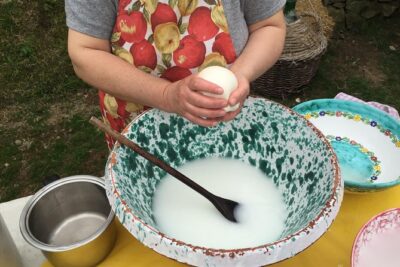
Authentic Farm Tour with Pizza, Cheese, Wine & Limoncello Tasting
Read our review →
Sorrento Farm by Tuk Tuk: Cheese, Limoncello & Hands-On Pizza
Read our review →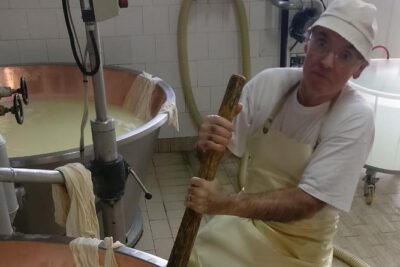
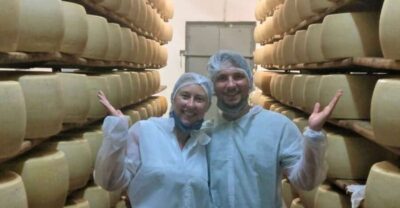
Parmigiano Production and Parma Ham Tour & Tasting
Read our review →
Cooking class with Pasta, mozzarella and Tiramisu with wine
Read our review →
Make Fresh Pasta, Mozzarella & Tiramisù with wine
Read our review →
Make Fresh Pasta, Mozzarella, & Tiramisù with Wine
Read our review →Browse the lists this tour appears in