
REVIEW · BUDAPEST
Hungarian Wine Tasting (with Cheese and Charcuterie) in Budapest
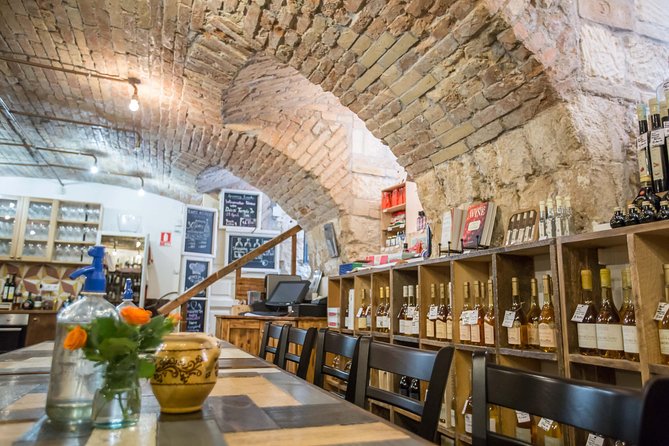
Budapest has a pleasant way of hiding its best lessons below street level. At Taste Hungary’s 19th-century cellar, you sit beneath vaulted ceilings with five Hungarian wines in front of you, plus local cheeses, cured meats, bread, and water. This is not just a drinking stop. It is a compact introduction to the country’s grapes, regions, and food culture.
I like the clear focus on indigenous Hungarian varietals, including bottles you may not find easily outside Hungary. I also like the sommelier-led format: guides such as Sam, Thomas, Tomasz, and Matthew have explained everything from grape-growing areas to soil and winemaking without requiring any prior wine knowledge. The main caution is quantity. The food is high quality, but some people may find the cheese and charcuterie portions modest for a $50 price.
Key points to know before booking
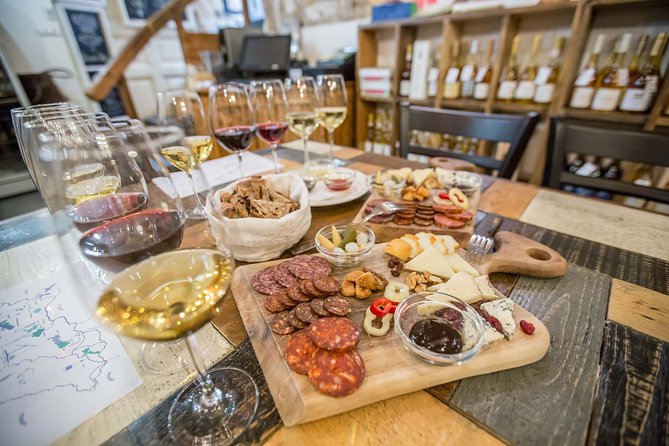
- Five Hungarian wines in 90 minutes: You taste a broad sample of local grapes rather than spending the afternoon on one style.
- A real cellar setting: The vaulted room gives the tasting a sense of place that a hotel bar cannot match.
- Four cheeses and four cured meats: Expect local specialties such as Mangalica sausage, smoked duck, beef sausage, and water buffalo salami.
- English explanations: A sommelier guides the session and answers questions about grapes, regions, soil, and food pairings.
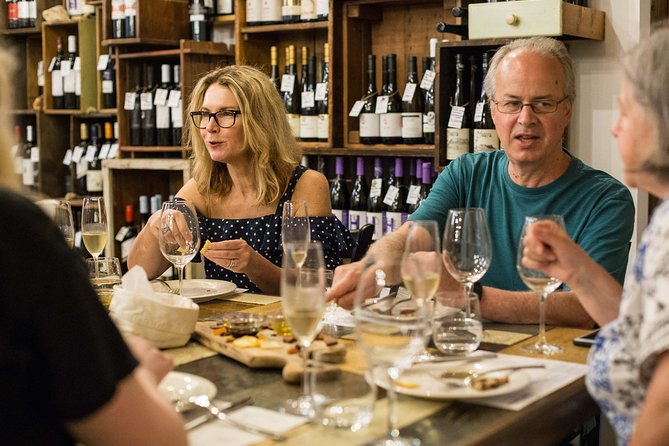
- Communal tables for up to 24 people: Going alone is easy, since you share a table with other participants.
- A 3 p.m. start: It makes a useful afternoon stop, but the fixed time and strict cancellation terms require planning.
Entering Taste Hungary’s vaulted wine cellar
The tasting begins at the Tasting Table Cellar, operated by Taste Hungary, at Bródy Sándor u. 9 in Budapest’s District VIII. You make your own way there for the 3 p.m. start, then return to the same place when the session ends.
The cellar is the star of the opening scene. Its old vaulted ceilings give the room a character that fits the subject. You are not sitting in a generic conference room while someone reads a list of wines. The setting helps connect the glass in front of you with Hungary’s long wine tradition, even though the session also explains the country’s more recent changes.
Seating is at communal tables. I see this as part of the appeal, especially if you are traveling alone or as a couple and enjoy meeting people from elsewhere. It also means you should not expect a private tasting with only your own party. The group can reach 24 people, so the mood may range from quiet and focused to social and festive, depending on the mix.
The activity is offered in English, and the sommelier leads the full session. Past hosts named in the feedback include Sam, Thomas, Tomasz, and Matthew. The exact host can vary, but the format remains the same: five wines, a food board, and plenty of explanation.
More Cheese and Charcuterie Boards in the world:
- Budapest: Wine, Cheese, and Charcuterie Tasting
★ 4.9 · 647 reviews - Full-Day Group Wine Tour (with cheese and charcuterie) in Niagara-on-the-Lake
★ 5.0 · 349 reviews - Tasting of 6 Bordeaux wines and pairing charcuterie & cheese
★ 5.0 · 199 reviews
Five glasses, five ways to understand Hungary
The tasting is built around five generous glasses of Hungarian wine made from local grape varieties. This is a smart number for a 90-minute session. You get enough variety to compare styles without turning the afternoon into a blur of glasses.
The sommelier explains the grapes, the wine regions, and the role of soil. That last point matters because it gives you a way to understand why two wines from the same country can taste so different. Instead of treating Hungary as one wine area, the session shows you that each region and grape brings its own character.
You can ask questions throughout. If you already know wine, you can ask about production and regional differences. If you are new to wine, you can ask the basic questions that often get skipped at formal tastings. The atmosphere is designed for both levels.
The wine selection includes rare or less familiar local bottles, along with Hungarian expressions of grape types you may already recognize. One tasting finishes with Tokaji, a useful reminder that Hungary is not limited to dry table wines. The exact wines may change, which is normal for a tasting based on local producers and seasonal availability.
I would not book this expecting a list of famous international labels. The value is in finding grapes and bottles that broaden your idea of European wine. Several people leave interested in buying bottles for later, and the company can help with wine purchases and delivery to the United States.
The cheese and charcuterie board tells its own story
The food is more than a plate to keep you from drinking on an empty stomach. It introduces Hungary’s renewed small producer food culture after the Communist period.
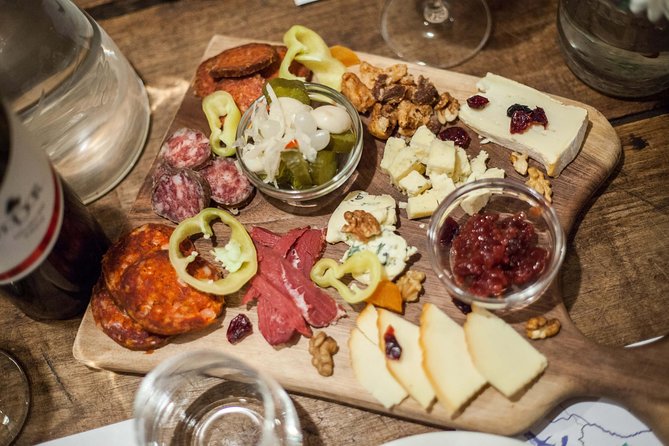
You receive four cheeses and four cured meats, served with fresh artisan bread. Examples include:
- Beef sausage
- Smoked duck breast
- Free-range water buffalo salami
- Mangalica pork sausages
- Local artisan cheeses
Mangalica pork is one of the more distinctive Hungarian specialties, so its appearance gives the board a clear local identity. The smoked duck and water buffalo salami also take the tasting beyond the familiar ham and salami plate you might find anywhere in Europe.
The pairings are handled as part of the wine presentation. The sommelier explains which foods work with which wines, and the combinations help show how acidity, sweetness, smoke, salt, and fat affect the taste in your glass. If you are curious about food and wine but do not want a full restaurant meal, this gives you a useful introduction.
Here is the practical catch: the board is meant for tasting, not for replacing dinner. The quality earns strong praise, but portions can feel light for the price, especially if you arrive hungry. Eat a proper meal earlier or plan dinner afterward. The bread and mineral water help, but this remains a tasting board.
Vegetarians can participate if you notify the company in advance. Alternatives can be prepared, but do not wait until you arrive and expect the meat board to be changed on the spot.
Why the history matters without taking over the afternoon
Hungarian wine can seem unfamiliar because many of its grapes and regional names are not common on restaurant lists abroad. The sommelier fills in the missing background, including how wine and food production changed after the end of Communist rule.
That context gives the cheese and charcuterie a reason to be on the table. You are not simply sampling local products because they sound exotic. You are learning about the return of small scale, artisan production and how modern Hungarian producers are presenting traditional ingredients.
The explanations also cover viticulture and the evolution of grapes in different regions. Some sessions include discussion of soil composition, which adds useful detail for people who want more than a basic tasting script. The best guides keep this information connected to what you are drinking, so the talk does not become a history lecture detached from the wine.
The pacing is generally relaxed. One account describes time set aside to enjoy the food and wine after the explanations, and many people find the 90 minutes comfortable. Still, timing can depend on the group and the next scheduled session. A few people feel hurried near the end, so do not assume the tasting will stretch into several hours just because one session happened to run long.
More Wine and Cheese Tastings in the world:
- Amsterdam: Classic Saloon Boat Cruise with Cheese & Wine
★ 4.6 · 27,035 reviews - Paris: Montmartre Cheese, Wine & Pastry Guided Walking Tour
★ 4.8 · 2,255 reviews - Amsterdam: Evening Candle Light Cruise With Wine & Cheese
★ 4.6 · 1,774 reviews - Amsterdam: Cozy Cheese & Wine Cruise Tasting Experience
★ 4.5 · 1,156 reviews
A closer look at the afternoon schedule
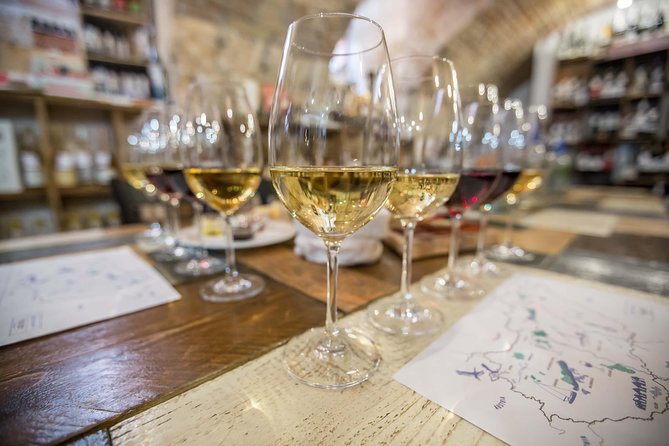
At 3 p.m., you meet at the cellar and settle into the communal room. The sommelier introduces the tasting and sets out the first wine with the cheese and charcuterie board.
The first part usually establishes the basics: Hungarian wine regions, local grapes, and the approach to tasting. This is where you can ask how the wines differ from those you already know. It is also the best time to say that you are vegetarian or that you have a particular interest in dry, sweet, red, or white wine.
The five wines follow as a guided progression. Each glass comes with information about its grape and origin, and the food helps you compare the flavors. You are given tasting sheets for notes, along with a map of Hungarian wine regions. Keep the map. It is a useful souvenir if you later see Hungarian wine on a menu and want to remember where it came from.
The final stage is less formal. You continue tasting, talk with the people at your table, and finish the board and bread. The whole activity is scheduled for about 1.5 hours and ends back at the cellar.
For many people, this is a good first Budapest food activity because it explains what you are consuming rather than simply serving it. You leave with a better chance of recognizing Hungarian grapes and ordering with some confidence at a wine bar or restaurant.
Is $50 a fair price?
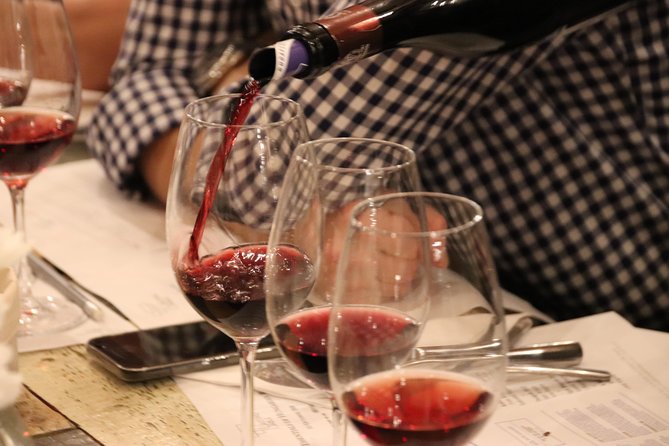
At $50 per person, this is not the cheapest way to drink wine in Budapest. You could certainly buy several bottles for that amount, and a casual bar visit may cost less.
The price makes more sense when you count what is included: five glasses, four cheeses, four cured meats, artisan bread, mineral water, a sommelier, tasting sheets, and a regional map. You are also paying for the cellar, the preparation, and the guidance that turns separate food and wine samples into a lesson.
I consider the value good for someone who wants to understand Hungarian wine. It is less compelling if you mainly want a large meal or unlimited pours. The food board is enough to accompany the tasting, but not enough to serve as lunch or dinner for everyone.
The rating is 4.9 from 531 ratings, with 97 percent recommending it. That strong response fits the experience’s main strengths: an atmospheric room, clear explanations, varied wines, and pairings that feel local rather than generic. The occasional complaints are useful too. Portions can feel small, and a session may feel rushed if the next group is waiting.
Who will enjoy this tasting most?
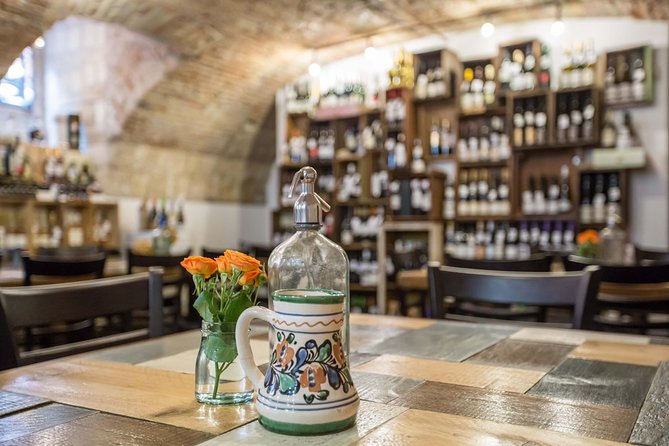
I would recommend it to wine drinkers who want a quick introduction to Hungary before visiting vineyards or buying bottles. It is also a good fit for people who enjoy food history, unusual cured meats, and small producer products.
You do not need to know wine. The sommelier explains the basics, and the communal table makes it easy to compare impressions with other people. Solo visitors can fit in naturally, while couples and small groups get a social afternoon rather than a private lesson.
This is less suitable if you dislike communal seating, want a full meal, or prefer a highly private tasting. It is also not ideal for someone who wants to wander in at any time, since the activity begins at 3 p.m. and confirmation is issued at booking.
The legal drinking age in Hungary is 18, so participants must be at least 18. Most people can take part, and the cellar is near public transportation, though the provided details do not specify a particular transit route.
Practical details that can affect your decision
Book ahead if your Budapest schedule is tight. The tasting is booked an average of 23 days in advance, which suggests that popular dates may fill before your arrival.
The experience is non-refundable and cannot be changed after booking. If the minimum number of participants is not reached and the company cancels, you are offered another date or experience, or a full refund. That makes flexible booking important.
Bring a phone or printed confirmation as needed, since the ticket is mobile. Arrive ready to begin at 3 p.m. rather than treating the start time as a loose suggestion.
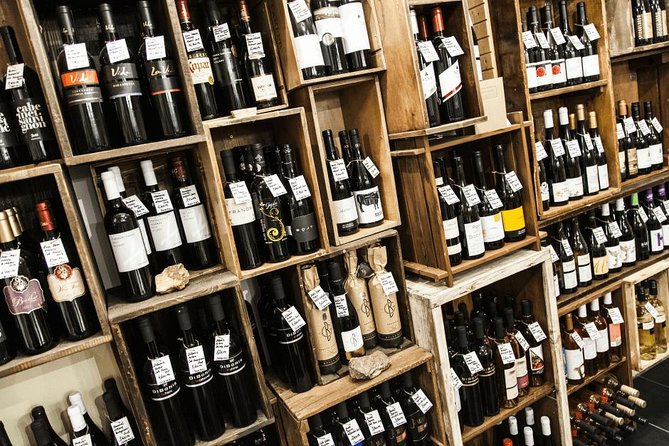
If you want to buy wine afterward, leave room in your luggage plans. Several people become interested in taking bottles home or arranging delivery, which is one of the practical benefits of learning about producers directly from a sommelier.
Should you book the Hungarian wine tasting?
I would book this if you want local wine with useful context, not just a pleasant drink. Five glasses give you a broad introduction, while the cheese and charcuterie show how Hungary’s food traditions are being renewed. The cellar makes the setting memorable, and the English speaking sommelier keeps the session accessible.
I would skip it if your main goal is a substantial meal or generous portions. At $50, the board may feel modest, and the fixed 90-minute schedule does not leave unlimited time for lingering.
For most food and wine fans, this is a strong Budapest afternoon choice. Come after a light meal, tell the company about vegetarian needs in advance, and keep the rest of your evening open for dinner. You will get the most from it if you treat the tasting as a compact introduction to Hungary’s wine country, not as a full meal or a replacement for a vineyard visit.
FAQ
Where does the Hungarian wine tasting take place?
It takes place at the Tasting Table Cellar by Taste Hungary at Bródy Sándor u. 9, 1088 Budapest, Hungary.
What time does the tasting start?
The tasting starts at 3 p.m.
How long does the activity last?
The tasting lasts approximately 1.5 hours.
How many wines are included?
Five glasses of Hungarian wine are included.
What food is included?
You receive four kinds of cheese, four kinds of cured meat, fresh artisan bread, and mineral water.
Is the tasting conducted in English?
Yes. The experience is offered in English and led by a professional sommelier.
Can vegetarians take part?
Yes. Vegetarians are welcome, but you need to notify the company in advance so alternatives can be prepared.
How many people can join the tasting?
The activity has a maximum group size of 24 people, with seating at communal tables.
Can I cancel or change my booking?
The experience is non-refundable and cannot be changed for any reason. If the company cancels because the minimum number of participants is not reached, you are offered another date or experience, or a full refund.
Just added around the world
- Zurich: Lucerne Trip, Igloo Fondue and Titlis Rotair Option★ 4.9 · 5 reviews
- Amsterdam: Zaanse Schans E-Bike Tour with Windmills & Cheese★ 4.5 · 12 reviews
- Zermatt: Outdoor fondue “group experience under the stars”★ 4.7 · 3 reviews
- Zurich Open-top Tour and Chocolate and Cheese Countryside★ 3.5 · 11 reviews
- Wine Tasting with Cured Meats & Cheeses in Florence★ 5.0 · 2 reviews
- Zaanse Schans & Volendam Private Tour: Windmills and Cheese★ 5.0 · 5 reviews
- Wine & Cheese Afternoon Wine Tours in NOTL★ 4.9 · 24 reviews
- Wine, Cheese and Charcuterie tasting★ 4.9 · 17 reviews
Budapest Cheese Tours, compared.
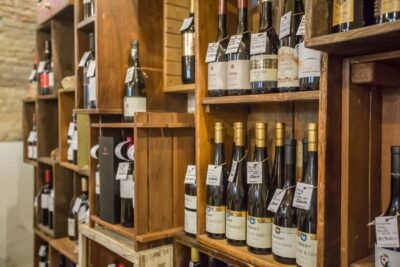
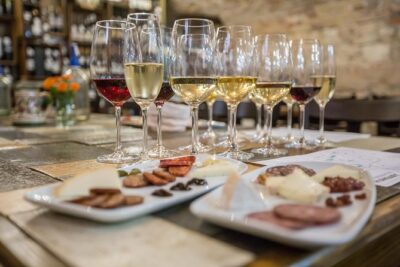
Evening Wine, Cheese, & Charcuterie Tasting in Budapest
Read our review →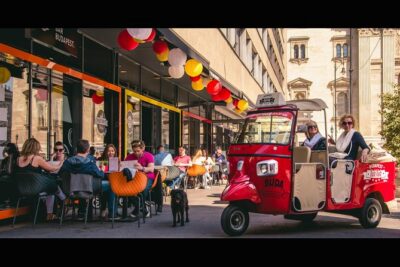
Budapest Private Tuk Tuk Tour with Wine Tasting and Cheese Platter
Read our review →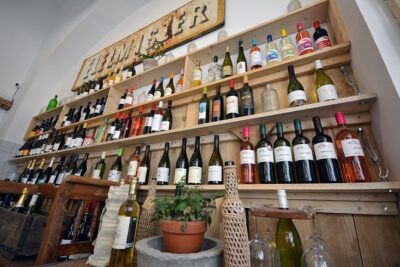
Budapest Wine Bar Tour with Sausage and Cheese Charcuterie
Read our review →Browse the lists this tour appears in