
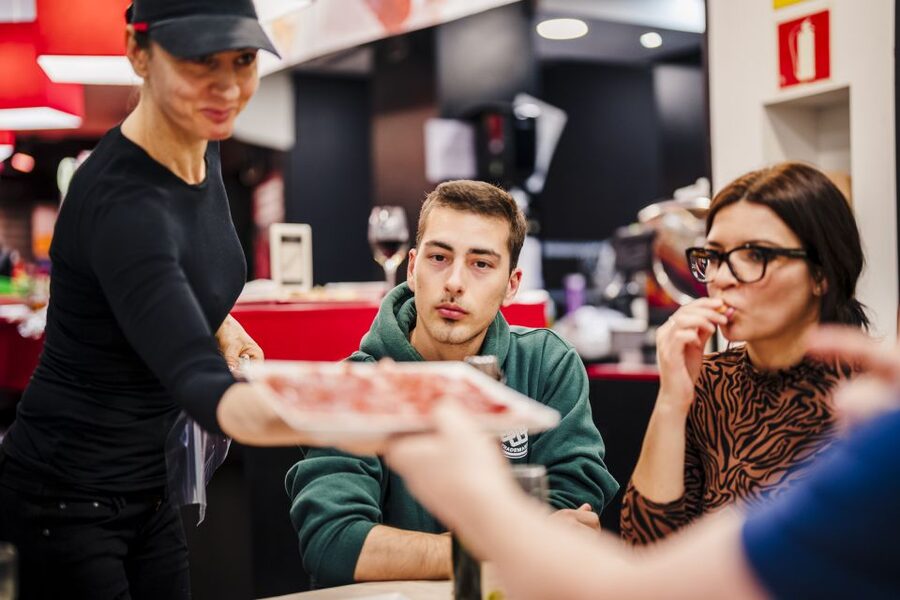
REVIEW · SPAIN
Jamón Experience Master Plus: Ham, Wine & Cheese Tasting
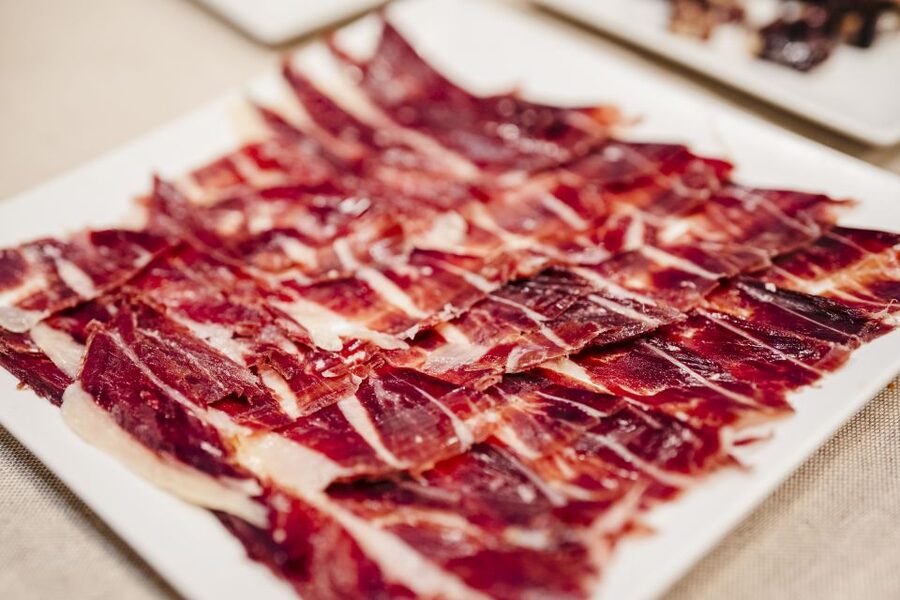
The best thing about this tasting is the side-by-side comparison. You move from Gran Reserva and Ibérico de Cebo to the prized 100% Bellota, so you can taste how breed, feed, curing, and climate change the ham in your glass and on your plate. It is not just a plate of slices with a quick explanation attached.
I like the private-group format, which gives the Master Ham Cutter room to answer questions and adjust the pace. I also like the Sagrada Familia location. You can pair a major Barcelona sight with a focused food experience without crossing town. Guides named Juan, Diego, Cynthia, Veronica, and Verniqua have led sessions here, though your guide will depend on the date.
The main consideration is timing. The activity is listed as one hour, while the tasting description and several accounts put it closer to 90 minutes. If you have a tight Sagrada Familia entry slot, leave breathing room. Pregnant visitors should also note that this activity is not suitable for them.
Key points at a glance
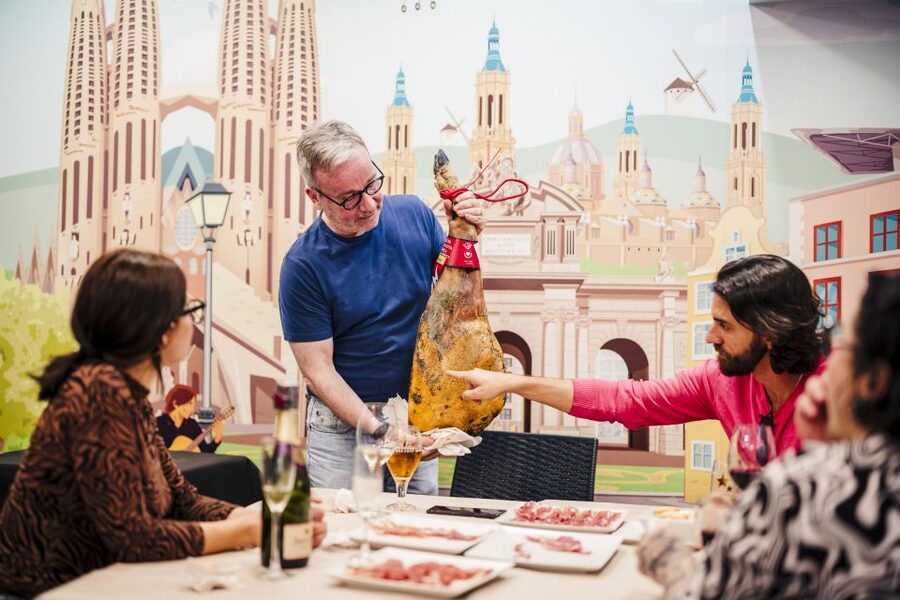
- Seven distinct hams: Compare Gran Reserva, Ibérico de Cebo, Cebo de Campo, several Bellota styles, and 100% Bellota.
- Three cheeses with a clear progression: Mild Mató, medium Catalan Garrotxa, and strong Ronkari give the tasting a useful range.
- Three Spanish wine styles: Cava, white wine, and red wine are served to show how different drinks work with ham and cheese.
- A guide who cuts and explains: The Master Ham Cutter covers pig breed, diet, curing, origin, and climate rather than simply naming each sample.
- A smart Sagrada Familia pairing: The shop is at carrer de la Marina 261, just next to the basilica.
- A private tasting with language choice: Sessions are offered in English, Spanish, or Italian, with wheelchair access available.
What the Jamón Experience Master Plus is really about
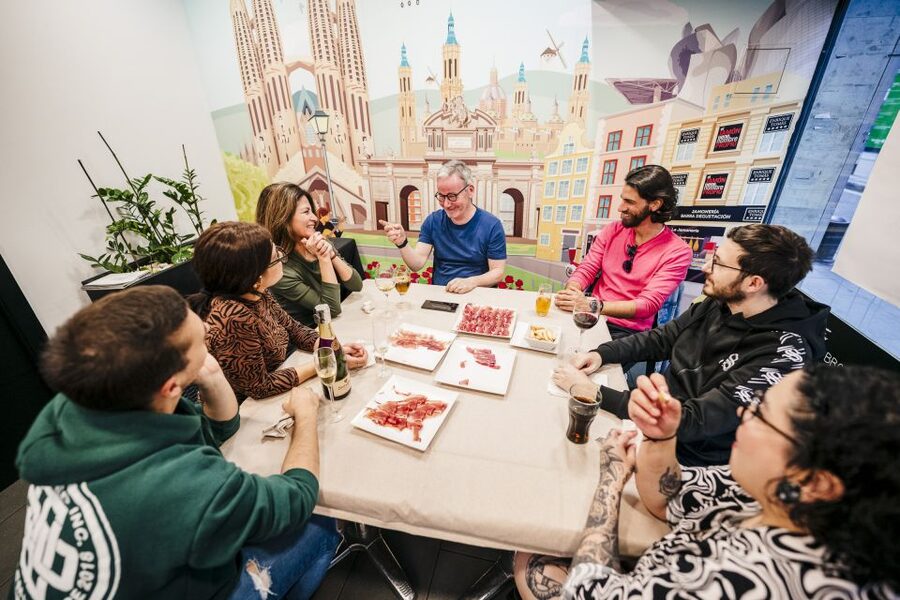
This is a tasting lesson built around contrast. Seven samples may sound excessive for a one-hour activity, but that range is the point. Iberian ham is not one single product, and the labels can be confusing if you only see them on a shop shelf.
Your guide explains the difference between the samples as you taste. Breed matters, but so do the pig’s diet, the curing process, and the local climate. The result is a practical way to understand why one slice may taste cleaner and milder while another has a fuller, more persistent flavor.
The lesson is led by a professional Master Ham Cutter. That title matters because slicing is part of the experience, not just a bit of theater. The cut affects the bite, and a trained cutter can present each ham in a way that makes its texture easier to compare.
You are not booking a ham-carving course, though. The included activity is a guided tasting, and a separate carving lesson is not part of the price. If your main interest is learning to handle a leg of ham yourself, this is the wrong product. If you want a guided introduction to Spanish ham, it fits much better.
More Wine and Cheese Tastings in Spain
- Tacoronte: Guided Winery Tour with Wine and Cheese Tastings
★ 4.6 · 481 reviews - Tenerife Bodegas Monje Winery Tour with Wine and Cheese Tasting
★ 4.5 · 121 reviews - Visit and wine tasting with sausage and BODEGA PIRINEOS cheese
★ 5.0 · 73 reviews
The seven-ham progression
The tasting begins with Gran Reserva, giving you a reference point before the Iberian samples arrive. From there, the sequence moves through Ibérico de Cebo and Ibérico de Cebo de Campo. These names reflect how the pigs are raised and fed, and the comparison helps you understand why ham labels carry so much information.
Next come several Bellota examples:
- Jamón Bellota 50%
- Paleta Bellota 50%
- Taquitos Bellota 50%
- Bellota 100%
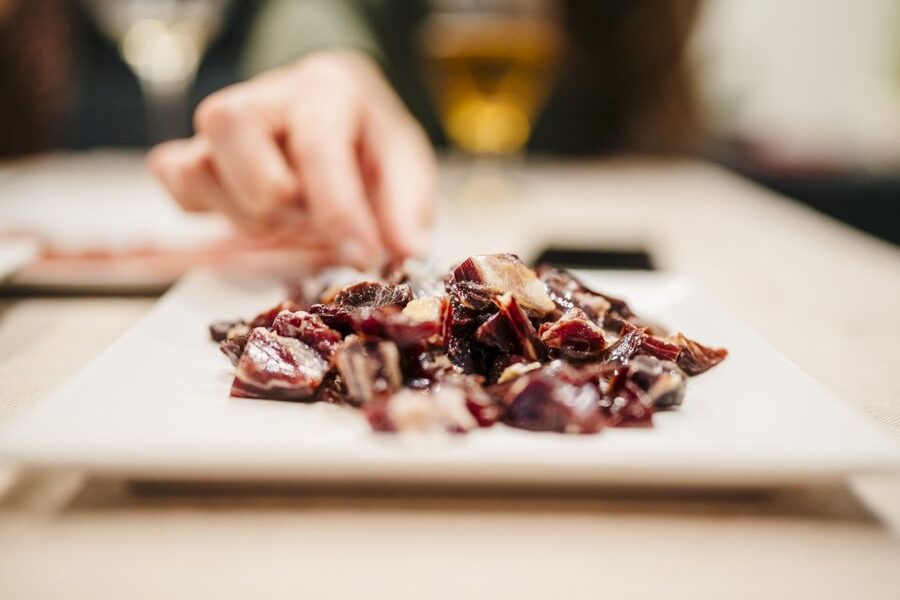
The differences are not limited to quality grade. Jamón comes from the hind leg, while paleta comes from the front shoulder. Taquitos are small pieces rather than the classic thin slices, so the texture and way of eating change again.
The 50% Bellota samples provide a useful bridge to the final 100% Bellota ham. That last tasting is the high point for many people because it shows the top end of the progression. You can judge it against everything that came before instead of tasting it in isolation and simply being told that it is special.
I appreciate that the lineup includes both traditional slices and taquitos. You get more than a sequence of similar-looking plates. You see how the cut and source affect the eating experience. The amount served can also be generous. One private session resulted in enough ham for the couple to take some with them, although you should not assume every group will receive leftovers.
The cheese course gives your palate a reset
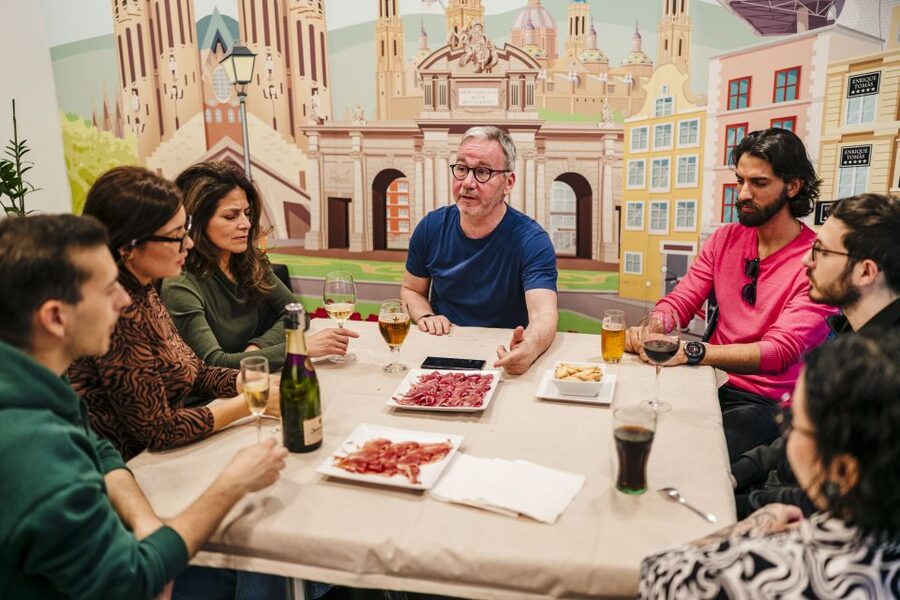
Three Spanish cheeses accompany the ham. They are arranged from mild to strong, which makes the order easy to follow.
Mató is the mild choice. Catalan Garrotxa brings more character in the middle. Ronkari is the strongest of the three. That progression gives you a simple way to notice how cheese changes the balance of salty, savory ham.
Cheese is also useful here because it prevents the tasting from becoming a long parade of similar flavors. After several ham samples, a milder cheese can refresh your palate. The stronger cheese gives the wine something firmer to work against.
Breadsticks and water are included. Those details are basic, but they matter during a concentrated tasting. Water helps you reset between samples, and breadsticks give you something neutral alongside the richer foods.
Extra dishes and drinks are not included. If you want to turn the session into a larger meal, plan to pay for additions separately. The core menu is built for tasting and comparison, not for replacing lunch or dinner.
Cava, white wine, and red wine
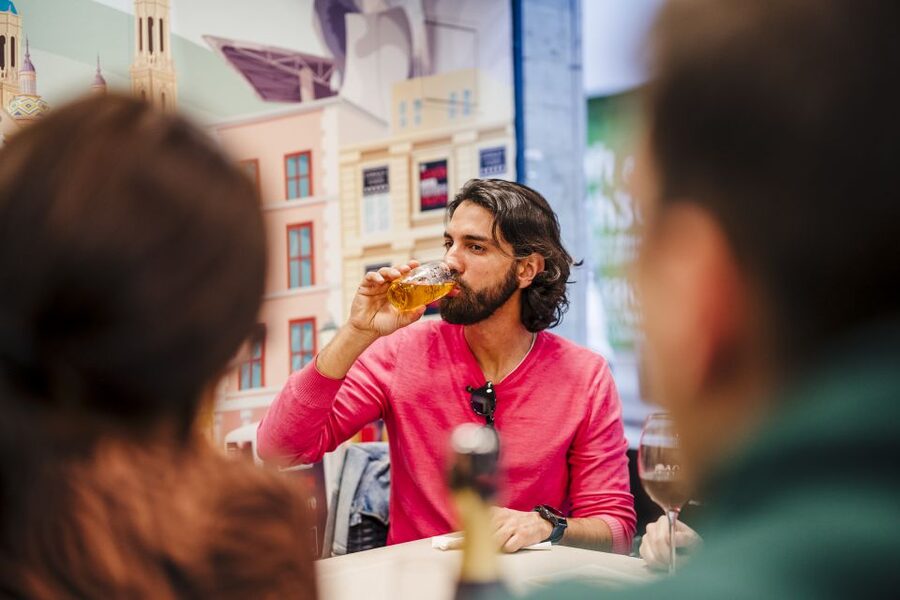
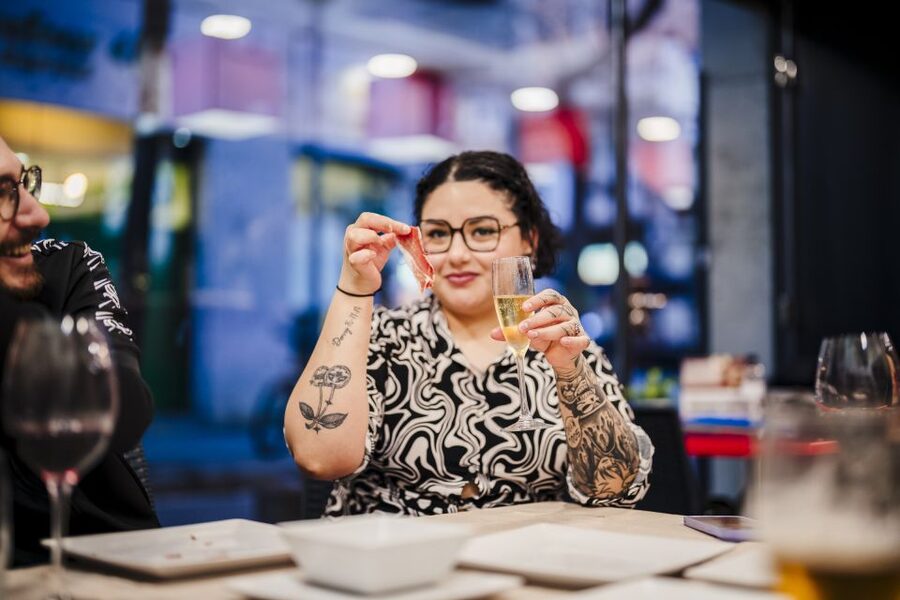
The wine pairing includes cava, Spanish white wine, and Spanish red wine. This gives the session a wider range than a single bottle would.
Cava brings freshness and bubbles, making it a natural partner for salty ham and a useful opening drink. The white wine changes the feel of the tasting without adding the weight of a red. The red offers a fuller contrast for the stronger ham and cheese.
The experience does not present wine as a separate subject. Instead, you taste how each style interacts with the food. That is valuable if you often buy Spanish ham but are unsure what to serve with it at home.
Water is included as well. You should use it between combinations rather than trying to rush through every pairing. With seven hams, three cheeses, and three wine styles, a slower pace will make the differences easier to notice.
Pregnant visitors cannot take part, so this is not a suitable choice for anyone avoiding alcohol or cured ham. The activity information specifically lists pregnancy as a restriction.
Same region, a different board:
- Guided Visit to the Estrella Galicia Museum with Cheese Pairing
★ 5.0 · 218 reviews - Fuerteventura: Artisan Goat’s Cheese Making at Local Farm
★ 4.9 · 112 reviews - Menorca: Guided visit to the Subaida cheese factory,
★ 4.5 · 96 reviews - Sangria Workshop and Tasting with Local Cheese
★ 5.0 · 86 reviews
Why the Sagrada Familia location works
The meeting point is Enrique Tomás Sagrada Familia, Jamonería Gourmet, at carrer de la Marina 261. It is only a few steps from the Sagrada Familia, making the location unusually useful for a sightseeing day.
You can schedule the tasting before or after your basilica visit. One practical option is to place it after your timed entry, since the tasting length may be closer to 90 minutes than the one-hour duration shown in the activity details. If you schedule the food session first, leave enough time to reach your Sagrada Familia entry slot.
The shop setting also suits the subject. This is not a bus tour or a large restaurant event. You are visiting a gourmet ham store for a guided session, so the products being discussed are part of the setting around you.
There is no Sagrada Familia admission included. You need a separate ticket if you want to visit the basilica. That separation is helpful because you can book the tasting around your own sightseeing plans, but do not treat the food booking as an entrance reservation.
The guide makes the difference
The guide is the main reason to choose this over an unstructured shop tasting. A Master Ham Cutter can explain what is on the plate while presenting it in the right order.
Juan has led a session with a warm, engaging style and a strong command of the food’s history. Diego has guided a roughly 90-minute progression from Serrano to 100% Iberian ham, accompanied by a bottle of cava. Cynthia has explained the pigs, regions, and standards behind Ibérico in a way that suits visitors who want more than a quick sample. Veronica has also led a private class, and Verniqua has been praised for both the tasting and the information provided.
Those names are useful because they show the type of guide you may meet, but they do not guarantee who will lead your session. The listed languages are English, Spanish, and Italian. If you want technical detail, ask questions as you go. A private format should give you more room to focus on the parts that interest you most, from pig diet to curing time.
How long does it take?
The formal duration is listed as one hour. The detailed description calls it a 90-minute tasting, and several sessions have also lasted about 90 minutes or an hour and a half.
I would plan for the longer figure. That approach keeps your day comfortable and avoids the common mistake of booking a basilica entry immediately afterward. Food tastings often run a little longer when the group asks questions, and this experience is designed around explanation rather than quick service.
The actual time may depend on the guide, the group, and the pace of the tasting. Since the group is private, you may move quickly if you already know Spanish ham, or take longer if you want to discuss every label.
Is $105 a fair price?
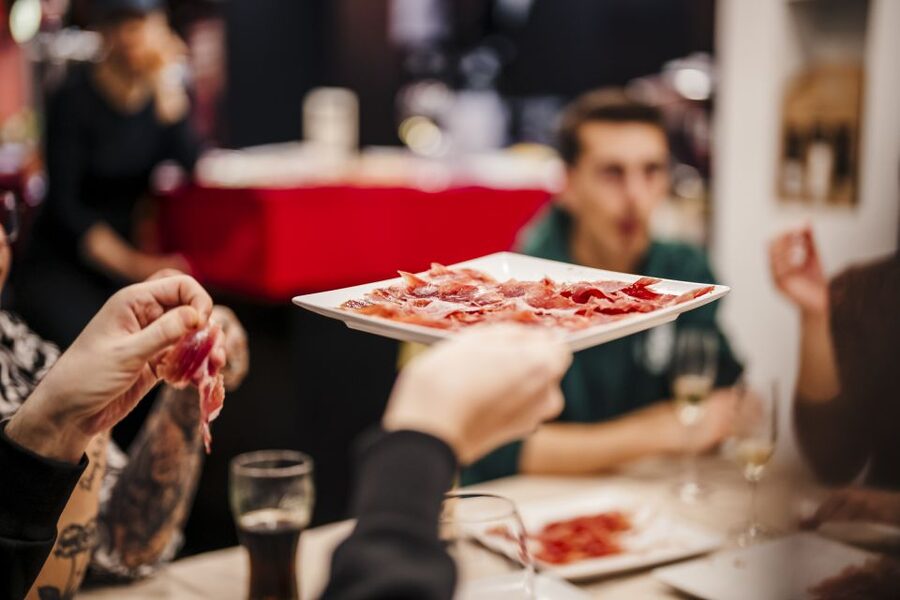
At $105 per person, this is not a cheap snack stop. You are paying for a guided, private tasting with seven ham types, three cheeses, three wine styles, water, breadsticks, and the time of a professional cutter.
The value improves if you are curious about Spanish food and would otherwise spend money trying to compare premium products on your own. Seven ham styles are difficult to sample in a normal restaurant meal, and the guide supplies the context that turns an expensive plate into a lesson.
The price is less attractive if you mainly want a quick taste of Iberian ham. You may prefer buying a smaller portion at a shop or ordering ham with a drink elsewhere. You also do not get a carving course, extra dishes, extra drinks, or Sagrada Familia admission.
For a couple celebrating a birthday or marking a special trip, the private format gives the price more weight. One session was arranged as a 50th birthday gift, and the tasting worked well as a food-centered event rather than just a stop between attractions.
Who should book this tasting?
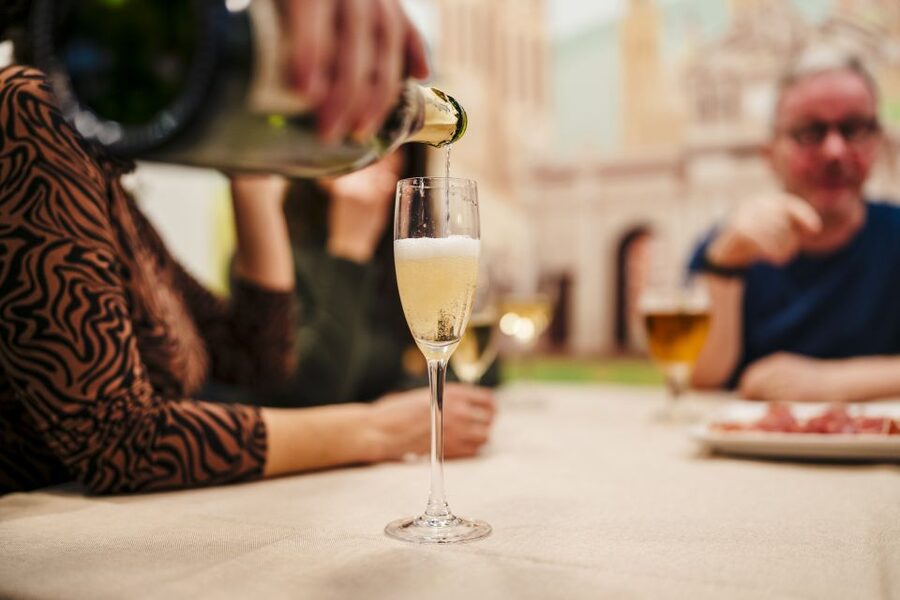
I would recommend it to food-focused visitors who want to understand Spanish ham instead of simply checking it off a list. It is also a good fit for couples, small private groups, and anyone planning a Sagrada Familia visit.
It suits beginners because the progression starts with more familiar categories and moves toward 100% Bellota. It also suits experienced food lovers because the lineup includes details that are easy to miss, such as the difference between jamón, paleta, and taquitos.
The activity is less useful for someone who wants a full meal, a cooking class, or a lesson in carving a whole ham. It is also not suitable during pregnancy. If you do not drink wine, much of the pairing element will lose its purpose, even though water is provided.
Wheelchair access is available. The private-group format may also appeal to anyone who prefers a quieter, more focused session than a large public tasting.
Booking details worth knowing
The meeting point is Enrique Tomás Sagrada Familia, Jamonería Gourmet, carrer de la Marina 261. Sessions are available in English, Spanish, and Italian.
You can cancel up to 24 hours before the activity for a full refund. The reserve-now, pay-later option can help if your Barcelona schedule is still moving around.
The listed price is $105 per person. Extra food and drinks cost more, and the Sagrada Familia ticket is separate. Check the start time carefully, then leave at least a little extra space around the tasting because the stated duration ranges from one hour to about 90 minutes.
Should you book it?
Book it if you want a guided comparison of Spanish ham and you value having the Sagrada Familia right outside the door. The range of seven hams, three cheeses, and three wines gives you a real sense of progression, while the private format lets you ask questions instead of standing in a crowded sample line.
Skip it if you only want a fast snack, need a full meal, or hope to learn ham carving. At $105, the experience earns its price through the number of samples, the professional guide, and the explanation behind each product. For a curious food lover with room in the budget, it is a focused and memorable Barcelona stop.
FAQ
Where does the tasting take place?
It takes place at Enrique Tomás Sagrada Familia, Jamonería Gourmet, at carrer de la Marina 261, right next to the Sagrada Familia in Barcelona.
How many types of ham are included?
Seven types are included: Gran Reserva, Ibérico de Cebo, Ibérico de Cebo de Campo, Jamón Bellota 50%, Paleta Bellota 50%, Taquitos Bellota 50%, and Bellota 100%.
Which cheeses are served?
The tasting includes Mató as the mild cheese, Catalan Garrotxa as the medium cheese, and Ronkari as the strong cheese.
What wines are included?
You receive a selection of Spanish wines that includes cava, white wine, and red wine.
Is the tasting led by a professional?
Yes. A professional Master Ham Cutter leads the tasting and explains the ham’s origins, curing methods, breed, diet, and climate influences.
How long does the experience last?
The activity details list one hour, while the tasting description and several sessions indicate about 90 minutes. Allow up to 90 minutes when planning your day.
Which languages are available?
The live guide can lead the experience in English, Spanish, or Italian.
Is the activity private?
Yes. The group type is listed as private.
Is the tasting wheelchair accessible?
Yes, the activity is listed as wheelchair accessible.
Is entrance to the Sagrada Familia included?
No. The tasting is near the Sagrada Familia, but admission tickets to the basilica are not included.
Can pregnant women participate?
No. The activity is listed as unsuitable for pregnant women.
Just added around Spain
- Cheese Factory Workshop with Wine Tasting in Requena, Valencia★ 4.5 · 3 reviews
- Guided Tour Montesdeoca Cheese Factory – Cheese and Wine Tasting★ 4.5 · 6 reviews
- Hike the Cork Oak trail and try some Delicious Cheese★ 5.0 · 12 reviews
- Private Basque Cheese & Txakoli Wine Tour from San Sebastian★ 5.0 · 20 reviews
- Discover the Art of Idiazabal Cheese in the Basque Country★ 4.5 · 9 reviews
- Menorca: Cheesemaking and Farm-Fresh Product Tasting★ 5.0 · 29 reviews
- Mallorca Wine and Cheese Tasting★ 5.0 · 29 reviews
- Madrid Bike Tour with Churros and Wine, Ham, and Cheese Upgrade★ 5.0 · 8 reviews
Spain Cheese Tours, compared.
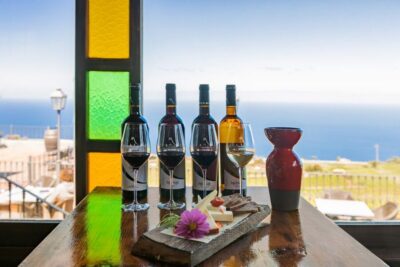
Guided Winery Tour with Wine and Cheese Tastings
Read our review →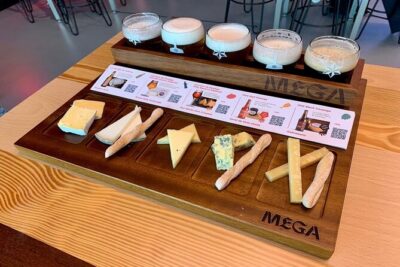
Guided Visit to the Estrella Galicia Museum with Cheese Pairing
Read our review →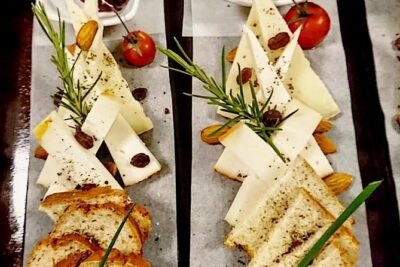
Tenerife Bodegas Monje Winery Tour with Wine and Cheese Tasting
Read our review →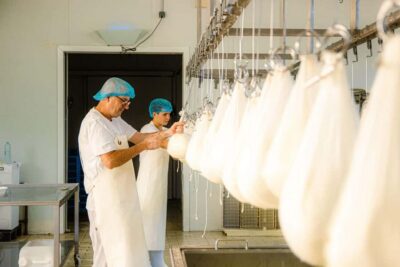
Menorca: Guided visit to the Subaida cheese factory,
Read our review →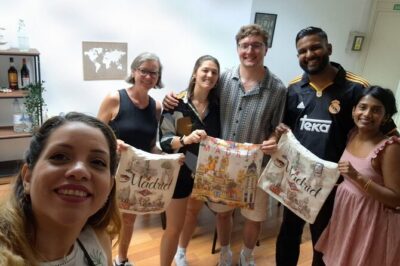
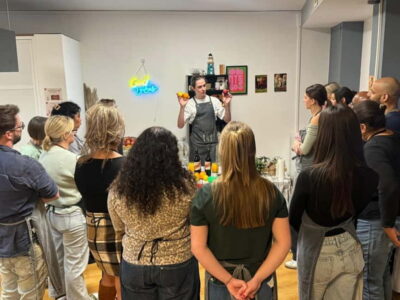
Central Madrid: Sangría Workshop & Tasting with Local Cheese
Read our review →
Visit and wine tasting with sausage and BODEGA PIRINEOS cheese
Read our review →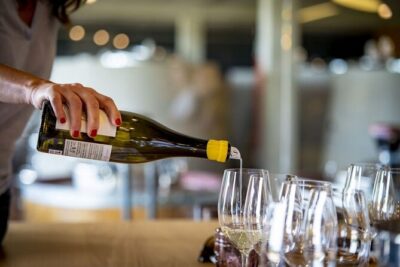
Santiago de Compostela: Cheese and Wine Tasting Experience
Read our review →Browse the lists this tour appears in