REVIEW · FLORENCE
Florence: Mozzarella Cheese Making with Wine and food Tastings
Fresh curds are the star here. In about two hours, you’ll turn them into bocconcini, nodini, treccine, burrata, and stracciatella, with Jess and Giuseppe guiding each step. I like the small maximum of 12 people, and I like that you eat the results with wine, meats, bread, and other Italian dishes instead of simply packing up your cheese and leaving.
The other strong point is the range of tastes, from stracciatella with bottarga and lemon zest to organic and conventional wines. The main drawback is the strict booking policy: this experience is non-refundable and cannot be changed, so you need to be certain before paying.
Key details at a glance
- Hands-on cheese shaping: Make several forms of fresh mozzarella, not just one simple ball.
- Burrata and stracciatella included: You learn the creamy styles that are harder to find at their best outside Italy.
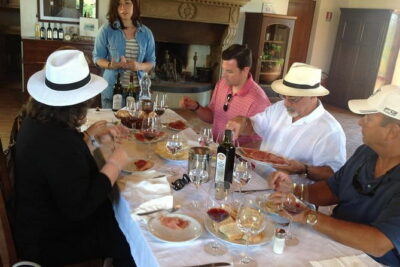
- A proper food finish: Expect wine, meats, bread, tomatoes, lasagna, and cheese made during class.
- Small English-language group: The maximum is 12 people, with instruction from Jess and Giuseppe.
- Central Florence meeting point: Meet at Via de’ Ginori 55 R, then finish at the same address.
- Good for food-focused visitors: Vegetarian and gluten-free options are available if requested ahead of time.
Turning curds into real mozzarella in Florence
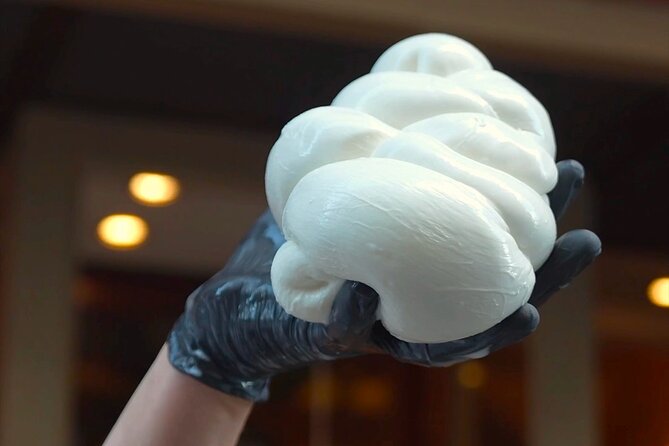
This is not a demonstration where you sit back and watch a chef work. The point is to handle the cheese yourself. Fresh curds are transformed into smooth, springy mozzarella, and you get to shape the result in several traditional forms.
That matters because mozzarella is often treated as one thing. Here, you see how the same basic cheese can become small bocconcini, looped nodini, braided treccine, burrata, or soft stracciatella. Each shape has a different feel and a different place on the table.
The class takes place at a rustic-chic location in Florence’s city center. You meet the chef directly outside at Via de’ Ginori 55 R, 50123 Firenze. The activity ends back at the same point, so you do not need to arrange a second pickup or find your way across town after eating.
Instruction is offered in English. Jess and Giuseppe explain the process as you work, and the class is designed for people who may have little or no cooking-class experience. You do not need to be an accomplished cook to take part. The practical work is the attraction, and the step-by-step format keeps it approachable.
More Cheese Making Workshops in Italy
- Florence: Mozzarella Making Workshop with Wine Tasting
★ 4.9 · 54 reviews - Sorrento Half-Day Farm Experience: Pizza, Cheese Making and Wine
★ 5.0 · 17 reviews - Dolianova: visit and workshop in a cheese factory
★ 4.8 · 11 reviews
From bocconcini to burrata and stracciatella
The most interesting part is the range of cheese styles. You begin with mozzarella forms that are relatively easy to recognize, then move toward the softer and creamier preparations.
Bocconcini are small mozzarella pieces, handy for eating and sharing. Nodini are tied into little knots, while treccine are braided. These shapes are not just decoration. They show how handling, stretching, and forming affect the final look and texture.
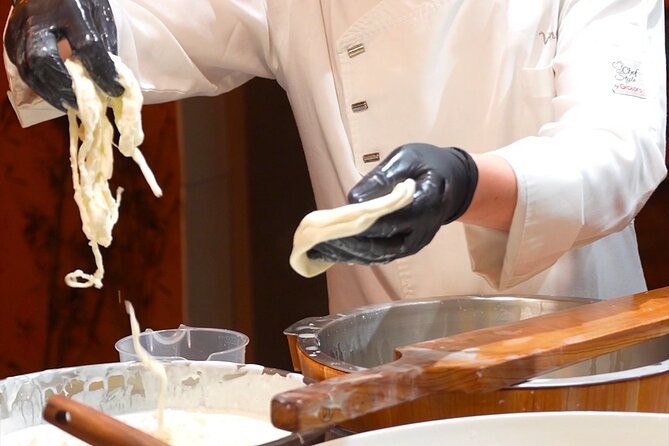
Burrata brings a different lesson. Its outer shell holds a softer filling, giving you a contrast between a firm exterior and a creamy center. Stracciatella is even more delicate, made from fine strands of cheese with cream. It is the part most likely to disappear quickly from the bowl.
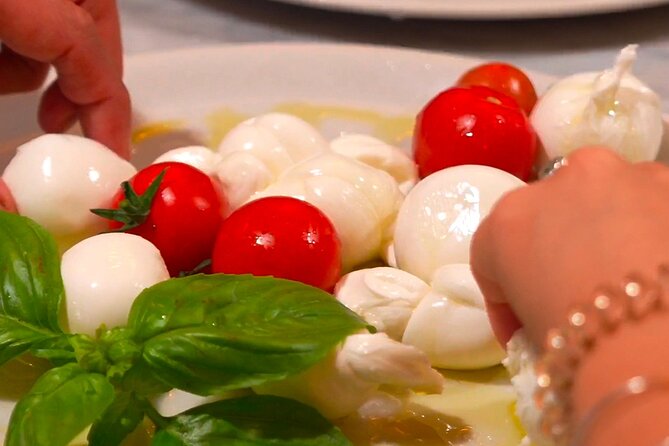
The class also includes less expected pairings. Stracciatella with bottarga and lemon zest brings salt, cream, and citrus together in one bite. That combination gives the cheese a sharper edge than the usual tomato and basil treatment, and it shows how fresh dairy can work with stronger Italian ingredients.
A useful point for first-time participants is that fresh mozzarella can surprise you. The texture is silkier and more springy than many packaged versions, and the flavor is cleaner. The class makes that difference clear because you taste the cheese almost as soon as you make it.
Prosecco first, then a full tasting table
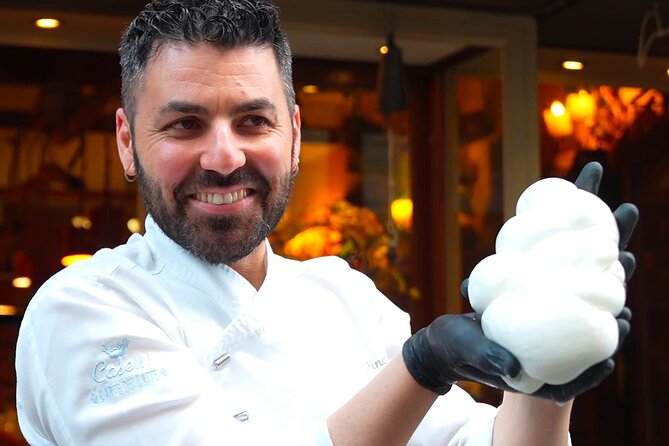
You start with a cold glass of Prosecco. It is a small touch, but it sets the tone well. You are not walking into a formal culinary exam. You are beginning a social food session with something sparkling in hand.
The wine element continues after the cheese work. You taste both organic and conventional wines, which gives you a chance to compare styles instead of being handed one glass and told it is the perfect match. You can sip, assess, and choose the bottle or style you prefer.
The food goes beyond a few cubes of cheese. The finishing spread has included meats, lasagna, bread, tomatoes, and the mozzarella you have just shaped. That makes the $75.69 price easier to assess. You are paying for instruction, several preparations, wine, and a meal-like tasting, not only for a short lesson.
You also get to take the remaining cheese home. The exact amount will depend on what you make and eat during the session, but this gives the class a useful souvenir. It is more personal than another jar of pasta sauce from a shop because you handled and shaped it yourself.
Why the small group size matters
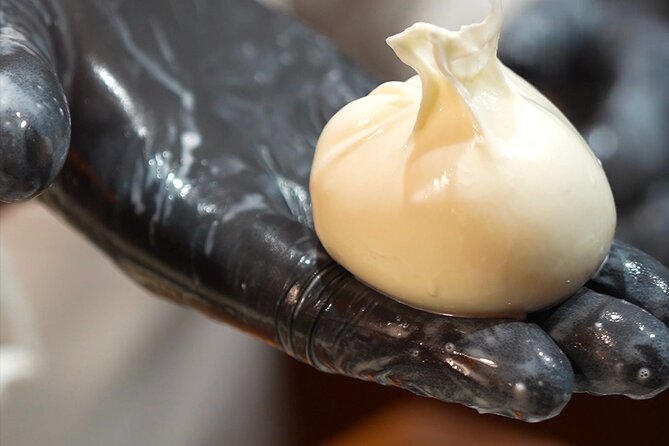
The maximum group size is 12. That is small enough to make hands-on instruction practical, though it is not the same as a private lesson. You may still share work space and wait briefly while the instructor moves around the group.
The size works best for people who want to ask questions. Jess and Giuseppe explain the process and respond to individual concerns, including questions about technique and food in Florence. Their willingness to offer Florence suggestions adds value if this is one of your first days in the city.
The atmosphere is described as relaxed, with music, laughter, and plenty of food. That may appeal to couples, friends, and solo visitors who like meeting people through a shared task. It may be less suitable if you want a quiet, highly formal class with a strict culinary-school feel.
Because the activity is in English, you can follow the instructions without depending on translated notes. Confirmation arrives at booking, and the mobile ticket makes the practical side simple. Public transportation is nearby, so the central location is manageable before or after sightseeing.
More Wine and Cheese Tastings in Italy
- Florence Food Tour of 10+ Authentic Tastings with Cheeses & Wines
★ 5.0 · 155 reviews - Exclusive Emilia-Romagna,Parmigiano, Prosciutto, Balsamic, Wine
★ 5.0 · 38 reviews - Wine & cheese Lover’s Paradise in hart of Florence
★ 5.0 · 21 reviews - Emila-Romagna: Parmigiano, Prosciutto, Wine & Balsamic Tour
★ 4.9 · 18 reviews
A closer look at the two-hour schedule
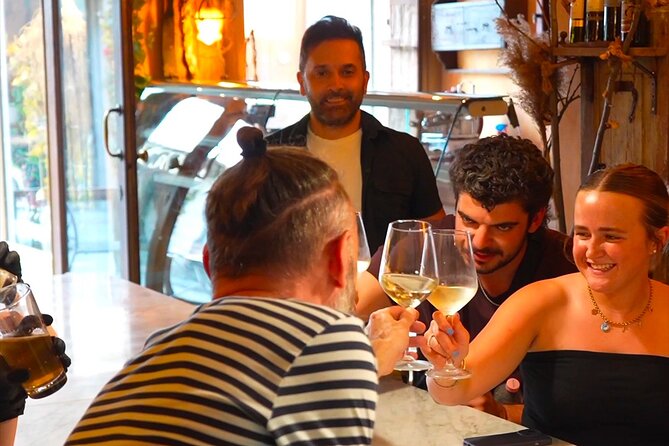
The full experience lasts about two hours. The opening Prosecco and introduction lead into the cheese-making work, followed by tastings and wine. The pace is fairly full, which is good for anyone with limited time in Florence.
The first stage focuses on the curds and the basic method. You learn how the cheese changes as it is worked, stretched, and shaped. This is where patience matters. Mozzarella may look simple on a plate, but getting the texture right depends on timing and handling.
Next comes the shaping. You make several forms rather than repeating the same ball. That variety keeps the class active, and it gives you a better idea of how Italian cheese makers use one product in different ways.
The creamy preparations follow. Burrata and stracciatella require a gentler touch, and the contrast with the firmer mozzarella is part of the fun. The instructors share kitchen tips and methods connected with the Simbiosi kitchen, giving the class a practical link to the food served at the venue.
The final stretch is built around eating and drinking. You taste the cheese with selected foods and wines, compare organic and conventional bottles, and enjoy the broader spread. Since the class ends at the meeting point, you can leave carrying any cheese you have saved for later.
The price: good value for a food-centered afternoon
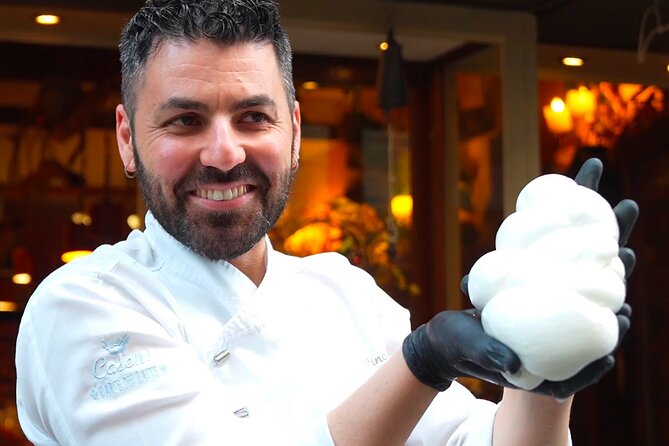
At $75.69 per person, this is not the cheapest cooking activity in Florence. It can still be fair value if you want a combined lesson, tasting, and meal rather than a simple market visit or short sample session.
The price includes more than the cheese itself. You receive instruction in multiple mozzarella forms, Prosecco, a guided wine tasting, food pairings, and a substantial table that may include meats, lasagna, bread, tomatoes, and your own cheese. You also leave with remaining cheese, subject to how much is consumed during the class.
I would compare it with the cost of a good lunch plus a separate cooking class. If you would happily pay for both, this format makes sense. If you mainly want a large meal or a bottle of wine, you may find less value because the practical cheese-making work is the central purpose.
The class also has a strong learning payoff. Afterward, you understand more clearly why fresh mozzarella feels different from commercial cheese. That knowledge can improve your choices at markets, cheese counters, and restaurants during the rest of your time in Italy.
Who will enjoy this class most
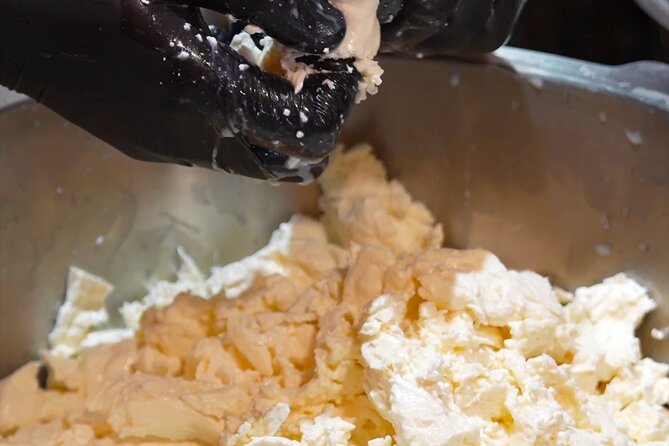
This is a natural fit for cheese lovers and people who like cooking with their hands. You do not need previous experience, and the instructors explain the process clearly. The range of shapes gives experienced home cooks something to focus on, while beginners can enjoy the quick progress from curds to finished cheese.
Couples can treat it as a shared activity, and friends can make a meal of it. Solo visitors may also find the small English-speaking group an easy setting for conversation. The food and wine give everyone something to discuss, even if the cheese-making skills vary.
It is also a good choice for a short Florence stay. At two hours, it takes less time than a full-day food tour and returns you to the same central location. You can fit it around museums, shopping, or a walk through the historic center.
Vegetarian and gluten-free arrangements are available, but you need to notify the provider in advance. That is important because the food table includes items such as meats, bread, and lasagna. Ask before arrival rather than hoping the kitchen can adjust everything on the spot.
Points to consider before booking
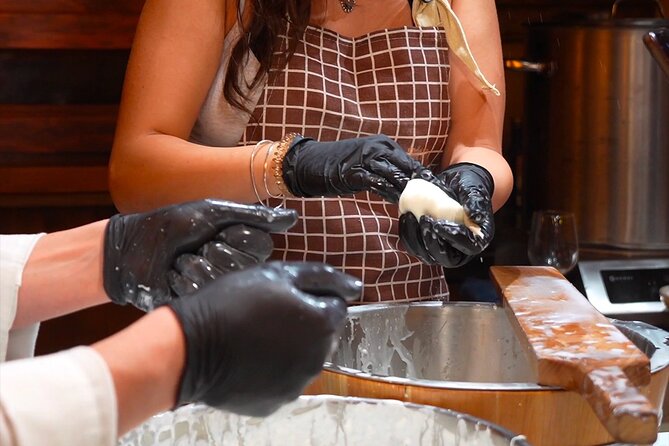
The strict cancellation rule deserves attention. This activity is non-refundable and cannot be changed for any reason. Do not book it until your Florence schedule is firm.
The class is also more social than private. A maximum of 12 keeps the group manageable, but you will not have the instructor entirely to yourself. If you prefer a private lesson, this may not be the right format.
The two-hour duration is another factor. It is long enough to learn several shapes and enjoy a tasting, but it is not a full professional cheese-making course. You will leave with a useful introduction and practical memories, not a qualification or a complete study of dairy production.
Finally, the experience focuses on mozzarella and related fresh cheeses. If you want a broad lesson covering pasta, gelato, sauces, or Tuscan market shopping, choose a different class. Here, the narrow focus is exactly what gives the activity its character.
My recommendation for booking
I would book this if you want a hands-on food activity with a real meal at the end. The strongest reasons are the chance to make several cheese styles, the small group, the patient instruction from Jess and Giuseppe, and the combination of Prosecco, wine, and Italian food.
I would skip it if your schedule is uncertain, you dislike group cooking, or you are looking only for a quick tasting. Check the non-refundable policy carefully, request vegetarian or gluten-free arrangements in advance, and arrive ready to work with your hands.
For the right person, this is a cheerful and useful way to spend two hours in Florence. You learn why fresh mozzarella tastes so good, eat what you make, and leave with cheese for later. That is a better souvenir than another crowded photo stop.
FAQ
Where does the mozzarella-making experience take place?
Meet at Via de’ Ginori, 55 R, 50123 Firenze FI, Italy, in central Florence. The activity finishes back at the same meeting point.
How long does the experience last?
The activity lasts approximately two hours.
Is the class offered in English?
Yes. The experience is offered in English.
How many people can join the class?
The maximum group size is 12 people.
What cheeses will I learn to make?
You will work with fresh mozzarella and make forms including bocconcini, nodini, treccine, burrata, and stracciatella.
Is food and wine included?
Yes. The experience begins with Prosecco and includes a guided tasting of organic and conventional wines, along with food such as meats, lasagna, bread, tomatoes, and the mozzarella you make.
Can I request vegetarian or gluten-free options?
Yes. Vegetarian and gluten-free arrangements are available if you notify the provider in advance.
More Cheese Making Workshops in Florence
- Paris Cheesemaking Workshop including Wine and Cheese Tasting with an Expert
★ 5.0 · 141 reviews - Dijon: Cheese and Burgundy Wine Tasting Workshop
★ 4.8 · 122 reviews - Fuerteventura: Artisan Goat’s Cheese Making at Local Farm
★ 4.9 · 112 reviews - Troodos Mountains Halloumi Making: All Inclusive Workshop & Tour
★ 5.0 · 109 reviews
More Mozzarella and Buffalo Cheese Tours in Florence
- Cooking class with Pasta, mozzarella and Tiramisu with wine
★ 5.0 · 549 reviews - Amalfi: Make Fresh Pasta, Mozzarella & Tiramisù with wine
★ 5.0 · 503 reviews - Amalfi: Make Fresh Pasta, Mozzarella, & Tiramisù with Wine
★ 5.0 · 305 reviews - Mozzarella Experience – Cheese Tour and tastings to Masseria Fragnite
★ 5.0 · 266 reviews
Just added around Florence
- Wine Tasting with Cured Meats & Cheeses in Florence★ 5.0 · 2 reviews
- Wines, Cheeses & Bruschettas Tasting in Chianti (Tour at the Winery included)★ 5.0 · 13 reviews
- Journey through Italian Cheese★ 5.0 · 5 reviews
- Wine & cheese Lover’s Paradise in hart of Florence★ 5.0 · 21 reviews
- Florence Private Food Tour of 10+Tastings with Cheeses & Wines★ 5.0 · 15 reviews
- Tuscany Private Tour with Wine and Cheese Tasting from Florence★ 4.5 · 17 reviews
- Semi Private tasting and Cheese-making Class in Florence★ 5.0 · 8 reviews
- Ferrari Parmesan Cheese Balsamic Vinegar wine & food PRIVATE TOUR from FLORENCE★ 5.0 · 3 reviews
Florence Cheese Tours, compared.
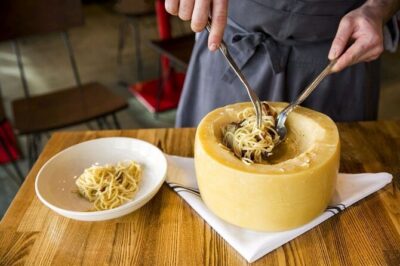
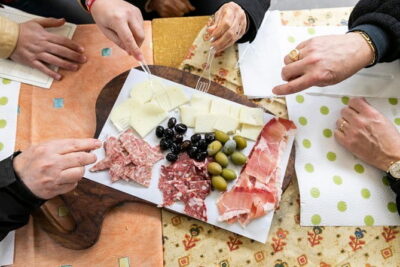
Florence Food Tour of 10+ Authentic Tastings with Cheeses & Wines
Read our review →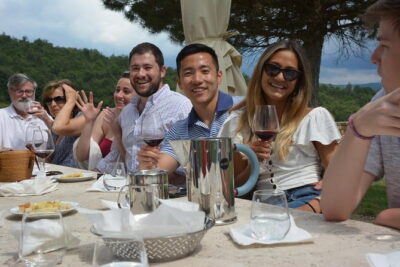
Experience Chianti & Cheese w/ 3 wineries & dairy visit—max 8 pp
Read our review →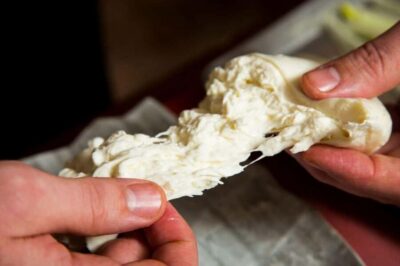
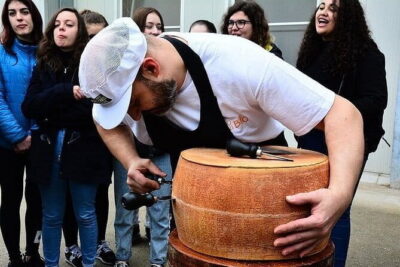
Exclusive Emilia-Romagna,Parmigiano, Prosciutto, Balsamic, Wine
Read our review →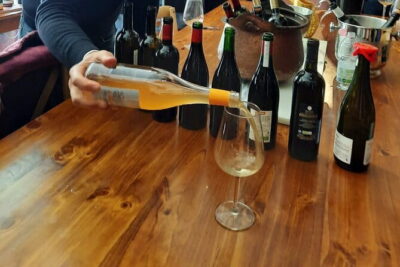
Wine & cheese Lover’s Paradise in hart of Florence
Read our review →
Emila-Romagna: Parmigiano, Prosciutto, Wine & Balsamic Tour
Read our review →