
REVIEW · AMSTERDAM
Amsterdam: Make your cheese next to De Hallen
Making cheese from two ordinary cartons of milk is the clever heart of this Amsterdam workshop. At De Kaasserie, you learn how acid and rennet change milk, then use both methods yourself. It is a hands-on lesson, not a factory tour or a quick tasting.
I like the small group of up to 10, which gives the session a friendly, practical feel. I also like that you take home two cheeses plus rennet, calcium, a cheese cloth, and recipes, so the three hours can lead to a real kitchen project.
The main drawback is the price: $135 per person is a serious spend for three hours and two fresh cheeses. It makes the most sense if you value learning the craft, not simply eating cheese in Amsterdam.
Key points at a glance
- Two methods in one session: Make one acid-coagulated cheese and one rennet-coagulated cheese from one liter of milk each.
- Paula leads the workshop: The presentation and personal introductions help the small group get started quickly.
- Fresh cheese to take home: Leave with both cheeses, a cheese cloth, rennet, calcium, and recipes sent by email.
- A useful first step toward aged cheese: Rennet coagulation is the basic procedure used for many aged cheeses.
- Hands-on flavor choices: Add herbs and spices rather than following a completely fixed recipe.
- Plan for a focused afternoon: The experience lasts three hours and is designed for participants aged 16 to 95.
Two cartons of milk, two kinds of cheese
The appeal here is wonderfully direct. You begin with supermarket milk, not rare farm ingredients or specialist equipment, and turn two one-liter cartons into two fresh cheeses. That makes the lesson feel useful from the start.
The workshop teaches two basic ways to set milk. Acid coagulation uses acidity to separate the milk into curds and liquid. Rennet coagulation uses rennet, the traditional method that also forms the foundation for aged cheese.
You do not only watch a demonstration. You make one cheese by each method, which lets you compare how the procedures differ. For anyone who likes understanding how food works, this is more satisfying than a tasting alone.
Both cheeses are fresh kinds, so you are not producing a fully aged wheel during the three-hour session. That is important when you set your expectations. The value lies in learning the process and gaining the supplies and confidence to continue later.
A few more cheese tours around Amsterdam worth a look
- Amsterdam Classic Saloon Boat Cruise with Drinks and Cheese
★ 5.0 · 31,825 reviews - Amsterdam: Classic Saloon Boat Cruise with Cheese & Wine
★ 4.6 · 27,035 reviews - Amsterdam: Guided Zaanse Schans, Windmills & Cheese Tour
★ 4.4 · 4,826 reviews
Starting at De Kaasserie near De Hallen
The meeting point is De Kaasserie, next to De Hallen area in Amsterdam. The exact meeting point can vary with the option booked, so check your confirmation carefully before setting out.
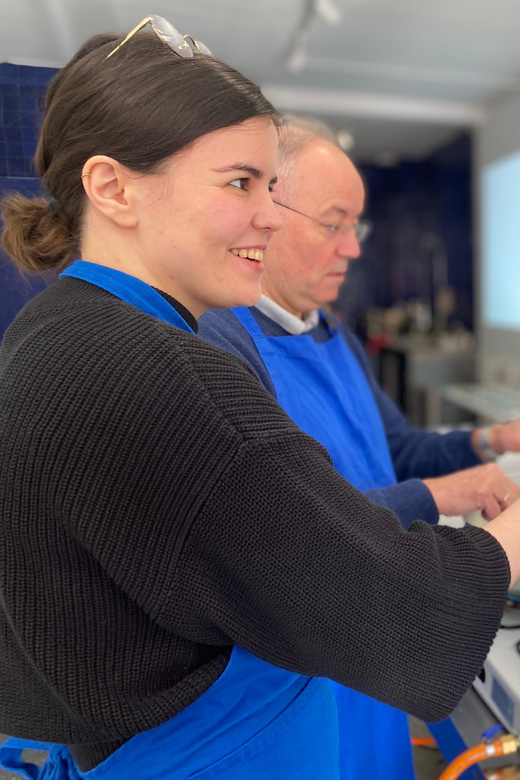
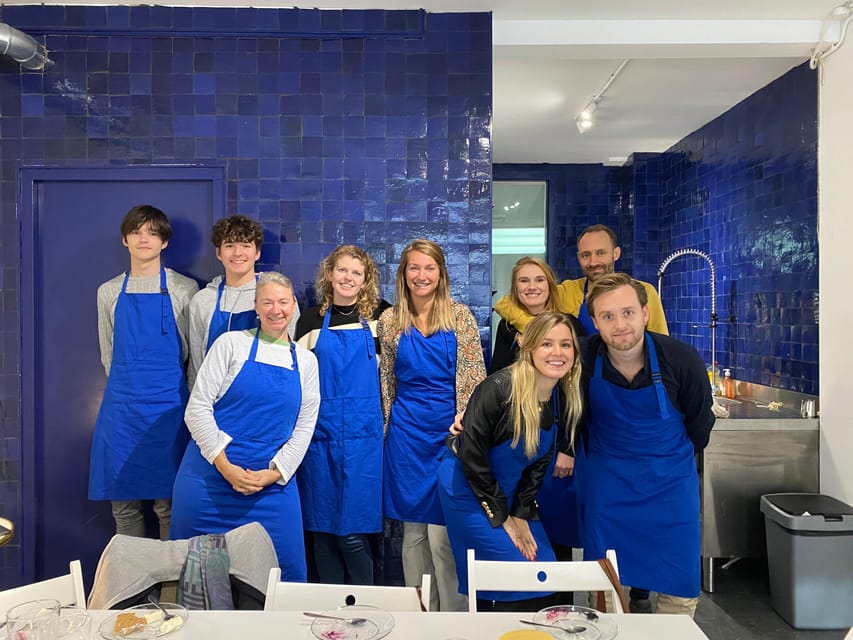
The session begins with tea and an introduction to De Kaasserie. Paula gives a presentation about the workshop and explains what you will do. The group also introduces itself, a small touch that helps the room feel more like a class than a large commercial activity.
That opening matters because cheese-making has its own vocabulary and logic. Before you handle the milk, you learn why the two methods work and what each one can lead to. The presentation gives you a framework for the practical work that follows.
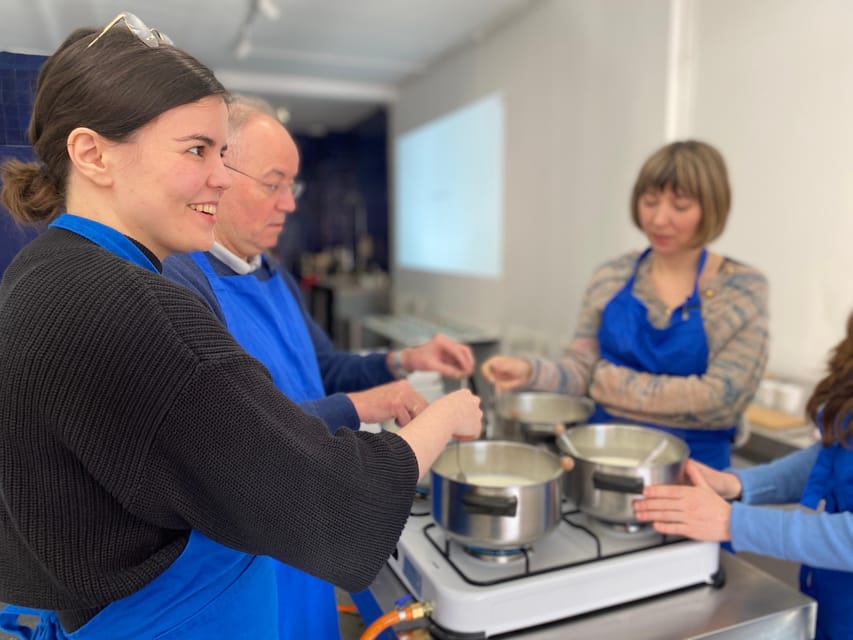
The group size is limited to 10 people. That is a good number for a craft lesson: large enough for a social atmosphere, but small enough that the activity does not feel like an assembly line. One participant described the group as the right size, and I can see why this format suits a workshop where everyone needs to work with ingredients and ask questions.
Paula was singled out for being helpful, personable, and clear. The session is available in English, Spanish, French, and Dutch, so you can choose the language that suits your booking.
The acid-coagulated cheese: a simple first experiment
Your first cheese uses acid coagulation. You work with one liter of supermarket milk and learn how acidity encourages the milk to form curds. This is a good starting point because it introduces the basic change from liquid milk to cheese in a fairly approachable way.
The important lesson is not just the finished piece. You see how a small change in the milk creates a new texture and product. That is the sort of detail that helps you understand why recipes call for particular ingredients and timings.
You also get room to experiment with herbs and spices. This gives the cheese a personal touch without making the first attempt too complicated. If you enjoy adjusting flavors in the kitchen, this part will likely be one of the most enjoyable sections.
The finished cheese is fresh, so plan to take it home rather than expecting a long-aged product. It is a practical introduction to fresh cheesemaking and a chance to taste the result before you try the process on your own.
The rennet cheese and the road to aged cheese
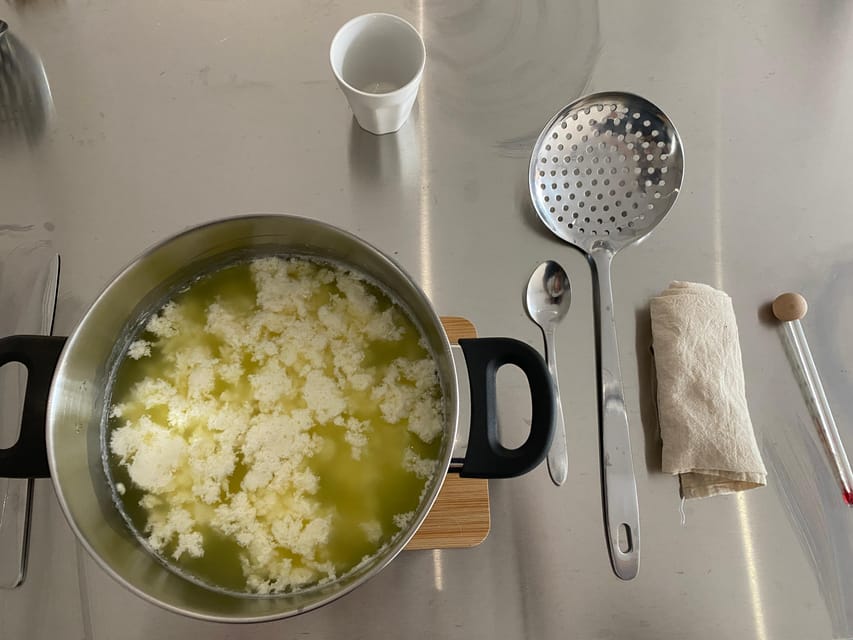
The second carton of milk is used for a rennet-coagulated cheese. This method is especially valuable because rennet is the procedure used in making aged cheese. You are still making a fresh cheese during the workshop, but you are learning a method that can lead to more advanced recipes later.
That distinction gives the class a useful sense of direction. You are not simply making two similar snacks. You are comparing two approaches and seeing how one of them can become a longer home project.
Aged cheese requires patience and more steps, so this class does not claim to take you all the way there in a single afternoon. Instead, it gives you an accessible first practice with rennet, along with rennet and calcium to take home.
I like that the workshop encourages you to continue at home. The recipes arrive by email, and the supplies mean you can move beyond the class without immediately having to buy every ingredient yourself. For a curious cook, that follow-up value helps justify the higher price.
Still, do not book this expecting to leave with a mature cheese ready for a picnic that evening. The two take-home cheeses are fresh products, and the deeper reward is the skill you can build afterward.
Same region, a different board:
- Zaanse Schans Windmills, Clogs and Dutch Cheese Small-Group Tour from Amsterdam
★ 4.5 · 2,369 reviews - From Amsterdam: Volendam and Zaanse Schans Tour with Cheese
★ 4.6 · 1,993 reviews - Amsterdam: Evening Candle Light Cruise With Wine & Cheese
★ 4.6 · 1,774 reviews - Countryside Bike Tour from Amsterdam: Cheese, Clogs & a Windmill
★ 5.0 · 1,485 reviews
Tasting homemade cheeses at the end
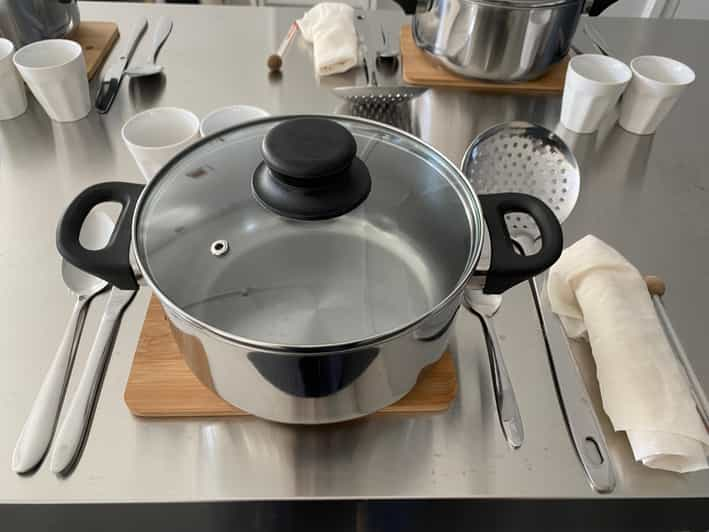
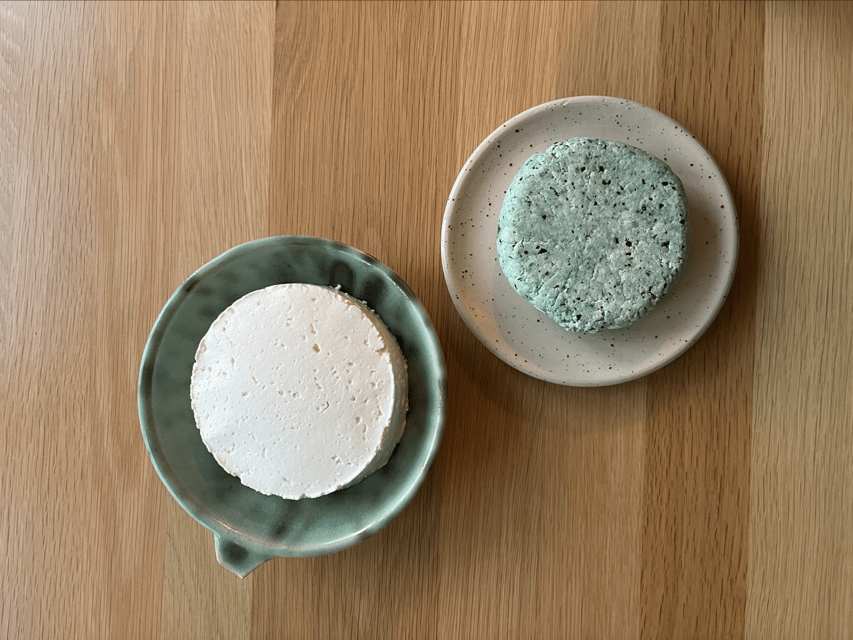
Once the two cheeses are ready, the class finishes with a tasting of homemade cheeses. The tasting includes fresh and pressed varieties, giving you a chance to compare different textures and stages of cheesemaking.
This is a useful finish because it connects the basic exercises with the wider craft. You can taste what fresh cheese offers, then consider how pressed cheese differs. The comparison helps explain why cheese-making becomes such a broad subject once you move beyond the first recipes.
Tea is included with the introduction. Coffee and alcoholic drinks are not included, so do not count on this as a wine-and-cheese pairing session. The focus stays on the process, the samples, and the food itself.
For me, the tasting works best as a learning tool rather than a large meal. If you are looking for a generous food spread, this may feel modest. If you want to understand the range of homemade cheese, it adds useful context to the practical work.
What you take home after three hours
The take-home package is one of the strongest parts of the experience. You leave with:
- Two fresh cheeses that you made during the workshop
- A cheese cloth
- Rennet
- Calcium
- Recipes sent by email
The cheese cloth and ingredients give you a practical start at home. The recipes also matter because a hands-on class can be easy to forget once you return to normal sightseeing and daily routines. Having written instructions makes it more likely that you will try again.
The two cheeses also give you a clear comparison point. You can remember how each one was made and decide which method you prefer. That is more useful than taking home a single product with no sense of how it was created.
You will need to handle the cheeses appropriately after the class, but the supplied information does not specify storage or transport instructions. Ask Paula for that advice before you leave, particularly if you have a long journey afterward.
Is $135 a fair price?
At $135 per person, this is not a budget activity. You are paying for three hours, instruction, ingredients, a small group, the tasting, two cheeses, equipment supplies, and recipes for future use.
The price makes more sense if you see the session as a short course rather than a food sample. You learn two basic forms of coagulation, practice both, taste fresh and pressed cheeses, and receive materials that can help you continue at home.
It is less compelling if your main goal is simply to eat Dutch cheese. Amsterdam offers many ways to taste cheese without spending this much or setting aside three hours. This workshop earns its price through participation and instruction.
I would also consider how likely you are to use the rennet and recipes later. If you enjoy cooking projects, the added supplies can be valuable. If you know you will not make cheese again, much of the long-term value disappears.
The small group helps the price, since the class can offer more direct attention than a large demonstration. Paula’s helpful and personable teaching style was a major part of the positive experience described by participants, and that personal guidance is important when you are learning a process for the first time.
Who will enjoy this workshop most?
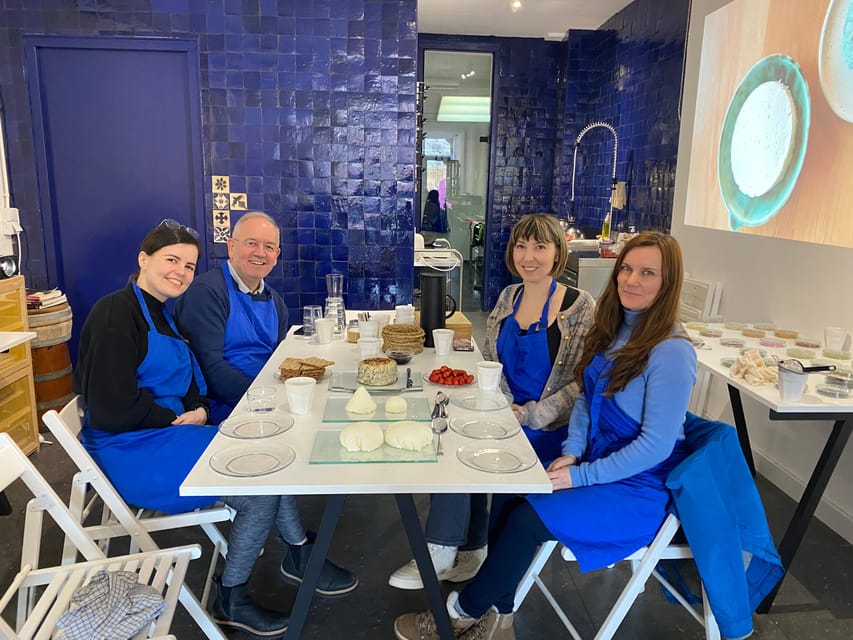
This experience suits curious cooks, food-focused visitors, and anyone who likes learning a craft while in Amsterdam. It is especially good for people who want an activity with something tangible to show for it afterward.
You do not need to be an experienced cheesemaker. The class begins with an introduction to the basic principles, then moves into making two simple fresh cheeses. The supermarket milk starting point also keeps the lesson connected to ingredients you can find outside a specialist shop.
It is a good choice for a couple or small group of friends who want to do something more active than a standard tasting. Since the group is capped at 10, the setting should feel more personal than a large food demonstration.
The age limit is clear: children under 16 cannot participate, and the activity is not suitable for people over 95. It is also not suitable if you have lactose intolerance. Those restrictions are worth checking before you book.
You should also be comfortable spending three hours on a focused workshop. This is not a quick stop between major sights. The activity has a clear sequence, from introduction to making, tasting, and packing up the cheese and supplies.
Languages, timing, and booking details
The workshop lasts three hours, with starting times shown according to availability. It is offered in English, Spanish, French, and Dutch. Since the meeting point can vary by booked option, check the details attached to your reservation.
You can cancel up to 24 hours before the activity for a full refund. The reserve-now, pay-later option can help if your Amsterdam schedule is still shifting, though you should still confirm the final time and meeting instructions before the day.
No transportation is listed as part of the experience. You meet at De Kaasserie, near De Hallen, so plan your route to that location rather than expecting a pickup.
Tea is included. Coffee and alcoholic beverages are not, so budget separately if you want either one before or after the workshop.
The most useful questions to ask yourself
The key question is simple: do you want to learn to make cheese, or do you only want to taste it?
If you want a tasting, this is probably more time and money than you need. If you want to understand how milk becomes cheese and leave with the tools to repeat the process, the workshop offers much more.
Ask yourself if you have room in your luggage and plans for two fresh cheeses, a cheese cloth, rennet, and calcium. You also receive the recipes by email, so the experience can continue after Amsterdam without carrying a paper packet.
I would also think about your appetite for trial and error. The class is designed to inspire you to continue cheesemaking at home. That is exciting if you enjoy learning by doing, but less appealing if you prefer a polished food experience with no follow-up project.
Should you book the De Kaasserie workshop?
Book it if you want a small, hands-on food class and like the idea of turning a simple ingredient into something you can eat and make again. The strongest reasons are the two different coagulation methods, Paula’s friendly instruction, the 10-person limit, and the useful take-home supplies.
Skip it if $135 feels too high for three hours, if you are looking only for a generous cheese tasting, or if you have lactose intolerance. The cheeses are fresh, and the class is an introduction rather than a complete aged-cheese course.
For the right person, this is a memorable Amsterdam activity because it gives you more than a snack. It gives you a new kitchen skill, two first attempts, and a clear next step for making cheese at home.
FAQ
Where does the Amsterdam cheese-making workshop meet?
You meet at De Kaasserie, near De Hallen in Amsterdam. The exact meeting point may vary depending on the option booked, so check your booking information.
How long does the experience last?
The workshop lasts three hours. Starting times depend on availability.
How many people can join the workshop?
The group is limited to 10 participants.
Which languages are available?
The instructor can teach in English, Spanish, French, or Dutch.
What kinds of cheese will I make?
You make two fresh cheeses. One uses acid coagulation, and the other uses rennet coagulation.
What do I take home?
You take home both cheeses, a cheese cloth, rennet, calcium, and recipes sent by email.
Is a tasting included?
Yes. The session ends with a tasting of homemade cheeses, including fresh and pressed varieties.
Is anything to drink included?
Tea is included with the introduction. Coffee and alcoholic beverages are not included.
Who cannot take part?
The workshop is not suitable for children under 16, people over 95, or people with lactose intolerance.
Just added around Amsterdam
- Amsterdam: Zaanse Schans E-Bike Tour with Windmills & Cheese★ 4.5 · 12 reviews
- Zaanse Schans & Volendam Private Tour: Windmills and Cheese★ 5.0 · 5 reviews
- Zaanse Schans Windmills, cheese and clogs and Volendam tour from Amsterdam★ 5.0 · 14 reviews
- Admission to The Story of Edam Cheese Museum★ 4.0 · 9 reviews
- Amsterdam: Experience Edam, a Cheese Tasting, and a Windmill★ 4.5 · 7 reviews
- Private Guided Highlights of Holland Tour with Cheese Tasting★ 5.0 · 4 reviews
- Private Keukenhof, Gardens, Windmills, cheese tour from Amsterdam★ 5.0 · 4 reviews
- Private Tour to Tulips, Keukenhof, Windmills & Cheese Farm★ 5.0 · 4 reviews
Amsterdam Cheese Tours, compared.
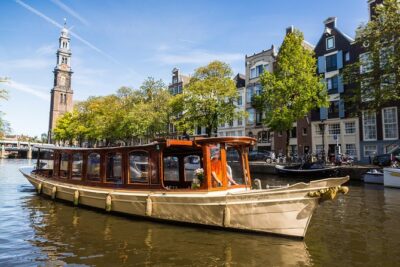
Amsterdam Classic Saloon Boat Cruise with Drinks and Cheese
Read our review →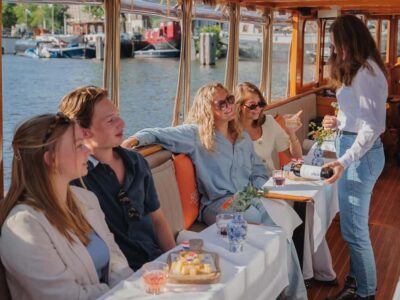
Classic Saloon Boat Cruise with Cheese & Wine
Read our review →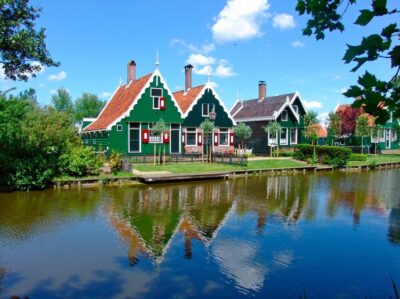
Guided Zaanse Schans, Windmills & Cheese Tour
Read our review →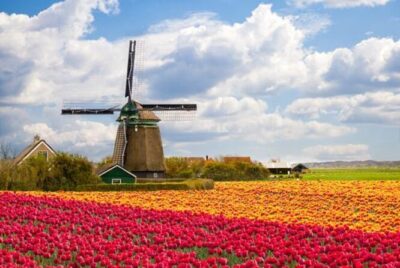
Zaanse Schans Windmills, Clogs and Dutch Cheese Small-Group Tour from Amsterdam
Read our review →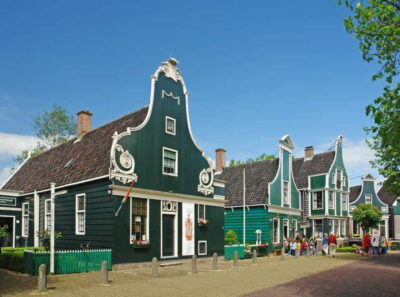

Evening Candle Light Cruise With Wine & Cheese
Read our review →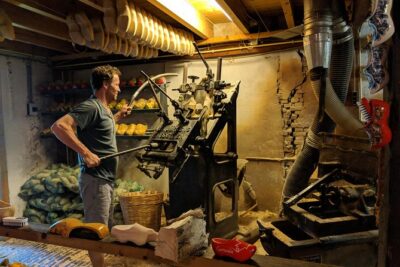
Countryside Bike Tour from Amsterdam: Cheese, Clogs & a Windmill
Read our review →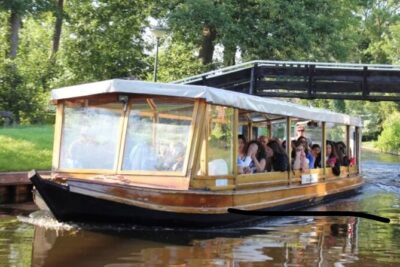
Giethoorn Tour Scenic Cruise, Cheese & Free Time
Read our review →Browse the lists this tour appears in