
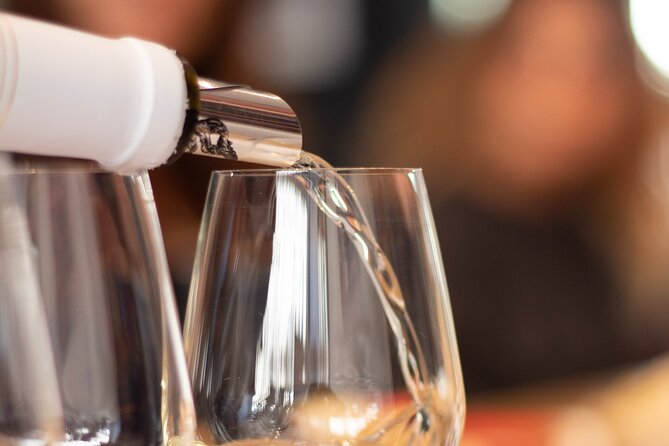
REVIEW · BORDEAUX
Bordeaux Wines Masterclass paired with cheeses & charcuterie
Bordeaux wine can feel like a code of grape names, châteaux, appellations, and riverbanks. This 90-minute masterclass gives you a useful key: you taste a white, then single-grape reds, and finish with wines from Bordeaux’s Left and Right Banks, including one grand cru. The setting is central, just two steps from the Grand Théâtre.
I like the way the class teaches by comparison rather than simply pouring six unrelated glasses. I also like the small-group format, which lets guides such as Hugo, Vincent, Antoine, Noe, and Matilde adjust the talk to the group and answer questions. The main caution is comfort: one session was reported as unusually hot, and the room may carry the strong, familiar smell of traditional cheeses.
Key points at a glance
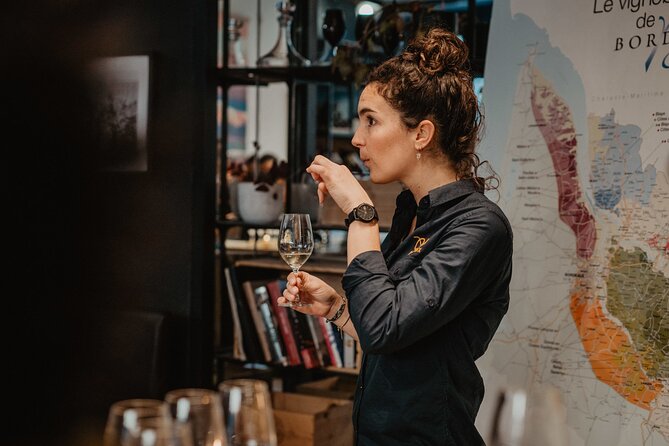
- Six regional wines: One white and five reds form a clear introduction to Bordeaux styles.
- Single-grape comparisons: The red wines help you understand what each grape brings to a blend.
- Left Bank and Right Bank: Two classic Bordeaux regions become easier to tell apart.
- Food pairing included: Local cheeses, charcuterie, and fresh baguette accompany the tasting.
- Small group setting: The maximum is 10 people, with some sessions much smaller.
- Central location: The workshop begins and ends at 2ter Rue Mably, near the Grand Théâtre.
Why this Bordeaux class is useful early in your stay
I would put this class near the beginning of a Bordeaux visit, especially if French wine labels leave you guessing. The lesson gives you a working map of the region before you start ordering bottles in restaurants or planning trips to château country.
You do not need prior wine training. The expert begins with basic ideas such as terroir, grape varieties, appellations, classification, winemaking, aging, storage, and serving. That may sound like a lot for an hour and a half, but the class uses glasses and food to make the terms practical.
The most useful lesson is that Bordeaux wine is often about blending. Instead of asking you to memorize a list of famous estates, the class lets you taste wines made from individual grape varieties. You can pay attention to their color, smell, texture, and finish, then see why producers combine them.
That approach works for beginners because you can learn through direct comparison. It also has value for regular wine drinkers who know the broad names but want a clearer sense of how Bordeaux grapes behave before they are blended.
More Wine and Cheese Tastings in France
- Professional – Bordeaux Wine and Cheese Tasting with a walking tour
★ 5.0 · 218 reviews - Tasting of 6 Bordeaux wines and pairing charcuterie & cheese
★ 5.0 · 199 reviews - Bordeaux: Wine Masterclass with Cheese and Charcuterie Board
★ 4.9 · 184 reviews
Starting with white wine and the basic tasting method
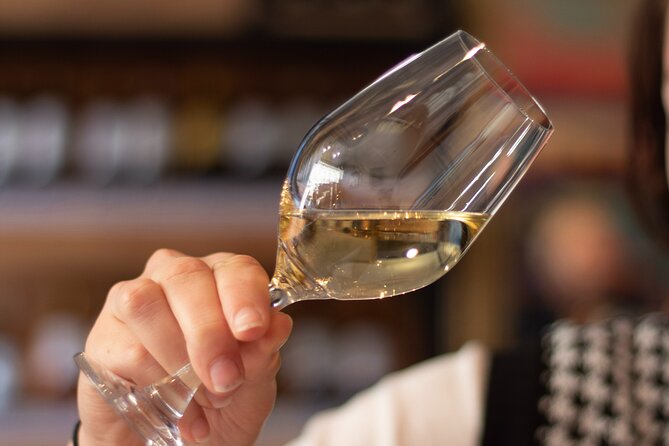
The tasting begins with a white Bordeaux wine. This first glass is not just a warm-up. It gives the expert a chance to show you the standard sequence for tasting wine.
You learn to look at the wine, smell it, taste it, and think about its structure. The point is not to produce fancy tasting notes. It is to give you a repeatable method you can use later at a wine bar, restaurant, or château.
The expert also explains how smell affects your impression of wine. One session included sensory exercises and a scent-guessing game, a simple way to show that your nose often notices more than your palate alone.
This section should suit you if you are new to formal tasting and worry that you will use the wrong words. The teaching is designed to be friendly rather than stiff, and guides have adjusted their explanations to match the group’s experience.
Three single-grape reds make blending easier to understand
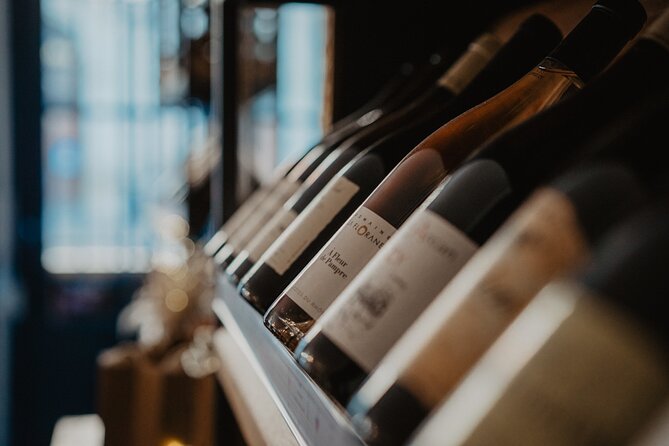
The red wine portion is the heart of the class. You taste three regional red wines made to show the character of individual grape varieties. The exact bottles can change, but the educational purpose remains the same.
This is a smart choice for Bordeaux. Many classic wines from the region are blends, so it can be hard to know which grape contributes which quality. Tasting the grapes separately gives you a clearer reference point.
You may notice differences in aroma, body, acidity, tannin, and finish. The expert connects those differences to the way Bordeaux producers build a final blend. You are not simply told that one grape is softer or more structured. You get a chance to look for the contrast yourself.
The class also explains how local geography and appellations influence the wine. This is where the Left Bank and Right Bank become more than directions on a map. They represent different areas, growing conditions, traditions, and common grape choices.
If you already drink Bordeaux, this portion may be the most useful. One experienced wine drinker found the method helpful because it made familiar bottles easier to understand. If you are new to French wine, it gives you a way to read a label without treating the château name as the only important clue.
Left Bank, Right Bank, and one grand cru
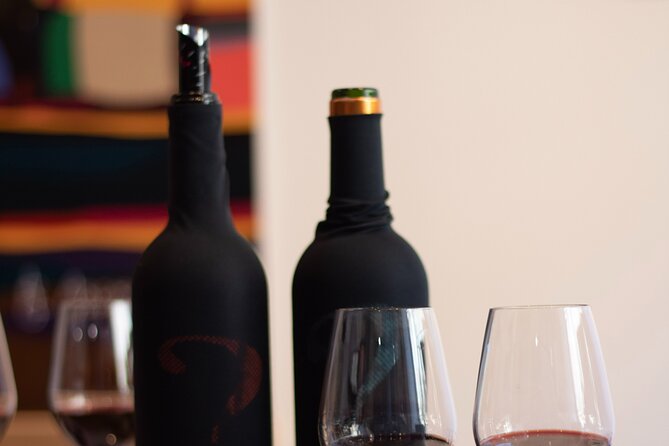
The final wine section moves from individual grape expressions to finished Bordeaux wines. You taste one wine from the Left Bank and another from the Right Bank. One of these is a Bordeaux grand cru.
This comparison helps you think about Bordeaux as a group of distinct areas rather than one single style. The expert explains how regional identity, appellation, grapes, and blending fit together.
The grand cru adds a taste of the classification system, but do not book this expecting a parade of rare or expensive bottles. The purpose is education, not an extravagant collector’s tasting. One useful comment from the class was that the wines were good but not necessarily the most exquisite available in Bordeaux.
That is a fair point. At $54.42 per person, the value comes from the instruction, the number of pours, and the chance to compare styles in one sitting. You are paying for a guided introduction, not simply for six luxury glasses.
The session can sometimes run longer than the advertised 90 minutes. That is good news if you enjoy the conversation, but leave a little space in your schedule rather than planning a tight connection afterward.
More Cheese and Charcuterie Boards in Bordeaux:
- Introduction to Bordeaux wines paired with cheeses & charcuterie
★ 5.0 · 175 reviews - Tasting of Bordeaux red wines, wine and charcuterie pairings
★ 5.0 · 24 reviews - Budapest: Wine, Cheese, and Charcuterie Tasting
★ 4.9 · 647 reviews - Hungarian Wine Tasting (with Cheese and Charcuterie) in Budapest
★ 5.0 · 531 reviews
Cheese, charcuterie, and the practical side of pairing
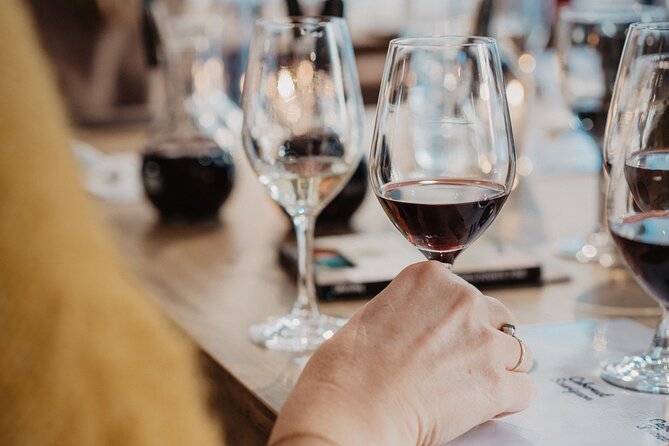
The food is an important part of the experience, not a decorative plate on the side. You receive local cheeses and charcuterie, with fresh baguette available throughout the tasting.
The expert uses the food to explain basic pairing. You can notice how a wine changes with salty cured meat, creamy cheese, or bread. This is a useful lesson because many people judge a wine alone, then find that it behaves differently at the dinner table.
The board also adds a clear connection to everyday Bordeaux life. You are tasting local products while learning about local wine, rather than treating the class as a technical lecture.
Portions are described as a snack board, not a full meal. If you arrive hungry, eat beforehand or plan lunch afterward. The food should comfortably support the tasting, but it is not a replacement for a proper meal.
Cheese also brings the one comfort issue worth noting. Traditional cheeses can have a strong smell, and one poor experience specifically mentioned an unpleasant odor. The operator attributed the smell to artisanal cheese. If you are sensitive to cheese aromas or warm indoor rooms, this is worth keeping in mind.
Small groups and the style of the guides
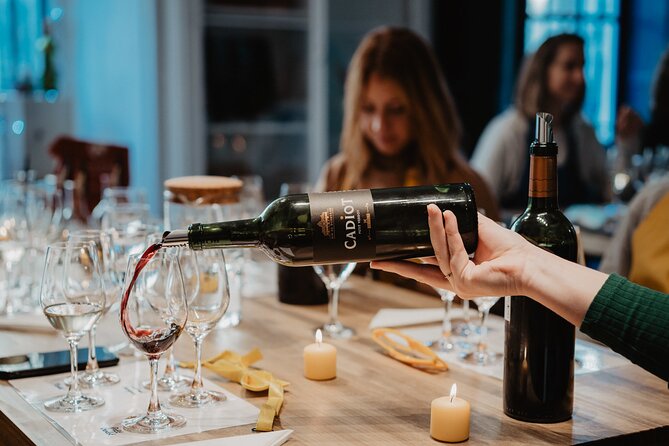
The maximum group size is 10, though some sessions have had only three people. That size matters. You can ask about a wine, share your own impressions, and get a direct answer without competing with a large crowd.
The guides named in the feedback include Antoine, Hugo, Noe, Vincent, Matilde, Ana, and others. The central strength of the teaching is not one fixed script. Different guides have been praised for making technical material clear, friendly, and suited to the people in the room.
Antoine has been described as especially good at explaining production in simple terms. Hugo has led sessions focused on Bordeaux’s regions, history, and theory. Vincent has used sensory exercises and spent time on grape varieties, appellations, and ways to choose a wine. Noe has emphasized primary, secondary, and tertiary aromas.
The tone is social and conversational. You will likely get more from the class if you ask questions and compare impressions with the people beside you. It is not designed as a silent tasting where everyone studies a glass alone.
Location, timing, and who should book
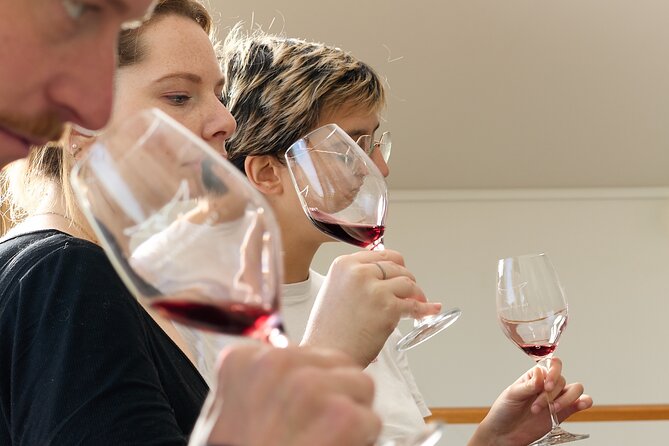
The meeting point is 2ter Rue Mably in central Bordeaux, close to the Grand Théâtre. The class begins at 11:00 am and ends back at the same location. Since it is near public transportation and in the city center, it fits neatly into a morning of sightseeing.
The mobile ticket makes arrival simple. Confirmation is provided when you book, and the activity is offered in English.
This is a good match for:
- First-time Bordeaux visitors who want basic wine vocabulary
- Wine drinkers planning to visit the Left Bank or Right Bank
- Couples and small groups who prefer instruction with their tasting
- People who want food pairing explained in plain language
- Experienced drinkers who want a clearer grasp of Bordeaux grapes and blends
It is less suitable if you want a full-day château outing, a large meal, or a tasting devoted only to elite bottles. It is also not designed for children under 16, and pets are not allowed. Service animals are allowed. If you need a private arrangement because of your group, a private tasting is suggested instead.
Is $54.42 a fair price?
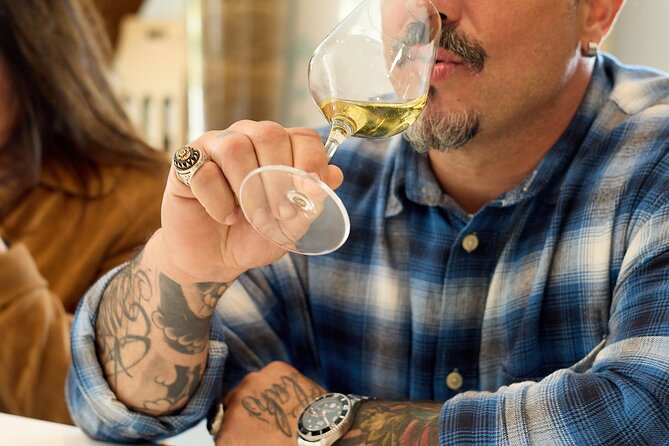
For Bordeaux, the price is reasonable if you value the lesson as much as the wine. You receive six listed wines, a cheese and charcuterie board, bread, water, printed information, and guidance from a wine professional.
The class is especially good value if it prevents a few poor bottle choices later. After learning the broad differences between appellations and grapes, you can make better decisions in restaurants and shops. You may also feel more confident planning visits outside the city.
The value is weaker if your only goal is to drink the most prestigious Bordeaux possible. The selection can change, and the tasting is built around education. Some wines may be very good without being rare or remarkable on their own.
The high overall rating and 99 percent recommendation reflect strong satisfaction, but no tasting suits everyone. The one serious complaint concerned heat, odor, and food-handling concerns. That experience does not match the dominant pattern, but it is a fair reminder that the room is part wine classroom and part food service space.
Cancellation and practical planning
Free cancellation is available up to 24 hours before the local start time for a full refund. Changes or cancellations made inside that 24-hour window are not accepted for a refund.
Plan to arrive ready to taste rather than rush in after a large meal. You should also avoid scheduling a museum booking or train immediately after the class, since sessions can run beyond 90 minutes.
The wines and schedule may change, but the standard is intended to remain consistent. That flexibility is normal for a tasting, and it means you should focus on the comparison and teaching rather than expecting a fixed list of labels.
Should you book this Bordeaux wine masterclass?
I would book it if you want a clear, compact introduction to Bordeaux wine, especially at the start of your visit. The single-grape red tasting, Left Bank and Right Bank comparison, food pairing, and small group size give you more useful context than a simple flight of pours.
You should skip it if you want a château visit, a full meal, or an expensive bottle-focused tasting. Otherwise, $54.42 buys a practical lesson that can improve the rest of your time in Bordeaux. Arrive curious, allow more than 90 minutes, and treat the cheese board as part of the lesson rather than an afterthought.
FAQ
Where does the Bordeaux wine class begin?
The activity begins at 2ter Rue Mably, 33000 Bordeaux, France, near the Grand Théâtre. It ends back at the same meeting point.
What time does the tasting start?
The scheduled start time is 11:00 am.
How many wines are included?
The standard tasting includes one white wine and five red wines. The exact wines can change, and some sessions have included six or seven wines.
What food is served with the wine?
You receive an assortment of local cheeses and charcuterie, along with fresh baguette bread. Water is also available.
Do I need previous wine knowledge?
No. The class is designed for people with no prior wine knowledge, while also offering useful comparisons for experienced wine drinkers.
Can I cancel for a full refund?
Yes. You can cancel at least 24 hours before the local start time for a full refund. Cancellations or changes made less than 24 hours before the start are not accepted for a refund.
More Wine and Cheese Tastings in Bordeaux
- Bordeaux Gourmet Experience: Cheese & Wine Tasting
★ 4.6 · 169 reviews - Bordeaux Gourmet Experience : tasting of French cheeses & wines
★ 4.5 · 71 reviews - Bordeaux Afternoon Food Tour : Sweets, Wine and Cheese
★ 5.0 · 38 reviews - Blind Tasting: 4 Bordeaux Natural Wine + Cheese experience
★ 4.8 · 35 reviews
Just added around Bordeaux
- Wine Masterclass & Cheese Tasting Workshop in Bordeaux★ 5.0 · 2 reviews
- Tasting of Bordeaux red wines, wine and charcuterie pairings★ 5.0 · 24 reviews
- Wines and Cheeses: Learning to combine perfectly★ 4.5 · 7 reviews
- Wine Masterclass & Cheese Tasting Workshop in Bordeaux★ 5.0 · 29 reviews
- Tasting of Bordeaux White Wines Wine and Cheese Pairing★ 5.0 · 10 reviews
- Highlights of Bordeaux Walking Tour + Wine & Cheese Tasting★ 4.5 · 5 reviews
- Bordeaux Night Walk Ending with Delicious wine & cheese Tasting★ 5.0 · 10 reviews
- Bordeaux Food Tour : Sweets, Cheese & Wine pairing workshop★ 5.0 · 8 reviews
Bordeaux Cheese Tours, compared.
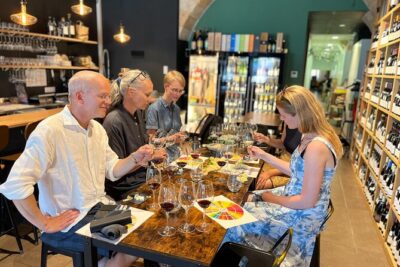
Professional – Bordeaux Wine and Cheese Tasting with a walking tour
Read our review →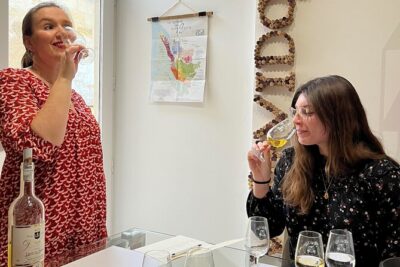
Tasting of 6 Bordeaux wines and pairing charcuterie & cheese
Read our review →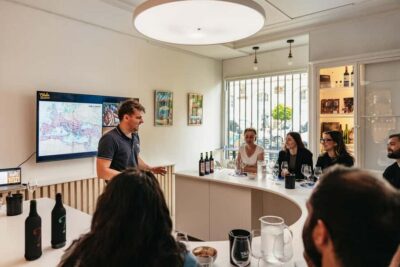
Wine Masterclass with Cheese and Charcuterie Board
Read our review →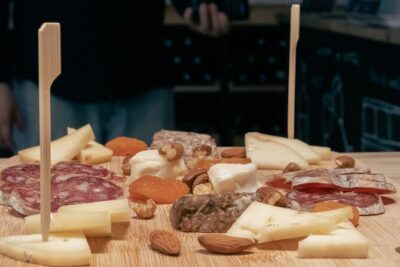
Introduction to Bordeaux wines paired with cheeses & charcuterie
Read our review →
Bordeaux Gourmet Experience: Cheese & Wine Tasting
Read our review →
Bordeaux Gourmet Experience : tasting of French cheeses & wines
Read our review →
Bordeaux Afternoon Food Tour : Sweets, Wine and Cheese
Read our review →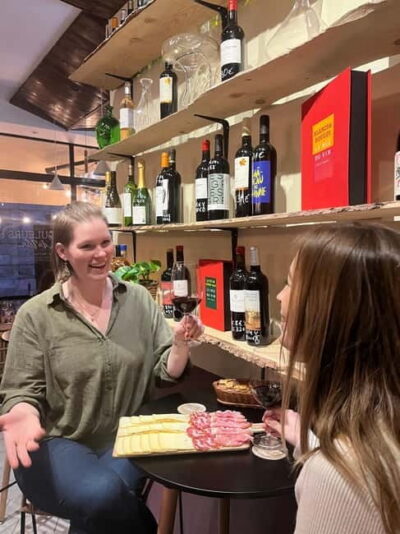
Blind Tasting: 4 Bordeaux Natural Wine + Cheese experience
Read our review →Browse the lists this tour appears in