
REVIEW · ITALY
Lecce: Olive Oil, Cheese, and Wine Tasting Experience
Lecce’s olive oil, cheese, and wine tasting gets straight to the heart of Puglia’s food culture: a small table, local products, and a guide who explains why good olive oil can taste peppery in your throat. You meet at Balu’ Cookinpuglia, then settle into a selected old-town bistrot for a guided tasting rather than a simple snack.
I like the small group of four or fewer, which gives you room to ask questions. I also like the way the tasting treats olive oil with the same care usually given to wine, covering aromas, production methods, bitterness, and pungency instead of simply passing around bottles.
The main drawback is the short one-hour format. You get three oils, cheese, and one glass of wine, but extra wine and additional food cost more. The stated start time of 12:00 AM is also worth confirming, since it may be intended as noon.
Key points at a glance
- Three Puglia extra virgin olive oils: Compare oils made from different varieties or production methods and learn how their flavors differ.
- Cheese pairing included: Regional cheeses help show how olive oil works with food, not just on its own.
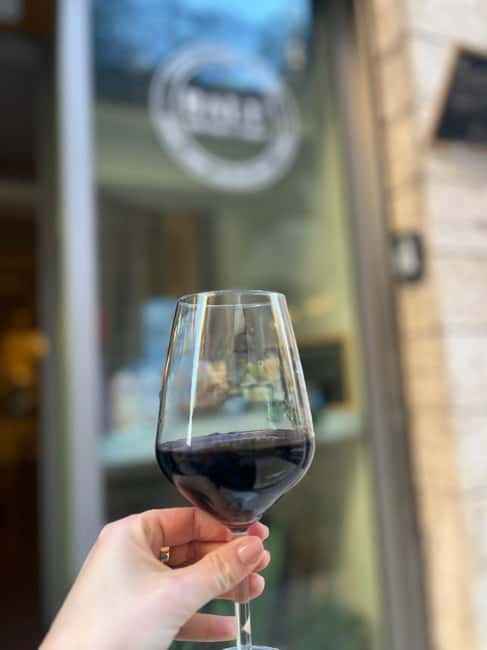
- A glass of wine: Your tasting includes one wine, with extra glasses and other local foods available at additional cost.
- Small old-town setting: The experience takes place in a selected bistrot in central Lecce, not on a large coach or farm visit.
- English or Italian guidance: Staff explain how to judge oil by sight, smell, and taste, and you can ask questions throughout.
- One-hour schedule: This fits neatly before lunch, during an afternoon break, or before an evening meal.
Three Puglian oils in the old town of Lecce
The first useful thing to understand is that this is a food tasting in central Lecce, not a trip out to an olive farm or mill. You meet at Balu’ Cookinpuglia and make your way to a local bistrot in the old town. The exact bistrot can be selected for the session, so the setting may vary.
That arrangement works well if you are already sightseeing in Lecce. You do not lose half a day to transport, and you can pair the tasting with a walk through the city’s historic center. It also means you should not book this expecting groves, machinery, or a full tour of an oil estate. The focus is on tasting and explanation.
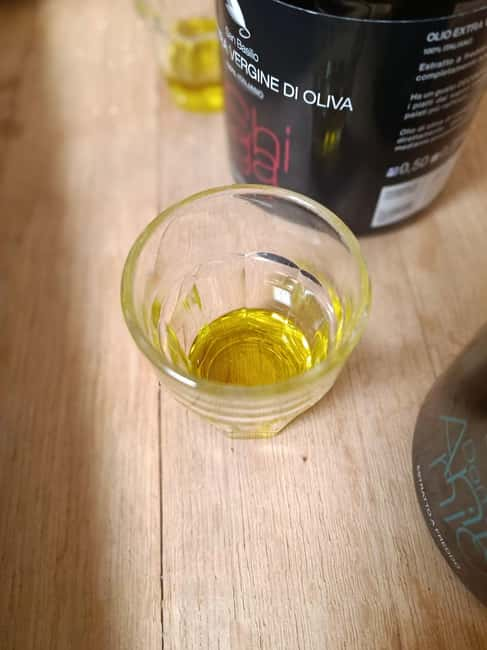
Once seated, you taste three types of Puglia extra virgin olive oil. The point is comparison. A single spoonful can tell you that one oil is gentle and grassy, while another has a sharper peppery finish. The guide helps you notice these differences instead of treating every green-gold oil as the same.
The staff explain the basics of olive growing and oil production in Puglia, where olive oil is a central part of regional food and daily cooking. You learn about olive varieties and production methods, then connect that information to what is in your glass or tasting cup.
This is a good format for beginners. You do not need to know the difference between fruitiness, bitterness, and pungency before arriving. Those terms become easier to understand when you taste several oils close together.
More Wine and Cheese Tastings in Italy
- Authentic Farm Tour with Pizza, Cheese, Wine & Limoncello Tasting
★ 5.0 · 698 reviews - Cooking class with Pasta, mozzarella and Tiramisu with wine
★ 5.0 · 549 reviews - Amalfi: Make Fresh Pasta, Mozzarella & Tiramisù with wine
★ 5.0 · 503 reviews
How to taste olive oil like a local
Olive oil tasting uses several senses. You look at the oil, smell it, and taste it. The guide may ask you to focus on the first aromas, the flavor as it spreads, and the sensation left in your mouth and throat.
Do not worry if the tasting feels unfamiliar at first. The useful lesson is that bitterness is not the same as rancidity. A fresh extra virgin olive oil can have a bitter note, and that bitterness may signal freshness. Pungency, including a warm or peppery feeling in the throat, can also be a positive feature.
This matters when you shop for oil later. Many people assume the smoothest oil is automatically the best. The tasting gives you a better set of questions: Does it smell fresh? Does it have clear flavor? Is the bitterness balanced? Does the peppery finish feel lively rather than stale?
You also learn to identify aromas and flavors in practical terms. The guide may describe the oils through their smell, taste, and finish, helping you build a vocabulary you can use at markets and restaurants. You will not become an oil producer in an hour, but you should leave with a clearer sense of what you are eating.
The visual stage is less important than the smell and taste, and oil color alone does not tell the whole story. Still, looking at the oils side by side begins the comparison. The real lesson comes when you taste them one after another.
Cheese makes the oil easier to understand
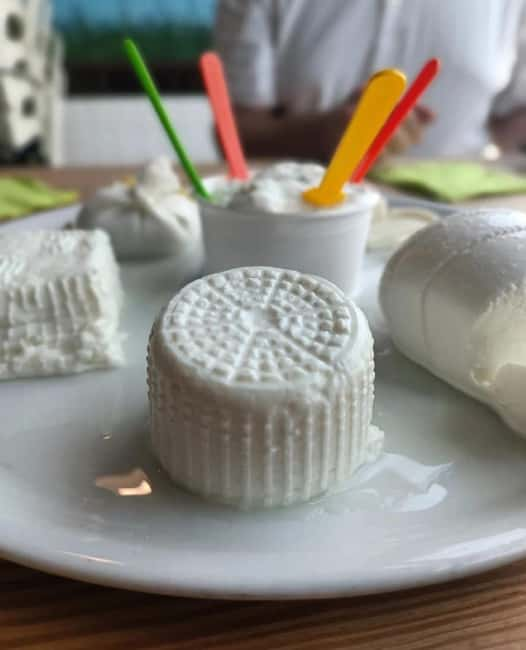
The cheese pairing is more than a plate of snacks. It gives you a way to test the oils with food. A bold oil can change the flavor of a cheese, while a milder oil may let the cheese remain the main taste.
The selection is made up of regional cheeses, though the exact varieties are not specified. That is a useful point to keep in mind if you have allergies, strong dislikes, or dietary restrictions. Ask the staff what is being served before tasting, and use the small-group setting to ask how each cheese fits with the oils.
Pairing also makes the experience more social and less formal. You are not only concentrating on technical details. You are eating, talking, and seeing how Puglian ingredients work together at the table.
I especially like this part for people who are unsure how to use good olive oil at home. The cheese gives you a simple model: taste the oil plain, then taste it with food. You can repeat the idea with bread, vegetables, beans, or pasta after your trip, although those additional foods are not included here.
The meal is not meant to replace lunch. The included portion is a tasting of assorted cheeses, not a full spread of local dishes. If you are hungry, plan another meal before or after the session, or ask about extra local foods at the bistrot.
One glass of wine, not a full wine tour
Your tasting includes one glass of wine. It acts as a regional companion to the oil and cheese, and it gives the hour a relaxed enoteca feel.
This is not described as a detailed wine class. The main teaching centers on olive oil, while wine supports the food tasting. If you are booking because you want a serious comparison of Puglian wines, this may feel limited.
For most people, one glass is the right amount for a short tasting. You get a local drink without turning a one-hour activity into a long wine session. Extra glasses are not included, and additional local foods also cost more, so keep that in mind when planning your budget.
The wine is also useful if you want to slow down after sightseeing. Lecce is a walking city, and a seated tasting offers a brief change of pace. Just remember that the experience is compact. It is designed as a focused introduction, not a lingering evening meal.
Same region, a different board:
- Sorrento Farm by Tuk Tuk: Cheese, Limoncello & Hands-On Pizza
★ 5.0 · 628 reviews - Tour Parmigiano Reggiano dairy and Parma ham
★ 5.0 · 601 reviews - Parma: Parmigiano Production and Parma Ham Tour & Tasting
★ 4.9 · 554 reviews - Sorrento: Farm Tour with Cheese Tasting & Pizza Making Class
★ 5.0 · 503 reviews
Why the group size matters
With a maximum of four participants, this is much more personal than a large food tour. You can ask the staff about a particular oil, production method, cheese, or flavor without waiting for a crowd to quiet down.
The small size is especially helpful during the tasting itself. If you notice a peppery finish or a smell you cannot identify, you can ask about it immediately. The staff can adjust their explanation to the group rather than delivering a fixed speech to dozens of people.
The available languages are English and Italian. The staff are described as highly qualified, and the experience is built around their guidance. Michale is named in the supplied information as a staff member associated with the local cheese and wine selection, though the exact host may depend on the date.
Because this is a small setting, your questions help shape the session. Come ready to ask where the oils were made, how the varieties differ, and what the staff recommend using at home. You get more from the hour if you treat it as a conversation rather than a passive sampling.
Fitting the tasting into a Lecce day
The activity lasts about one hour and runs from Tuesday through Saturday. The listed starting options are 12:00 AM and 5:00 PM. The evening option is clear enough, but 12:00 AM can mean midnight, which would be unusual for this kind of tasting. Confirm the available time before you book, especially if you want a midday appointment.
The noon interpretation would work well before lunch. The 5:00 PM session is useful before dinner and may suit you after an afternoon of exploring Lecce’s old town. Since the tasting starts and ends in central Lecce, it does not require a separate transport plan.
You should arrive at Balu’ Cookinpuglia, the stated starting point, and follow the instructions for the selected bistrot. The experience returns to the same starting location after the tasting. Details about walking distance between the meeting point and the bistrot are not provided, so allow a little spare time rather than arriving at the last second.
The old-town location is a practical advantage. You can combine this with other city sightseeing, but avoid booking it at the same time as a fixed restaurant reservation unless you leave a generous gap. The tasting may finish on time, but your meal afterward could take longer if you decide to buy another glass or sample extra food.
Is $65 a fair price?
At $65 per person, the price is not cheap for one hour. You are paying for three extra virgin olive oils, assorted regional cheeses, one glass of wine, and guided instruction in a small group.
The value depends on what you want. If you only want a quick snack and a drink, the price may feel high. If you want help understanding olive oil and expect to ask questions in a private-feeling setting, the small group and professional guidance make the cost easier to justify.
A large part of the value comes from comparison. Buying three oils and several cheeses on your own could cost money, but it would not give you the same structured explanation. You would also miss the chance to learn why bitterness and throat warmth can signal a fresh oil rather than a bad one.
The price does not cover extra wine or other local foods. Factor that in if you expect a fuller aperitivo or a meal. I would treat the included food as a tasting portion, then decide at the bistrot if you want to add anything.
For a food-focused trip to Puglia, this is a reasonable splurge. For a tight budget, you may prefer to spend the same money on a longer meal. The best choice comes down to whether you want instruction and comparison, or simply more food.
Who will enjoy this experience most?
This tasting suits adults and older children who enjoy food, ask questions, and want a better understanding of Puglian ingredients. It is a good match for you if olive oil is still a mystery, if you often buy bottles based only on price, or if you want to learn how to pair oil with cheese.
It also works for couples and small groups who prefer a calm activity over a large organized tour. The maximum of four participants makes it a strong choice for anyone who values direct contact with the staff.
Food lovers will get the most from it, but you do not need specialist knowledge. The explanations begin with basic tasting skills and build from there. You can simply notice which oil you prefer and ask why.
The experience is less suitable if you want a farm visit, an olive harvest, a full meal, or an extended wine tasting. It is also not designed for very young children. The supplied age rules are inconsistent, listing restrictions for children under 10, 11, and 12, so families should confirm the current minimum age before booking. Babies under one year are not suitable.
A few practical tips before booking
Book this when you can give the tasting your full attention. It is only an hour, and rushing in from another appointment will make the comparison less enjoyable.
Eat lightly beforehand if you plan to continue on to a full meal, but do not arrive expecting the tasting to serve as lunch. The included cheese is part of the guided experience, not a complete restaurant course.
Ask questions. You can ask about the olive varieties, production methods, freshness, the cheese pairings, and how to use each oil at home. The small group is one of the strongest reasons to take advantage of that access.
If you are sensitive to strong flavors, expect some oils to have a bitter or peppery finish. That sensation is part of what you are learning to recognize. It may be surprising at first, but the guide can explain the difference between a lively oil and a stale one.
The activity offers free cancellation up to 24 hours before the start for a full refund, and you can reserve now and pay later. Those terms help if your Lecce schedule is still changing.
Should you book the Lecce olive oil tasting?
Book it if you want a focused introduction to Puglian olive oil in a central Lecce setting. The three-oil comparison, regional cheese, one glass of wine, and small group give you more than a casual snack, especially if you like asking detailed food questions.
Skip it if you are looking for an olive farm, a full meal, or a long wine experience. At $65, the hour needs to be about learning as much as eating. Confirm the start time and minimum age, then book if that compact format suits your day.
FAQ
Where does the tasting start?
The meeting point is Balu’ Cookinpuglia in central Lecce. The tasting then takes place at a selected bistrot in Lecce’s old town and returns to the starting location.
How long does the experience last?
The tasting lasts about one hour.
What is included in the price?
The experience includes three types of Puglia extra virgin olive oil, assorted cheeses, and one glass of wine.
Are extra drinks or foods included?
No. Additional glasses of wine and extra local foods are not included in the price.
What languages are available?
The live guide is available in English and Italian.
How many people can join the tasting?
This is a small-group experience limited to four participants.
When is the tasting available?
It runs from Tuesday to Saturday. The listed start times are 12:00 AM and 5:00 PM, so confirm the intended midday or midnight time when booking.
Can children join?
The supplied age information says the activity is not suitable for children under 10, under 11, or under 12, and is not suitable for babies under one year. Because the age limits conflict, confirm the current minimum age before booking.
Just added around Italy
- Wine Tasting with Cured Meats & Cheeses in Florence★ 5.0 · 2 reviews
- Tuscany: Ripalte Design Winery Wine and Cheese Tasting Tour★ 4.7 · 15 reviews
- Vico Equense: Tour in the dairy “Mozzarella Experience”★ 5.0 · 19 reviews
- From Parma/Cinque Terre: Truffle & Parmesan Picnic (Tasting)★ 5.0 · 2 reviews
- Turin: Gastronomy tasting through oil, wine and cheese★ 5.0 · 2 reviews
- The Valpolicella food & wine driving tour: cheese factory+ winery★ 5.0 · 6 reviews
- Prosecco Hills Wine and Cheese Gourmet Discovery★ 5.0 · 6 reviews
- Premium Cheeses and Gins Tour in the Prosecco hills. Full lunch!★ 5.0 · 3 reviews
Italy Cheese Tours, compared.
Authentic Farm Tour with Pizza, Cheese, Wine & Limoncello Tasting
Read our review →
Sorrento Farm by Tuk Tuk: Cheese, Limoncello & Hands-On Pizza
Read our review →
Parmigiano Production and Parma Ham Tour & Tasting
Read our review →
Cooking class with Pasta, mozzarella and Tiramisu with wine
Read our review →
Make Fresh Pasta, Mozzarella & Tiramisù with wine
Read our review →
Make Fresh Pasta, Mozzarella, & Tiramisù with Wine
Read our review →Browse the lists this tour appears in