
REVIEW · SPAIN
Mastering The Rioja Wine Region with a Sommelier (With Cheese Pairings)
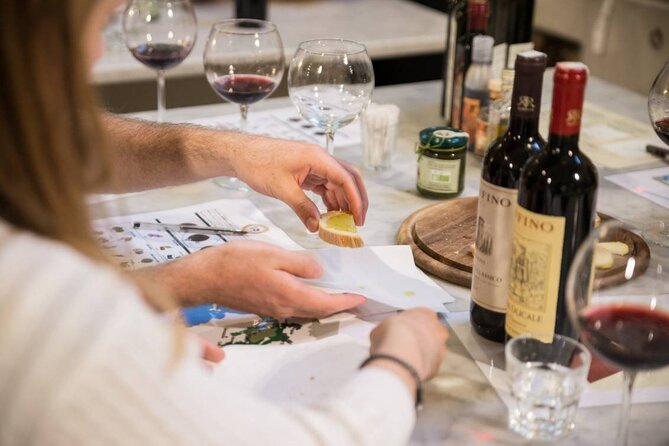
Rioja comes alive in a Bilbao tasting room, one glass at a time. You’ll try five Rioja wines with local cheeses while a sommelier explains the grapes, ageing rules, and small family wineries behind each bottle.
I like the intimate group size, capped at 12, and the way the tasting goes beyond the usual Tempranillo talk. I also like that sommelier Irene brings a warm, practical teaching style, helping you feel more comfortable with Spanish wine and even Txakoli.
The main drawback is the short format. At about 90 minutes, this is a focused introduction rather than a full-day wine outing into Rioja itself. You’ll taste and learn in Bilbao, but you won’t visit vineyards or wineries.
Key points
- Five Rioja wines: Taste a broad selection rather than stopping at one bottle or style.
- Local cheese pairings: Each wine is served with cheese to show how food can change the tasting.
- Sommelier-led instruction: Irene explains grapes, winemaking, and ageing in an approachable way.
- Beyond Tempranillo: Learn about the authorised Rioja grape varieties, not just the region’s best-known name.
- Small family producers: The wines come from boutique wineries with traditional, personal stories.
- Compact Bilbao setting: Meet at Gastronomía Bilbao for a 90-minute session that fits neatly into a city day.
Five Rioja wines in 90 minutes
This tasting is built around five wines, which gives you enough variety to compare styles without turning the session into a marathon. The format suits you if you want a useful introduction to Rioja before ordering bottles at dinner or visiting the wine region later.
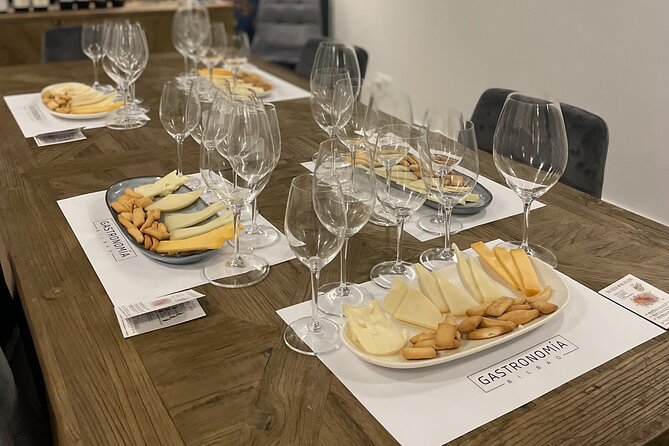
The tasting takes place at Gastronomía Bilbao, in a wine bar and dedicated tasting room near Salbe Plaza. You meet at Salbe pl., 6, 48007 Bilbao, at 11:30 am, and the session returns to the same point when it ends.
The exact order and labels are not specified, so you should not expect a fixed list of bottles in advance. What is clear is the purpose: to introduce you to selected wines from small, family-run Rioja producers and explain what makes them different.
That focus matters. Rioja is often reduced to one word, Tempranillo, but the region permits several grape varieties. You’ll learn that the finished wine depends on more than the grape alone. Winemaking choices, ageing, and the character of the producer all shape what reaches your glass.
More Wine and Cheese Tastings in Spain
- Tacoronte: Guided Winery Tour with Wine and Cheese Tastings
★ 4.6 · 481 reviews - Tenerife Bodegas Monje Winery Tour with Wine and Cheese Tasting
★ 4.5 · 121 reviews - Visit and wine tasting with sausage and BODEGA PIRINEOS cheese
★ 5.0 · 73 reviews
Understanding Rioja beyond Tempranillo
Tempranillo is the famous Rioja grape, but this tasting makes room for the wider picture. You’ll hear about the authorised grape varieties used in Rioja and how they contribute to the region’s wines.
The supplied details do not identify the individual grapes or explain which varieties appear in each bottle. That is worth keeping in mind if you want a technical masterclass with a precise tasting sheet. Still, the lesson is designed to move you past the usual beginner’s shortcut: Rioja equals Tempranillo.
I like that approach because it gives you a better way to read a wine list. Instead of asking only for a Rioja, you can start thinking about grape mix, ageing category, and producer style.
The sommelier’s role is central here. Irene explains the wines with enthusiasm and a welcoming manner, according to the available feedback. That makes a difference in a subject that can quickly become stuffed with jargon. You can ask questions without needing a strong wine background first.
The session also covers the technical side of production. You’ll see how grapes become finished wine through choices made by the producer, including the amount of time the wine spends ageing.
Crianza, Reserva, and Gran Reserva explained
For many visitors, the Rioja ageing labels are the most useful part of the lesson. Crianza, Reserva, and Gran Reserva are not just decorative words on a bottle. They refer to different ageing requirements, and understanding them helps you make better buying decisions.
The tasting explains those categories directly. You’ll learn how the ageing level affects the wine’s character and why two Rioja bottles can taste quite different even when they come from the same broad region.
The information provided does not list the exact ageing periods or promise one bottle from each category. So think of this as a guided introduction to the system, not a guaranteed three-bottle comparison.
Still, this is practical information you can use right away. Once you understand the labels, a restaurant menu becomes less mysterious. You can make a choice based on the kind of wine you want, rather than picking a bottle at random.
The discussion also connects ageing with skill. The point is not simply that a wine spent time in storage. The sommelier shows how technical decisions and patience affect the final result. That gives the tasting more substance than a sequence of pours and generic tasting notes.
Cheese pairings that sharpen the lesson
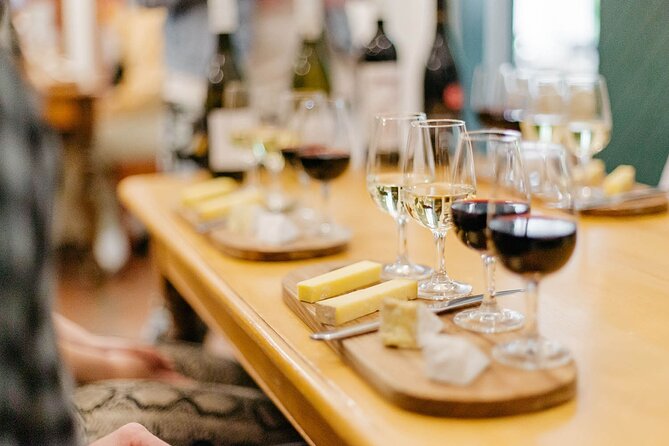
Every wine is paired with local cheese, giving you a second way to understand what you are tasting. Cheese can soften certain wine sensations, bring out fruit, or make acidity more noticeable. It turns an abstract lesson into something you can judge for yourself.
The pairings are one of the strongest reasons to book this instead of attending a basic wine flight. You are not only asked to smell and sip. You can taste how the wine behaves with food, which is closer to the way most people actually enjoy a bottle.
The available details do not name the cheeses or describe the pairing order. You should not book expecting a published menu of particular regional cheeses. The useful promise is the format: local cheeses are selected to accompany the five wines.
The pairing also makes the experience suitable for mixed groups. One person may already care about wine, while another simply enjoys good food. Both can get something from the same glass and plate.
If you have dietary restrictions, the supplied information does not specify substitutions. It is sensible to ask Gastronomía Bilbao before booking if that matters to you.
Same region, a different board:
- Guided Visit to the Estrella Galicia Museum with Cheese Pairing
★ 5.0 · 218 reviews - Fuerteventura: Artisan Goat’s Cheese Making at Local Farm
★ 4.9 · 112 reviews - Menorca: Guided visit to the Subaida cheese factory,
★ 4.5 · 96 reviews - Sangria Workshop and Tasting with Local Cheese
★ 5.0 · 86 reviews
Small family wineries, not just famous labels
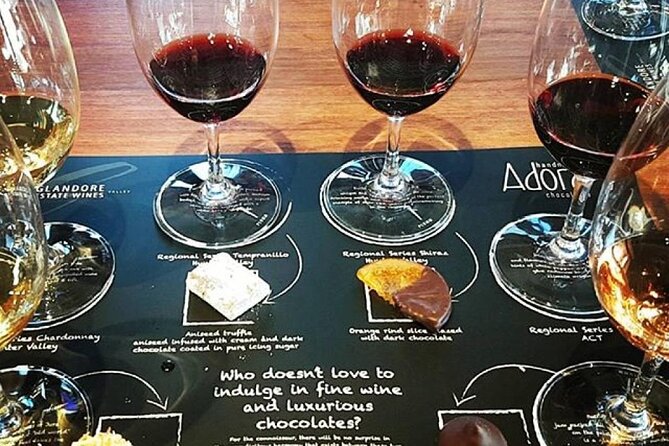
The wines come from small boutique family wineries. That gives the tasting a personal angle, even though the names of the producers are not listed ahead of time.
Large, familiar labels can be useful introductions, but small producers often give a tasting a stronger sense of place and personality. Here, you’ll hear about the tradition and care behind the bottles, not just the basic facts printed on a label.
Do not mistake boutique for guaranteed rarity. The details do not say that the wines are limited releases, unavailable elsewhere, or difficult to buy. The value is in meeting the wines through a sommelier who can explain the people and decisions behind them.
I also like that this focus keeps the session connected to real wine culture. Rioja is not only a brand or an ageing label. It is made by producers with different approaches, and the tasting gives those differences room to appear.
Irene’s warm teaching style
Irene is the named sommelier connected with the experience. Her style is described as passionate, warm, and inviting, with a strong command of both wine and cheese.
That combination is important. A sommelier can know a great deal and still make beginners feel out of place. Here, the tone appears designed to welcome questions and make the subject easier to handle.
You can expect explanations of grape varieties, Rioja DOCa, ageing categories, and the craft involved in production. The session is not presented as a silent formal tasting. The teaching is part of the main event.
There is also a local Basque connection. The response to one tasting experience mentions helping people feel more comfortable choosing Txakoli and other Spanish wines. Txakoli is not listed as one of the five Rioja pours, so you should not expect it to be included. But the broader lesson can help you understand Spanish wine beyond Rioja.
The team at Gastronomía Bilbao also uses Basque phrases such as agur and topa. That adds a small local touch without turning the tasting into a staged cultural show.
A useful stop in the middle of a Bilbao visit
The 11:30 am start makes this easy to fit into a day of sightseeing. It is early enough to leave your afternoon open, but late enough that you do not need to begin the morning at dawn.
The activity lasts about one hour and 30 minutes and ends at the meeting point. You do not need to plan a transfer to another part of Bilbao during the session, and there is public transportation nearby.
The meeting point is Salbe pl., 6, in Bilbao. Since the tasting room is in the city rather than in the Rioja wine region, you are paying for instruction and tasting, not transport through vineyards or countryside.
That distinction is important. If your main goal is to see vines, cellar buildings, and rural wine country, this will feel limited. If you want to understand Rioja while staying in Bilbao, the location is a strength.
The mobile ticket keeps the booking simple. Confirmation is provided at booking, and the activity allows service animals. Most people can participate, though the available details do not provide a more specific accessibility description.
Is $66.51 good value?
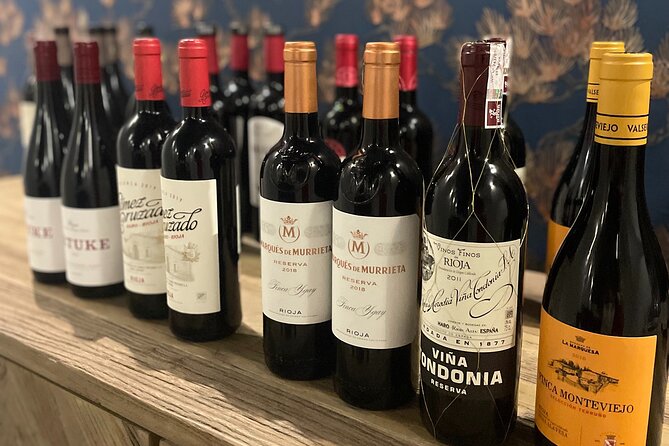
At $66.51 per person, the price is not a minor add-on to a Bilbao day. You are paying for five wines, cheese pairings, a private tasting-room setting, and about 90 minutes with a sommelier.
The value depends on what you compare it with. This is more costly than buying one Rioja bottle and a few cheeses yourself. But that comparison misses the teaching, the selection of boutique wines, and the chance to taste several bottles side by side.
It also costs less than a full wine-region excursion would typically involve, though no price comparison is provided here. Since this experience stays in Bilbao, you avoid a separate outing and keep your schedule flexible.
I see the strongest value for three types of visitors:
- You want a clear introduction before choosing Spanish wines on your own.
- You enjoy both wine and cheese and want the pairing to be part of the lesson.
- You prefer a small, guided activity rather than a large group event.
The price is harder to justify if you already know Rioja well or mainly want a scenic winery visit. In that case, the educational material may repeat things you understand, and the city tasting room may feel too contained.
Group size, timing, and practical planning
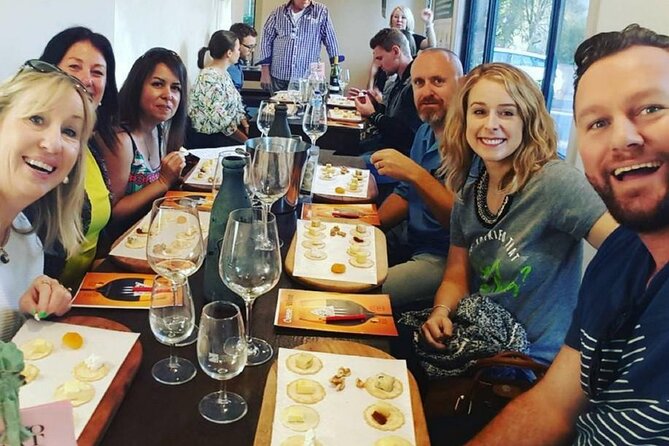
The maximum group size is 12 people. That is small enough to support conversation and questions, while still allowing a social tasting rather than a private appointment.
No exact seating plan or room layout is provided. You’ll be in a wine bar and tasting room, but you should not assume a particular table arrangement.
The activity is offered in English. That makes it a practical choice for English-speaking visitors who want the technical details explained clearly rather than relying on a translated menu.
Free cancellation is available if you cancel at least 24 hours before the 11:30 am start. Cancellations or changes made inside that window are not refunded or accepted. The activity also requires a minimum number of participants, and if that minimum is not reached, you’ll be offered another date or experience, or a full refund.
I would arrive with a little time to find Salbe Plaza. The provided meeting point is clear, but the details do not say how far it is from your hotel or which transport route is best for you. Nearby public transportation helps, but you should still check your route on the day.
Who should book this Rioja tasting?
I would book this if you want a compact, well-guided introduction to Rioja without leaving Bilbao. The five-wine format gives you variety, while the cheese pairings keep the session social and easy to follow.
It also suits couples, friends, and small groups with different levels of wine interest. A beginner can learn the basics, while a more experienced drinker can compare producer styles and ageing categories.
I would be more cautious if you are looking for a full vineyard day. There is no promise of transport to Rioja, cellar tours, vineyard walks, or a larger meal. This is a tasting room experience, not a rural excursion.
It may also be less useful if you dislike structured instruction. The sommelier’s explanations are a central feature, not a brief introduction before drinking.
Should you book it?
Book this experience if you want five carefully explained Rioja wines, local cheese, and a friendly sommelier-led lesson in Bilbao. The small group, boutique family wineries, and clear attention to grape varieties and ageing give it more purpose than a casual wine flight.
Skip it if your priority is visiting vineyards or tasting without much discussion. For everyone else, $66.51 is a fair price for a focused 90-minute session, especially if you want to leave Bilbao better prepared to choose Rioja, Txakoli, and other Spanish wines.
FAQ
Where does the Rioja wine tasting take place?
The tasting takes place at Gastronomía Bilbao, a wine bar and tasting room at Salbe pl., 6, 48007 Bilbao, Bizkaia, Spain.
What time does the activity start?
The activity starts at 11:30 am.
How long does the experience last?
The tasting lasts approximately one hour and 30 minutes.
How many Rioja wines will I taste?
You will taste five Rioja wines.
Is cheese included?
Yes. The wines are paired with local cheeses.
Is the tasting offered in English?
Yes. The experience is offered in English.
What Rioja topics does the sommelier explain?
The session covers authorised grape varieties, Rioja DOCa, and the ageing categories Crianza, Reserva, and Gran Reserva. It also explains the winemaking skill involved in producing the wines.
How large is the group?
The activity has a maximum of 12 participants.
Can I cancel for a full refund?
Yes, if you cancel at least 24 hours before the scheduled start time. Cancellations made less than 24 hours in advance are not refunded.
Just added around Spain
- Cheese Factory Workshop with Wine Tasting in Requena, Valencia★ 4.5 · 3 reviews
- Guided Tour Montesdeoca Cheese Factory – Cheese and Wine Tasting★ 4.5 · 6 reviews
- Hike the Cork Oak trail and try some Delicious Cheese★ 5.0 · 12 reviews
- Private Basque Cheese & Txakoli Wine Tour from San Sebastian★ 5.0 · 20 reviews
- Discover the Art of Idiazabal Cheese in the Basque Country★ 4.5 · 9 reviews
- Menorca: Cheesemaking and Farm-Fresh Product Tasting★ 5.0 · 29 reviews
- Mallorca Wine and Cheese Tasting★ 5.0 · 29 reviews
- Madrid Bike Tour with Churros and Wine, Ham, and Cheese Upgrade★ 5.0 · 8 reviews
Spain Cheese Tours, compared.
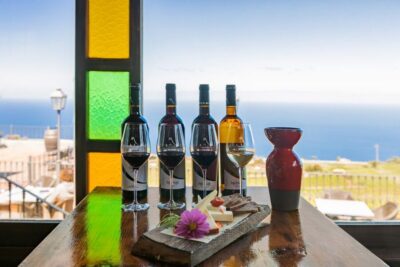
Guided Winery Tour with Wine and Cheese Tastings
Read our review →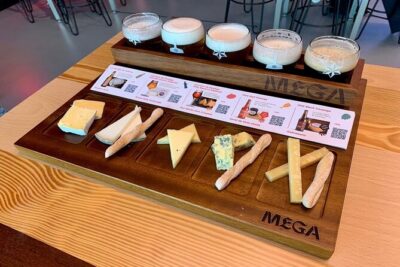
Guided Visit to the Estrella Galicia Museum with Cheese Pairing
Read our review →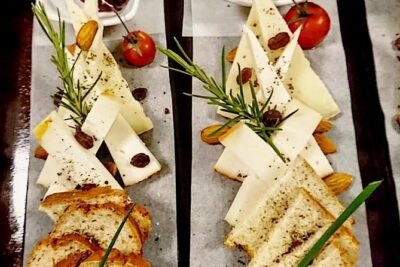
Tenerife Bodegas Monje Winery Tour with Wine and Cheese Tasting
Read our review →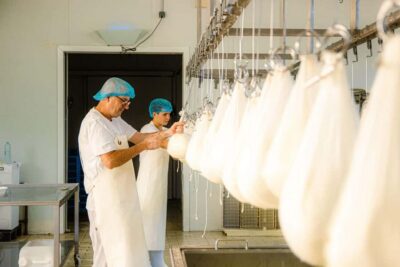
Menorca: Guided visit to the Subaida cheese factory,
Read our review →
Central Madrid: Sangría Workshop & Tasting with Local Cheese
Read our review →
Visit and wine tasting with sausage and BODEGA PIRINEOS cheese
Read our review →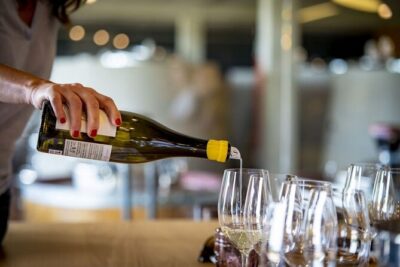
Santiago de Compostela: Cheese and Wine Tasting Experience
Read our review →Browse the lists this tour appears in