
REVIEW · GREECE
Orange & Natural Wines Of Greece with Cheese & Olive Oils
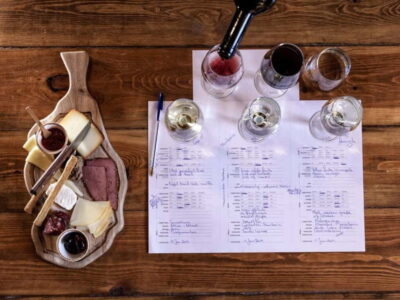
Greek wine gets far more interesting when you move beyond familiar white and red styles. In this one-hour tasting in Central Greece, sommelier Anton presents six organic, biodynamic, natural, and orange wines, with small bites and Extra Virgin Olive Oil to show how Greek producers are working with old grape varieties and modern techniques.
I like the focused format and the unusually broad tasting. You’ll sample limited-production bottles, learn about amphorae, cement, stainless steel, and oak, then test pairings with cheese, herbs, spices, grape must, and olive oil. The main consideration is time: one hour goes quickly, so this suits curious drinkers more than anyone seeking a long winery visit or a full meal.
Key points
- Six distinct Greek wines: The tasting includes organic, biodynamic, natural, and orange styles rather than six similar pours.
- Anton’s personal guidance: He explains production methods, flavor pairings, and Greek wine regions in clear English.
- Small-production bottles: Some wines come from batches of only 200 bottles and may be available through the shop.
- Olive oil is part of the lesson: You’ll learn how Extra Virgin Olive Oil works with wine, cheese, herbs, and condiments.
- Ancient and modern methods: Expect discussion of indigenous grapes, clay amphorae, cement, stainless steel, oak, and bottle ageing.
Six Greek wines in one compact tasting
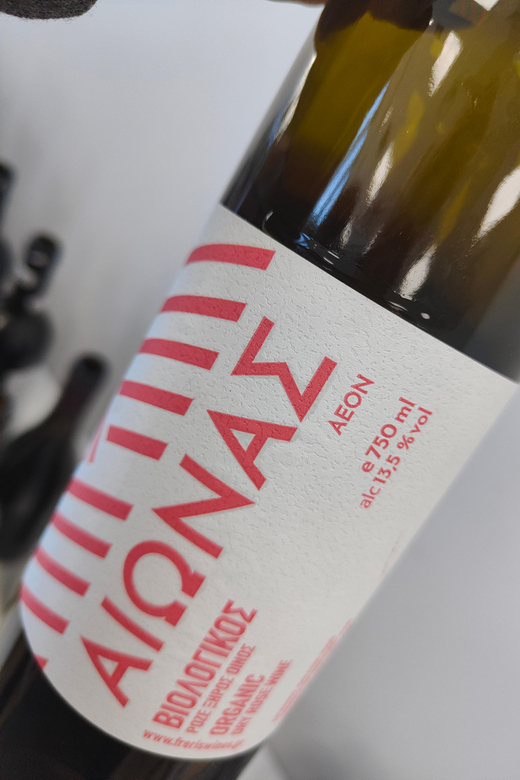
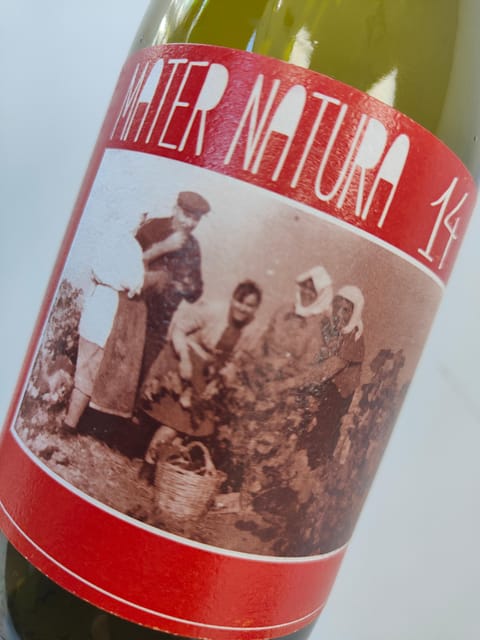
The heart of the experience is simple: six wines, served with the foods that make their character easier to understand. That sounds straightforward, but the selection is designed to move you through several corners of modern Greek winemaking.
You might taste an organic wine beside a biodynamic bottle, then compare both with a natural or orange wine. The point is not to rank one method as best. It is to help you notice how farming, fermentation, ageing, and handling change what ends up in your glass.
I like this approach because natural wine can mean different things to different producers. Here, you get a working explanation rather than a fashionable label with no context. Anton discusses why some wines are made with very little intervention and how that affects aroma, texture, and food pairing.
The six pours also give you a useful introduction to Greece’s less familiar wine culture. Greek wine is not limited to the bottles most commonly seen outside the country. The country has more than 340 indigenous ancient grape varieties, and the tasting uses that variety as a starting point for understanding why Greek wine can taste so different from standard international styles.
More Wine and Cheese Tastings in Greece:
- From Chania: Olive Oil, Wine, Cheese & Honey Tasting Tour
★ 4.6 · 490 reviews - Athens: Acropolis Wine Tasting with Cheese and Olives
★ 4.9 · 337 reviews - Cheese & Wine Trails – Naxos
★ 5.0 · 29 reviews
Why Greek conditions suit these wines
Greece has several natural advantages for this kind of winemaking. The information provided for the tasting points to reliable indigenous grapes, dry winds, and hot days. Those conditions have helped local producers continue working with grape varieties that have been grown in Greece for thousands of years.
That does not mean every Greek wine is automatically unusual or better. It does mean you have a good reason to pay attention to origin. A grape adapted to local conditions can offer flavors and textures you may not know from the usual supermarket selection.
The experience connects those older traditions with current wine science. Some wines may be made in clay amphorae, while others use stainless steel, plain cement, or a small amount of oak. Long bottle ageing can also shape the final result.
I find that context especially useful if you are planning to visit other Greek wine regions during your trip. Anton can explain the relationship between the islands and their wines, and one tasting can give you a vocabulary for asking better questions at another cellar or wine shop.
Orange wine is likely to be the conversation starter
Orange wine is often the most memorable style for people who usually drink white wine. It is made from white grapes handled more like red grapes, with more contact between the juice and grape skins. That can create deeper color, firmer texture, and more savory or earthy flavors.
The tasting does not promise a particular orange wine, but orange wine is included among the styles presented. One participant singled it out as a favorite after finding the whole selection different from previous tastings.
You should arrive with an open mind. Orange wine is not simply a sweet white wine, and it may not resemble the crisp, light glasses often served at a beach restaurant. Its strength is often at the table, where its texture can handle stronger foods and more complex seasonings.
That is where the pairing part matters. Rather than treating the wine as an isolated sample, you can see how a bite of cheese, a herb, a spice, or a condiment changes the taste in your mouth.
Pairings that teach you how to taste
The food served here is not meant to replace lunch. It is a set of small ancient-style nibbles and carefully chosen partners for the wine. Cheese, Extra Virgin Olive Oil, concentrated grape must, herbs, spices, and condiments help demonstrate the basic pairing rule used during the session: powerful foods need powerful wines, while complex foods need wines with enough complexity to keep up.
I like this because it gives you something practical to take home. You are not just memorizing grape names. You are learning why one wine might work with a salty bite, why another needs a richer partner, or why a strong condiment can overwhelm a delicate pour.
The Extra Virgin Olive Oil portion adds another useful layer. Olive oil is often treated as a background ingredient, but tasting it directly can reveal differences in aroma, bitterness, peppery finish, and weight. Here, you learn how it interacts with wine and food rather than simply drizzling it over bread.
Concentrated grape must is another distinctive touch. It links the tasting back to the grape itself and shows how Greek food traditions can use grape products beyond ordinary table wine.
A few more cheese tours around Greece worth a look
- Crete: Farm Visit with Cheese Tasting and Milking Experience
★ 4.9 · 109 reviews - Cheese and Wine Tasting (Guided Tour INCLUDED)
★ 4.5 · 14 reviews - Beer Tasting Evening Experience in Athens with Greek Cheeses
★ 5.0 · 14 reviews - Naxos Mythology & Ancient Sites Tour with Cheese & Wine
★ 4.5 · 12 reviews
Ancient techniques meet present-day production
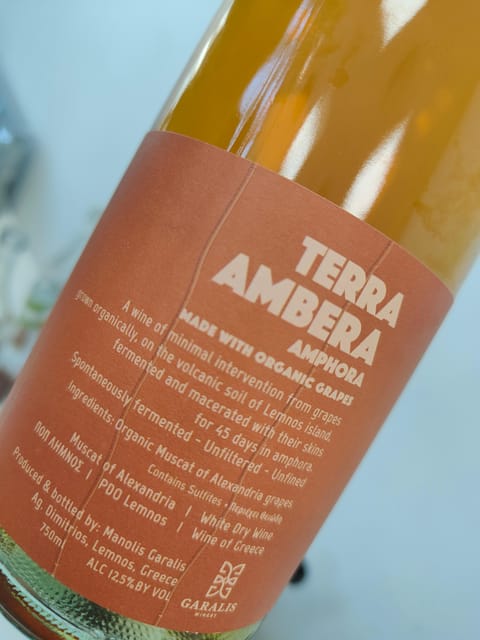
The experience places clay amphorae beside stainless steel, cement, and oak. That comparison is valuable because the container affects how a wine develops, even when the grapes are the same.
Amphorae connect modern Greek wine to old methods. Stainless steel tends to preserve a clean expression of fruit, while cement can offer a different setting for fermentation or ageing. Oak may add another layer, but the tasting makes clear that it is only one possible influence rather than the default measure of quality.
Long bottle ageing also receives attention. Some wines may spend time developing after bottling, which can soften sharp edges and bring out more complex aromas. You do not need a technical wine background to follow this. Anton explains the ideas in accessible English, and the tasting gives you a glass to connect each point with a real example.
This is one reason I would choose the session early in a Greece trip. It can shape how you read wine labels and restaurant lists later. You may begin noticing grape varieties, production choices, and regional references that would otherwise pass you by.
Anton brings the human side of Greek wine
The host, Anton, is described as a passionate wine shop owner and sommelier. His role is more than pouring samples. He explains how the wines are made, shares stories about Greek wine, and connects bottles to islands and local traditions.
You can expect the conversation to be adaptable rather than a fixed lecture. One person specifically received suggestions for other wineries to visit during the rest of a trip. That makes the session more useful if you want to keep exploring Greek wine after the hour ends.
His English is strong, which matters in a tasting built around subtle differences. Wine words can become confusing quickly, especially when a label combines terms such as natural, biodynamic, and orange. Clear explanations let you ask questions without feeling that you need specialist knowledge first.
The tone also seems friendly and relaxed, with room for humor. That helps because the subject can sound serious at first. You can talk about fermentation and bottle ageing without turning the session into a lecture on chemistry.
Limited bottles and what you can take home
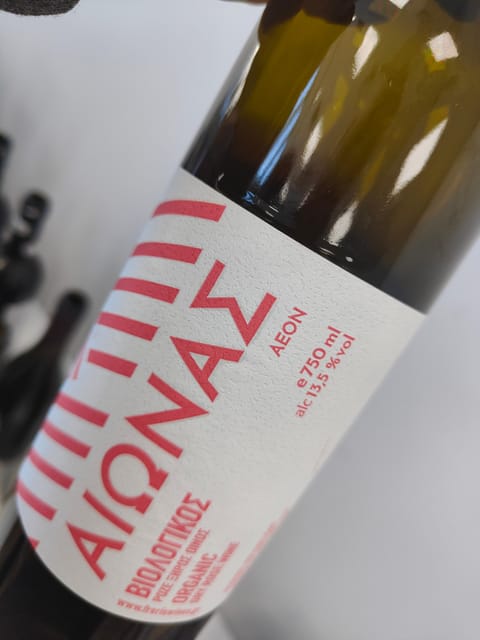
Some of the wines served are made in tiny quantities, with certain bottlings limited to as few as 200 bottles. These are not ordinary mass-market products, and availability can be highly restricted.
The provider’s shop offers some of these bottles for purchase or shipping. That is a practical benefit if you find a wine you want to remember or share after returning home. Still, availability may change, so treat the chance to buy as a bonus rather than the main reason to book.
I would bring a note on your phone if you care about a particular bottle. With six wines in an hour, it is easy to forget which producer made your favorite. Write down the name, grape, style, and the food pairing that worked best for you.
You can also use the tasting as a low-risk way to decide what to buy. Natural and orange wines can be expensive or hard to find in some markets. Sampling first is better than ordering an unfamiliar bottle without knowing if its texture or flavor suits you.
Is $41 a fair price for one hour?
At $41 per person, this is not the cheapest way to have a drink in Greece. It is also more than a casual glass of wine and a plate of olives. The value depends on what you want from the hour.
You receive six wines, food pairings, Extra Virgin Olive Oil, and professional instruction. If you bought six different bottles to compare at home, the cost could quickly exceed the ticket price, especially for limited-production Greek wines. You also avoid guessing which wines belong together and which foods show them at their best.
The session is a better deal for curious wine drinkers than for someone who wants quantity. The pours are part of a guided tasting, not six full glasses. If your main goal is to drink heavily, this is the wrong format. If you want to understand what you are drinking and discover bottles not commonly found outside Greece, the price is easier to justify.
The one-hour length keeps the commitment manageable. You can fit it between sightseeing plans, but you should not expect a leisurely afternoon at a vineyard. No vineyard transport or extended meal is included in the information provided.
Who should book this experience?
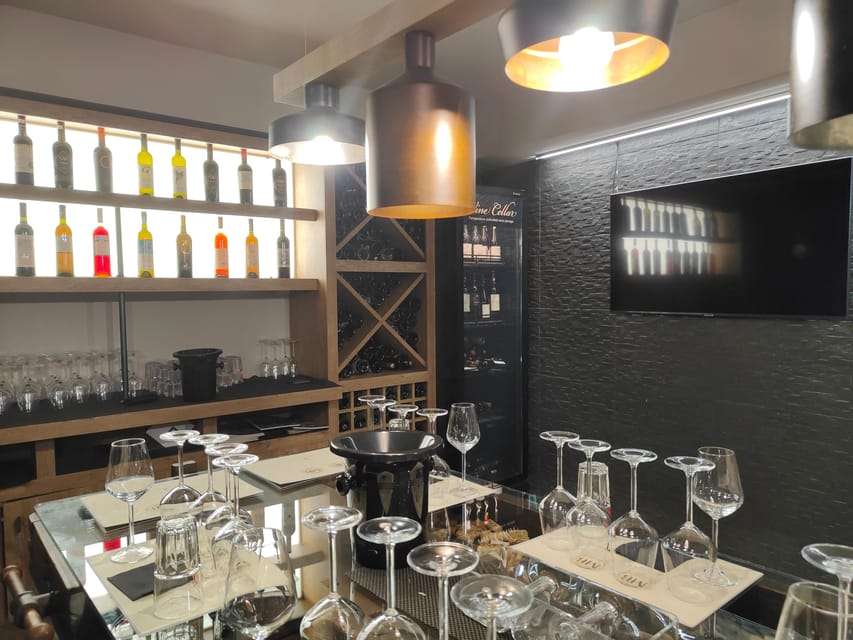
I would recommend it to adults who enjoy food and drink with a story attached. It is especially suitable if you are new to natural or orange wine and want a clear introduction before spending money on bottles.
It also fits people who already know conventional wine but want something less predictable. The selection includes organic, biodynamic, natural, and orange styles, plus wines made from indigenous Greek varieties. That gives experienced drinkers a better chance of finding something unfamiliar.
The session is not suitable for children under 18, and the stated upper age limit is 95. English is the teaching language, so you should be comfortable following a wine discussion in English.
You may want to skip it if you prefer large, classic Greek whites and reds with minimal explanation. You may also find it too short if you want a tour of vineyards, a substantial meal, or a long technical seminar.
Practical timing and booking advice
The activity lasts one hour, with starting times based on availability. Check the schedule before building the rest of your day around it.
You can reserve now and pay later, which helps if your Central Greece plans are still moving. Free cancellation is available up to 24 hours before the experience for a full refund.
Because the location is given as Central Greece rather than a more exact address, confirm the meeting details when booking. The available information does not specify transportation, group size, or a separate vineyard visit, so do not assume those are included.
I would book this earlier in your itinerary if you want recommendations for other wineries. Anton may help you make better choices for the rest of your trip, and you can return to the tasting notes when ordering wine at dinner.
My call: book it for discovery, not volume
This is a strong choice if you want a compact lesson in the direction Greek wine is taking. The combination of six unusual wines, small nibbles, olive oil, and Anton’s clear explanations gives you plenty to think about after the glasses are empty.
The best reasons to book are the range of styles, the chance to taste limited bottles, and the practical pairing advice. The main limitation is the short format. One hour gives you a sharp introduction, not a full winery day.
Book it if you like trying unfamiliar flavors and want Greek wine to become part of your trip rather than a drink you order without thought. Skip it if you want a full meal, countryside transport, or a long cellar tour. For curious adults, the experience offers good value and a useful introduction to Greece’s natural and orange wine scene.
FAQ
How many wines are included?
Six wines are included in the tasting. The selection features organic, biodynamic, natural, or orange wines from Greece.
How long does the tasting last?
The experience lasts one hour. Starting times depend on availability.
What food is served with the wine?
The tasting includes nibbles, cheese, herbs, spices, condiments, concentrated grape must, and Extra Virgin Olive Oil.
Is the experience conducted in English?
Yes. The instructor language is English.
Can children attend?
No. The experience is not suitable for children under 18.
Can I buy any of the wines after tasting them?
Certain limited-production wines are available exclusively through the provider’s store to buy or ship. Some bottles may come from batches as small as 200 bottles.
Can I cancel and receive a refund?
Yes. You can cancel up to 24 hours in advance for a full refund. You can also reserve now and pay later.
Just added around Greece
- Naxos Mythology & Ancient Sites Tour with Cheese & Wine★ 4.5 · 12 reviews
- Naxos Farm Experience and cheese making★ 5.0 · 5 reviews
- Cheese and Wine Tasting (Guided Tour INCLUDED)★ 4.5 · 14 reviews
- Ios: Cooking Experience with Cheese and Wine Tasting★ 5.0 · 6 reviews
- Cretan Farm Tour with Cheese-Making, Olive Oil Tasting & Picnic★ 5.0 · 10 reviews
- Cheese and Wine Tasting Tour From Chania★ 5.0 · 7 reviews
- Explore Shepherd’s Hut and Cheese Making Process★ 5.0 · 2 reviews
- Beer Tasting Evening Experience in Athens with Greek Cheeses★ 5.0 · 14 reviews
Greece Cheese Tours, compared.
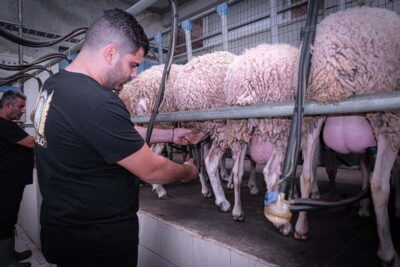
Farm Visit with Cheese Tasting and Milking Experience
Read our review →

Beer Tasting Evening Experience in Athens with Greek Cheeses
Read our review →

Naxos Mythology & Ancient Sites Tour with Cheese & Wine
Read our review →Browse the lists this tour appears in