
REVIEW · ITALY
Sorrento: mozzarella cheese workshop in Vico Equense
Fresh curd, warm hands, and a master cheesemaker named Antonio make this two-hour visit more than a cheese tasting. You work in the spinning room of a small dairy near Vico Equense, learning how milk becomes fior di latte mozzarella, bocconcini, and caciocavallo. I like the hands-on workshop and the chance to see a family dairy tradition carried forward by Antonio. The final tasting, with cheese, bread, cured meats, small local appetizers, and wine, is another strong reason to go.
The main drawback is practical: this is not a broad sightseeing tour of the Sorrento Peninsula. It centers on dairy production, and the experience is not suitable for people with mobility impairments. I would also contact the dairy in advance about allergies, intolerances, or vegetarian and vegan needs, since the tasting changes with seasonal availability.
What makes this cheese workshop worth your time
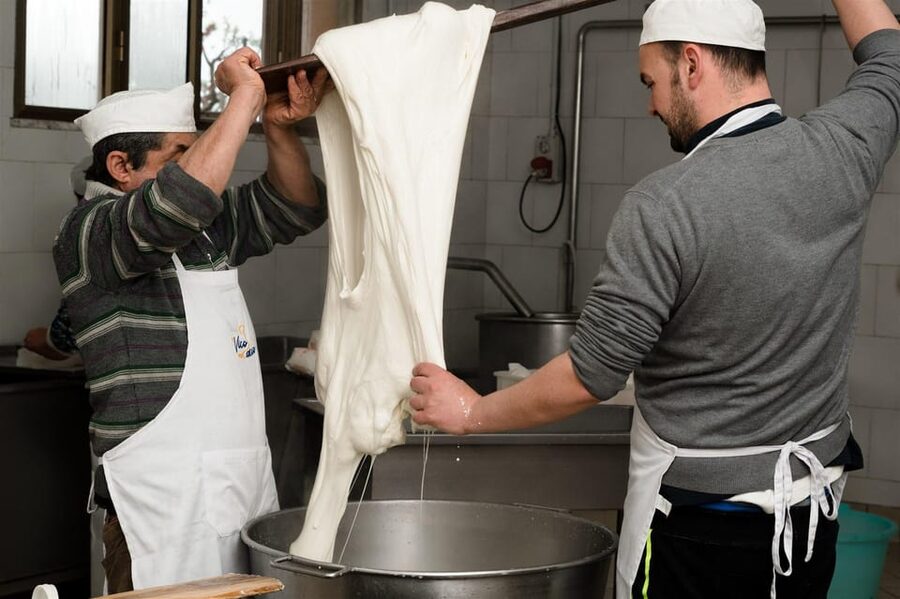
- Antonio’s spinning-room lesson: Learn from a young master cheesemaker who protects an old family method.
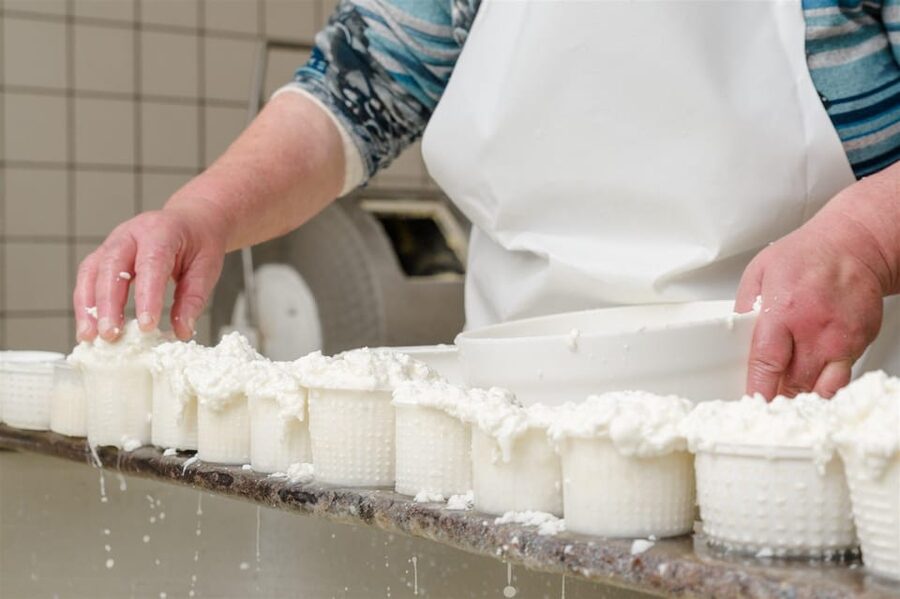
- You make the cheese: Shape bocconcini, caciocavallo, and fior di latte instead of only watching a demonstration.
- A proper Campania tasting: Try fresh and mature cheeses with homemade bread, cured meats, local appetizers, and wine.
- A look at the Monti Lattari dairy tradition: The workshop connects local food to farming in the mountains behind the Sorrento coast.
- A small-group feel: The setting is a traditional artisanal dairy rather than a large industrial plant.
- A useful two-hour format: The visit fits neatly into a day based in Vico Equense or nearby Sorrento.
Starting in Vico Equense’s dairy country
Vico Equense sits on the Sorrento Peninsula, where the Monti Lattari give Campania much of its distinctive dairy culture. Here, cheese is not treated as a decorative extra on a restaurant plate. It is a daily craft tied to local farms, family methods, and the use of fresh milk.
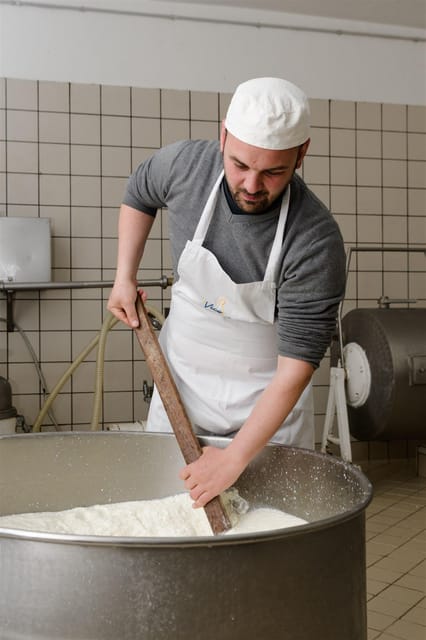
This workshop takes you into that food tradition at a small artisanal dairy. You begin with an introduction to the facility and an explanation of dairy production in the area. That opening matters because it gives you the setting before your hands go near the curd. You learn that the famous cheeses of the region come from a chain of work that includes milk handling, heating, stretching, shaping, and aging.
I like this approach because the visit does not rush straight to the tasting table. You first get a sense of the work behind the food. The experience also introduces more than mozzarella. Butter and Provolone del Monaco are part of the local cheese story, so you get a wider view of Campania’s dairy production than a simple mozzarella demonstration would provide.
The activity is offered in Italian and English. Antonio is the named master cheesemaker, and his role gives the workshop a personal focus. You are not learning from a generic cooking instructor. You are meeting someone connected to a family tradition that has been passed down through generations.
More Cheese Making Workshops in Italy
- Florence: Mozzarella Making Workshop with Wine Tasting
★ 4.9 · 54 reviews - Florence: Mozzarella Cheese Making with Wine and food Tastings
★ 5.0 · 37 reviews - Sorrento Half-Day Farm Experience: Pizza, Cheese Making and Wine
★ 5.0 · 17 reviews
What happens in the spinning room
Before entering the work area, you receive an apron and sterile cap. Comfortable clothing is the sensible choice, since this is a working food room and you will take part rather than sit back with a camera.
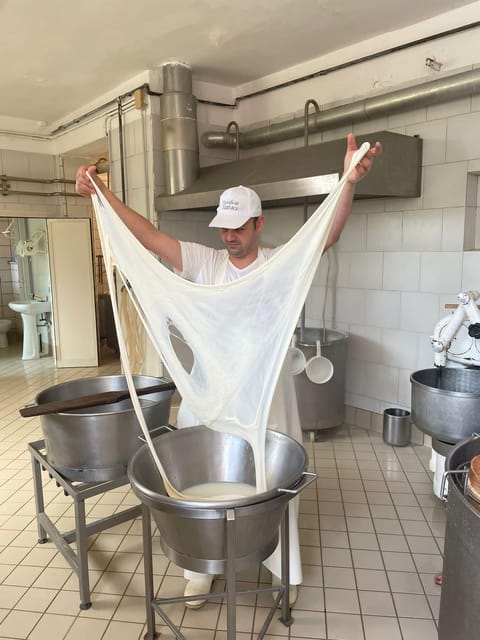
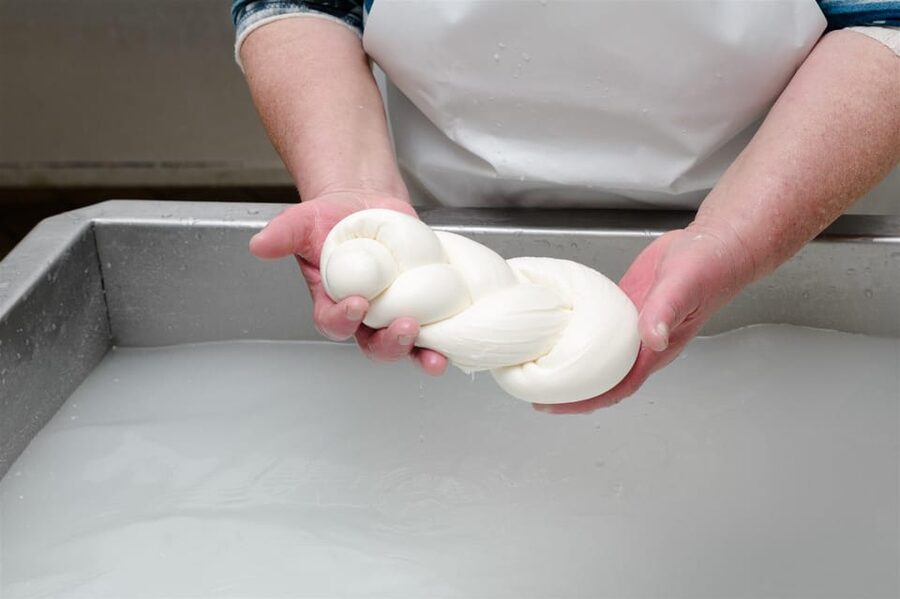
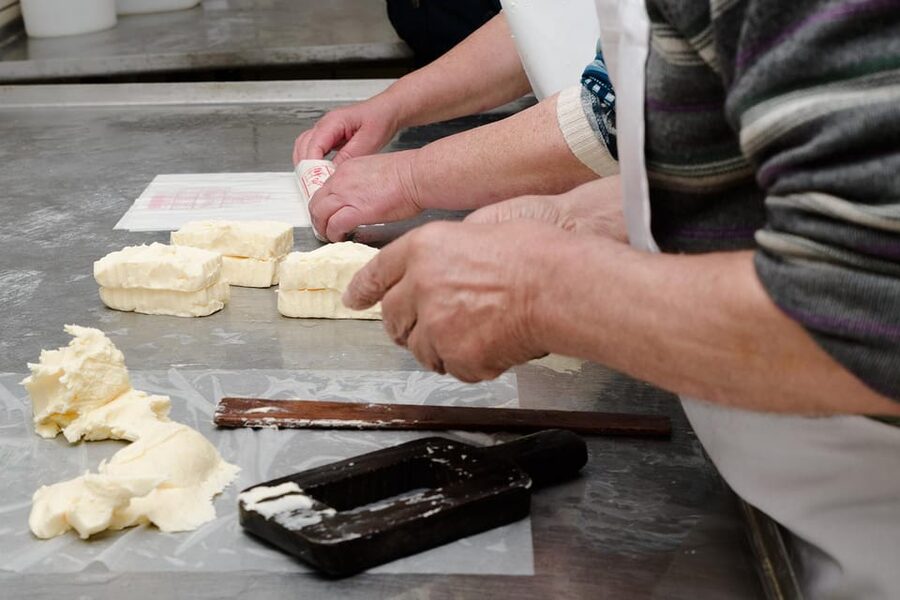
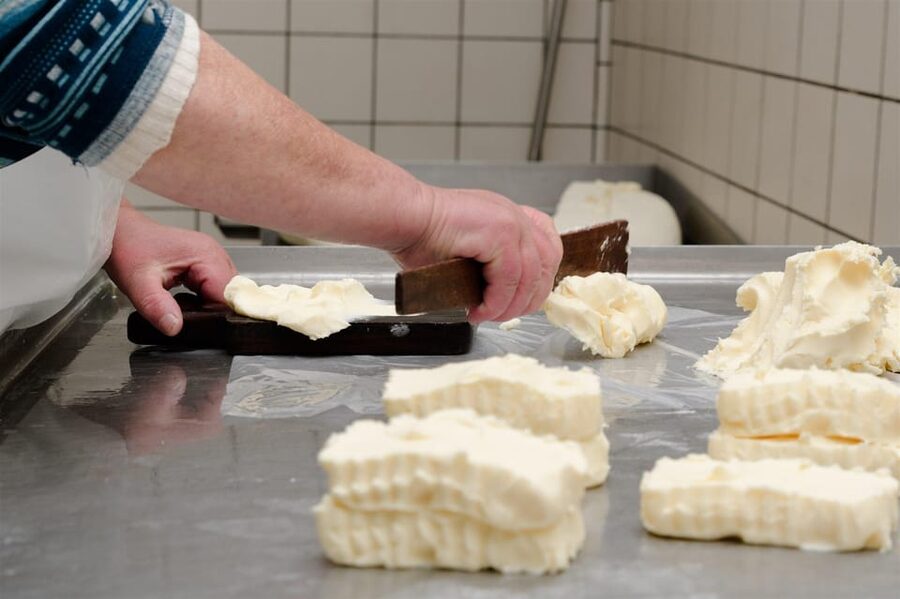
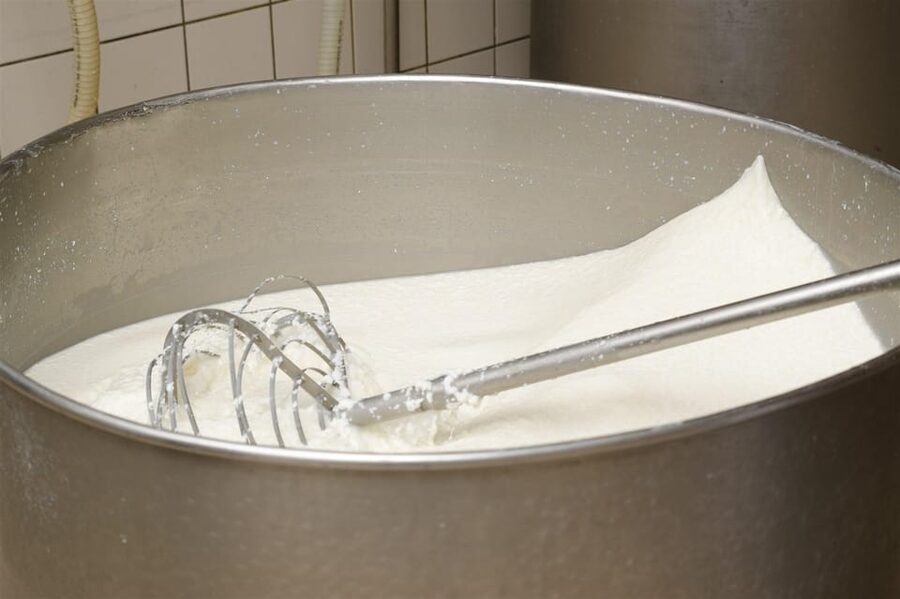
The key stage is the filatura, or spinning process. Cheese curd is worked until it becomes smooth and elastic, then shaped into familiar forms. Antonio guides you through the process and shows you how small changes in handling affect the final result.
You make bocconcini, small pieces of fresh stretched cheese. You also work with caciocavallo, a cheese known for its firmer texture and aging potential. The main product is fior di latte, the dairy’s signature mozzarella made from cow’s milk. The point is not to leave as a professional cheesemaker after two hours. The point is to understand how much skill is hidden inside a food that can look very simple on the plate.
I especially like that you get your hands into the mixture. Many food tours let you watch a demonstration, take a few pictures, and move on. Here, you take an active role in shaping the cheese. That makes the tasting afterward more meaningful because you have seen the product at an early stage.
There is also a practical benefit. Once you have handled fresh curd, you start to notice the difference between soft, moist fresh cheese and firmer aged cheese. You can ask Antonio about the steps as they happen, rather than trying to remember a long explanation at the end.
Tasting fresh cheese, aged cheese, and local wine
The tasting follows the workshop. The exact selection depends on what the dairy has available at the time, so you should not expect one fixed menu on every date. You can expect a mix of farm products, including fresh and mature cheeses.
The tasting may also include cured meats, homemade bread, and small appetizers from the area. A glass of local red wine accompanies the food. This is a generous way to finish a cheese lesson because you get to see how the products work together as part of a Campania table, not just sample a cube of mozzarella on its own.
In summer, the tasting takes place on an outdoor patio. In winter, it moves indoors to the dining room. The seasonal change affects the setting, but the food remains the focus. I would treat this as a relaxed snack-sized meal rather than a replacement for lunch or dinner, since the precise amount and selection are not specified.
The wine is included for adults. For anyone under 18, Coca-Cola is offered instead. If you do not drink alcohol, that detail makes the tasting easier to plan, though the available nonalcoholic option is limited in the information provided.
Food restrictions need attention before you arrive. The tasting can address allergies, intolerances, vegetarian requests, and vegan requests, but you must contact the number on your reservation voucher as soon as possible. Do not wait until you are seated. Because the products vary by season and availability, early notice gives the dairy a better chance to prepare an appropriate option.
The role of Tortorella in the experience
The planned experience also refers to Tortorella, a village in Campania, with attention to its corners, peasant cuisine, crafts, and local history. That adds a broader cultural angle to the food lesson. Cheese makes more sense when you connect it with the rural work, cooking, and handcrafts of the surrounding area.
Still, I would read the description carefully before booking if Tortorella is the main reason you are interested. The confirmed practical details focus on the dairy workshop in Vico Equense, the spinning room, and the tasting. The information does not specify how transportation between locations works, how much time is spent in Tortorella, or whether every departure includes a separate village walk.
For me, the dairy is the reliable core of the activity. The Tortorella element sounds like an added cultural component, but you should confirm its exact arrangement if you need a full village tour rather than a food-centered visit.
More Mozzarella and Buffalo Cheese Tours in Italy:
- Cooking class with Pasta, mozzarella and Tiramisu with wine
★ 5.0 · 549 reviews - Amalfi: Make Fresh Pasta, Mozzarella & Tiramisù with wine
★ 5.0 · 503 reviews - Amalfi: Make Fresh Pasta, Mozzarella, & Tiramisù with Wine
★ 5.0 · 305 reviews - Mozzarella Experience – Cheese Tour and tastings to Masseria Fragnite
★ 5.0 · 266 reviews
Why the two-hour length works
Two hours is enough time to give the visit shape without turning it into a full-day commitment. You receive an introduction, enter the production area, take part in cheese making, and sit down for a tasting. That makes the workshop easy to place between other plans in the Sorrento area.
The short format also keeps the subject focused. You will not spend half a day waiting for a long cooking class to reach the food. On the other hand, anyone hoping for an extensive tour of dairy farming, a large farm visit, or a long lesson on every cheese in Campania may find the time limited.
Starting times vary, so you need to check availability for the date you want. The price is listed at $114.42 per person. That is not a low-cost snack stop, but the fee includes several parts: a guided dairy visit, an English or Italian-speaking instructor, access to the spinning room, the apron and cap, the practical workshop, and the tasting with wine.
I see the best value here in the access and participation. You are paying for a guided look at a working artisanal dairy and for instruction from Antonio, not simply for a plate of cheese. If you only want to eat mozzarella, a local restaurant will cost less. If you want to understand how the cheese is made and take part in the process, the price is easier to justify.
Who will enjoy this most
I would recommend this activity to food-focused visitors, curious families, couples, and anyone who likes meeting local producers. It is especially useful if you want a break from churches, viewpoints, and formal sightseeing. The work is tactile, the food is local, and the subject is specific enough to hold your attention.
It also suits people who want a cultural activity that does not require advanced cooking skills. Antonio leads the process, and the workshop is designed for participation under his direction. You do not need to arrive knowing how to stretch curd or shape cheese.
Families should note the tasting arrangements for children under 18, since Coca-Cola is offered instead of wine. The activity may be less suitable for anyone with limited mobility because it is specifically listed as unsuitable for people with mobility impairments. Pets are not allowed.
I would be cautious about booking if you dislike dairy, do not want to handle food, or expect a major sightseeing program. The experience is built around cheese production. The village and regional culture add context, but they do not replace the central workshop.
Practical advice before you book
Wear comfortable clothes. You will receive protective clothing for the production room, but sensible clothing still makes the visit easier.
Contact the voucher number before the date if you have any food allergy, intolerance, or dietary preference. This includes vegetarian and vegan requests. The tasting is seasonal, so flexibility helps.
English and Italian are available. If you want a particular language, check the selected time when booking. The cancellation policy allows a full refund when you cancel at least 24 hours in advance, and you can reserve now and pay later, which is useful if your Sorrento plans are still shifting.
The experience has received a top rating from the small number of published ratings, and the strongest praise centers on the human side of the visit. Antonio and Angela are credited with sharing the effort, passion, and family tradition behind the cheese. That detail is worth noting because it points to the real appeal: you are not only learning a technique, you are meeting people who care about keeping it alive.
Should you book this Vico Equense cheese workshop?
Book it if you want a close look at Campania’s dairy culture and prefer doing something with your hands. The chance to make fior di latte, bocconcini, and caciocavallo, then taste the results with bread, cured meats, appetizers, and wine, gives the two hours a clear purpose.
Skip it if your priority is a long village tour, a full meal, or a broad sightseeing itinerary. Confirm the Tortorella details before paying if that part is essential to your plans. For food lovers based around Sorrento, though, this is a focused and worthwhile way to meet a local craft through the people who practice it.
FAQ
Where does the mozzarella workshop take place?
The workshop takes place at a traditional artisanal dairy in Vico Equense, in the Sorrento Peninsula area of Campania.
How long does the activity last?
The experience lasts two hours. Starting times vary, so you need to check availability for your preferred date.
Which cheeses will I make?
With Antonio’s guidance, you make bocconcini, caciocavallo, and fior di latte mozzarella in the spinning room.
Is the workshop available in English?
Yes. The instructor is available in Italian and English.
What does the tasting include?
The tasting includes farm products that vary according to seasonal availability. It can include fresh and aged cheeses, cured meats, homemade bread, small local appetizers, and a glass of local red wine.
Are dietary requests possible?
Yes, but you must contact the number on your reservation voucher as soon as possible about allergies, intolerances, vegetarian requests, or vegan requests.
Is the activity suitable for people with mobility impairments?
No. The activity is listed as unsuitable for people with mobility impairments. Pets are also not allowed.
Just added around Italy
- Wine Tasting with Cured Meats & Cheeses in Florence★ 5.0 · 2 reviews
- Tuscany: Ripalte Design Winery Wine and Cheese Tasting Tour★ 4.7 · 15 reviews
- Vico Equense: Tour in the dairy “Mozzarella Experience”★ 5.0 · 19 reviews
- From Parma/Cinque Terre: Truffle & Parmesan Picnic (Tasting)★ 5.0 · 2 reviews
- Turin: Gastronomy tasting through oil, wine and cheese★ 5.0 · 2 reviews
- The Valpolicella food & wine driving tour: cheese factory+ winery★ 5.0 · 6 reviews
- Prosecco Hills Wine and Cheese Gourmet Discovery★ 5.0 · 6 reviews
- Premium Cheeses and Gins Tour in the Prosecco hills. Full lunch!★ 5.0 · 3 reviews
Italy Cheese Tours, compared.
Authentic Farm Tour with Pizza, Cheese, Wine & Limoncello Tasting
Read our review →
Sorrento Farm by Tuk Tuk: Cheese, Limoncello & Hands-On Pizza
Read our review →
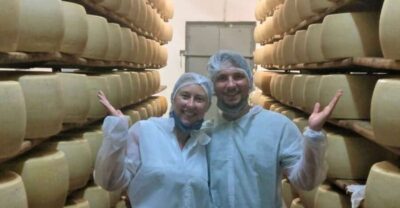
Parmigiano Production and Parma Ham Tour & Tasting
Read our review →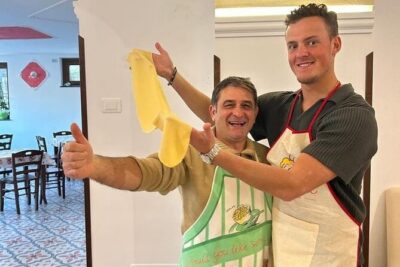
Cooking class with Pasta, mozzarella and Tiramisu with wine
Read our review →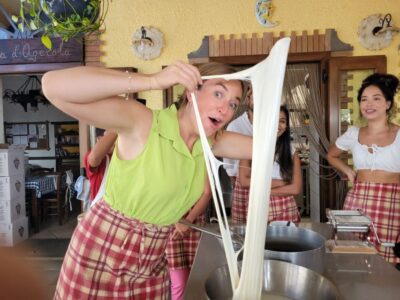
Make Fresh Pasta, Mozzarella & Tiramisù with wine
Read our review →
Make Fresh Pasta, Mozzarella, & Tiramisù with Wine
Read our review →Browse the lists this tour appears in