
REVIEW · PORTUGAL
Vila Nova de Gaia: Port Wine Tasting with Cheese Pairing
The best part of this one-hour Port tasting is the way each wine meets a different Portuguese cheese. You taste Crusted Port with aged sheep cheese, 10-Year-Old Tawny with paprika cheese, and 2009 White Colheita with aged Azorean cheese and local jam. I like that the pairings are built to show how food can change the wine, not just fill the table.
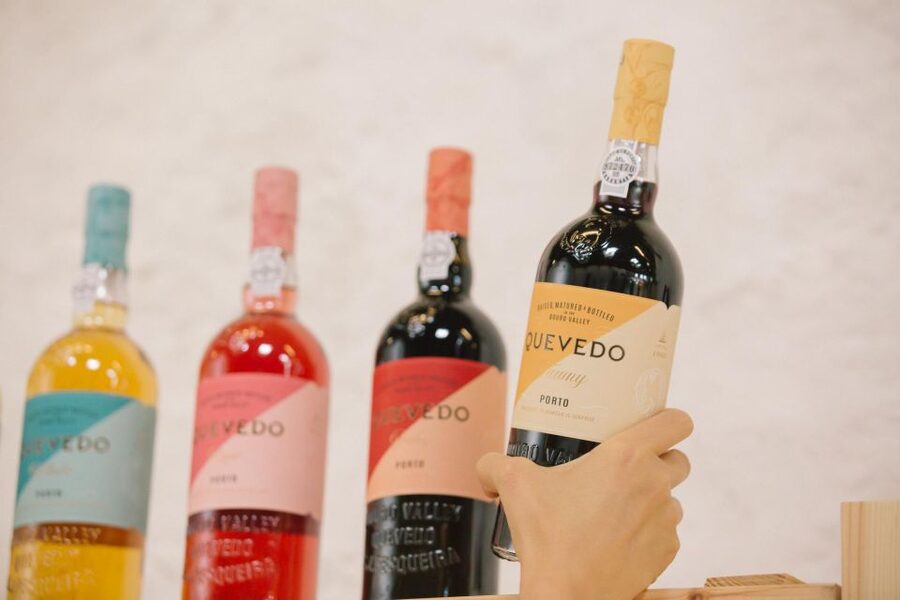
I also like the small setting and the family connection behind Quevedo. Guides such as Miguel, Inês, Bruna, Fernando, and Marcia explain the wines in clear, friendly language, with plenty of room for questions. The main consideration is simple: this is a tasting, not a cellar or winery tour, so you will not visit a working bodega during the hour.
Key points at a glance
- Three distinct Port styles: Taste Crusted Port, 10-Year-Old Tawny, and 2009 White Colheita.
- Cheese with a purpose: Each 40 ml pour comes with a specific cheese pairing, plus local jam with the White Port.
- Small-group setting: The group is limited to eight, which makes questions and conversation easier.
- A local family house: Quevedo has made Port for more than five generations and bottled under its own name since 1993.
- Useful introduction for beginners: The tasting explains Port production, aging, styles, and food matching without requiring prior wine knowledge.
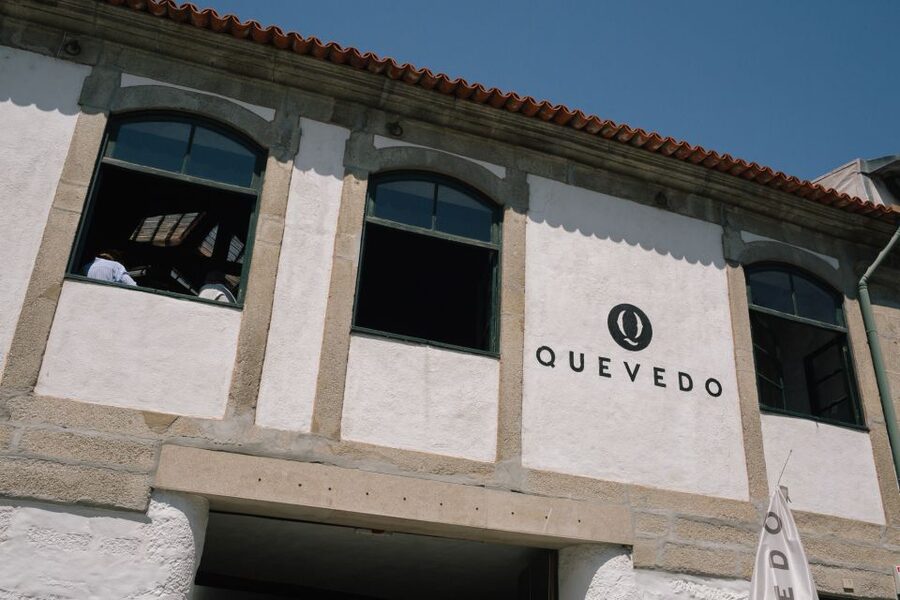
- Easy Gaia stop: The meeting point is Quevedo Port Wine in Vila Nova de Gaia, close to the riverfront area.
Three Ports, three different lessons
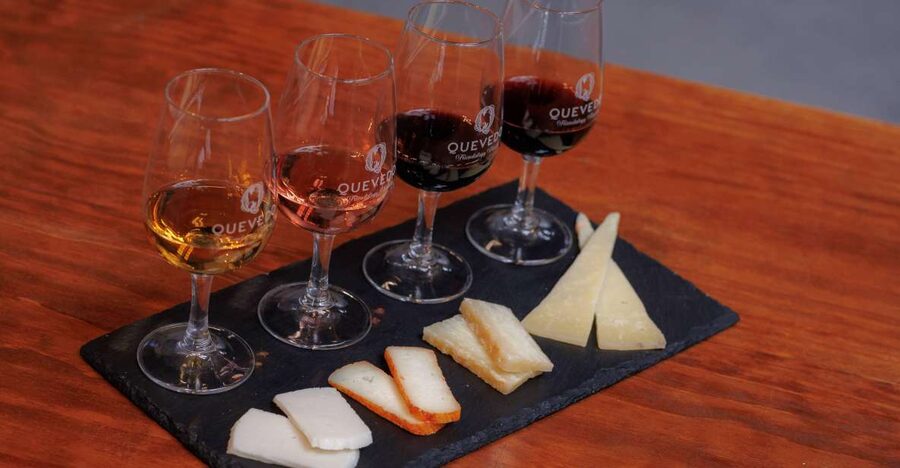
This tasting works because the wines are not three near-identical samples. Each glass introduces a different side of Port, and the cheese gives you a practical way to notice the contrast.
The first pour is Crusted Port, matched with local-aged sheep cheese. Crusted Port is a style that gains character from time in the bottle rather than from a stated vintage. Here, the firm sheep cheese gives you a savory, mature partner for the wine. You can pay attention to how the cheese softens or sharpens the wine’s fruit and texture.
Next comes 10-Year-Old Tawny Port, served with a mixed cow, goat, and sheep cheese seasoned with paprika. Tawny Port is aged in wood, and its profile is different from a younger, fruitier Port. The paprika cheese gives this pairing a little more spice and variation. I like this part for anyone trying to understand why age and cask time matter.
The final pour is 2009 White Colheita, paired with a seven-month-aged traditional Azores cheese and local jam. A Colheita is a dated tawny-style Port made from a single harvest, and the white version gives the tasting a different color, aroma, and shape. The jam adds sweetness and lets you test how a small change in the food alters the balance of the wine.
Each serving is 40 ml unless otherwise noted. That is enough for a proper taste and comparison, but it is not a full glass. If you want additional wines or snacks, those cost extra.
More Wine and Cheese Tastings in Portugal
- Wine and Cheese Tasting Lunch in Portuguese Wine Bar
★ 5.0 · 447 reviews - Lisbon: Portuguese Wine and Cheese Tasting with Lunch
★ 4.7 · 353 reviews - Porto: Cálem Cellar with Chocolate, Cheese, and Wine Tasting
★ 4.6 · 310 reviews
What happens during the one-hour session
You meet the Quevedo staff at their Port Wine location in Vila Nova de Gaia. The setting is described as cozy, open, airy, and peaceful, which makes a difference in a busy wine district where some tastings can feel rushed or crowded.
The session begins with an introduction to Quevedo and the family behind it. The company has been involved in Port production for more than five generations. Portugal’s entry into the European Union allowed the family to bottle under its own brand in 1993, making Quevedo one of the newer named Port houses in the Douro region despite its older family background.
From there, the guide explains where the grapes come from and how the wine is made. Quevedo raises, matures, and bottles its wines in the Douro Valley. The family manages 100 hectares of vineyards and 25 hectares of organic olive groves across five properties, with different sites supplying grapes with different aromas and flavors.
You then move through the three pours. The best guides make this conversational rather than turning it into a lecture. Miguel has been praised for explaining viticulture and winemaking in an easy-to-follow way. Fernando is especially good at connecting Port with the Douro Valley and answering detailed questions. Inês has a knack for translating wine terms into plain language, which helps if this is your first formal tasting.
The tasting itself is usually the main event, not a short add-on to a long tour. You do not walk through production rooms or visit a bodega. That may disappoint you if you want barrels, machinery, or vineyard views, but it also means the full hour is devoted to tasting and discussion.
Why the cheese pairings matter
A Port tasting without food can be enjoyable, but cheese turns it into a more useful lesson. You are not simply deciding which wine tastes sweetest or strongest. You are noticing how salt, fat, spice, age, and fruit affect the drink.
The sheep cheese with Crusted Port gives the opening pairing a firm, savory feel. It is a good place to start because both the wine and cheese have enough character to make the comparison clear.
The paprika cheese with the Tawny is more playful. The mixed milk base brings different flavors, while the paprika adds a mild savory spice. This pairing helps show why Tawny Port can work with more than desserts.
The Azores cheese and jam with the White Colheita bring the tasting toward a sweeter finish. The aged cheese offers salt and firmness, while the jam adds fruit and sugar. You can try the cheese alone, the wine alone, and then the two together. That simple sequence is the best way to get value from the session.
I especially like this format for people who do not usually order Port. You leave with a clearer sense of what you prefer: a more structured wine, a wood-aged Tawny, or a white, harvest-dated style. The food also gives you ideas for serving Port at home.
Guides who make the difference
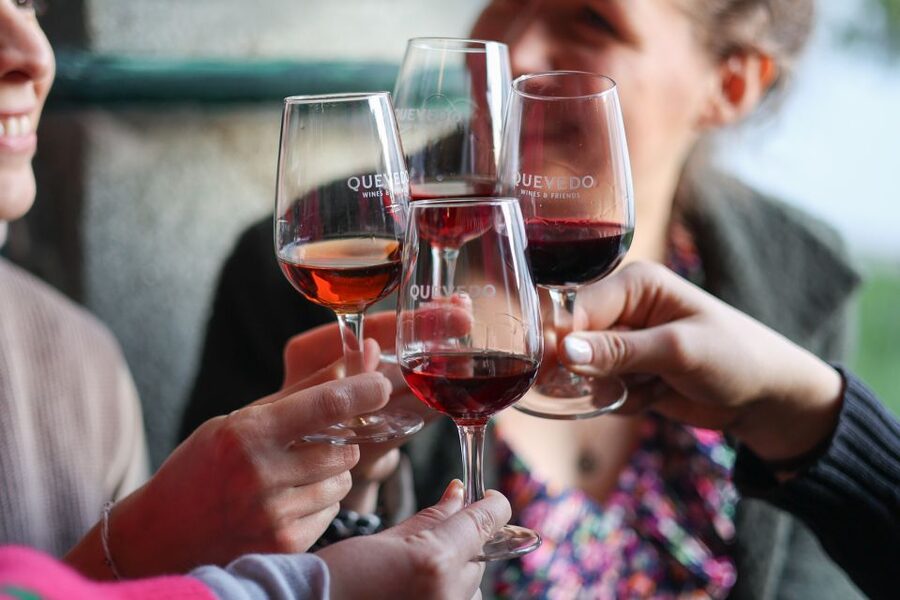
The wines matter, but the guide can shape the whole experience. Quevedo uses Portuguese, English, Spanish, and Russian, and several guides have earned praise for being warm, clear, and relaxed.
Miguel is repeatedly singled out for his command of Port and his ability to explain difficult points without making the session feel stiff. He has also been praised for making cheese and wine interaction easy to understand. Fernando brings strong knowledge of Port, general wine, and the Douro Valley, while also making time for questions. Inês is a good match for anyone who wants technical information translated into everyday terms.
Bruna, Marcia, Rafael, Antonio, Dima, Francisco, and other members of the team also lead sessions. The exact guide depends on the time of your visit, so you should not book expecting one particular person. The consistent feature is an informal teaching style, with guides who appear comfortable discussing both basic questions and more detailed wine topics.
This is useful for beginners, but experienced Port drinkers should not assume the session will be too basic. The small group allows you to ask about aging, grape origin, serving styles, or the reasons behind a particular pairing. Some sessions have included extra samples when participants showed interest, but additional wine is not part of the guaranteed package.
Same region, a different board:
- Wine, Cheese & Charcuterie Tasting, including complimentary tour
★ 5.0 · 110 reviews - Terceira: Half-Day Island Tour with Cheese Tasting
★ 4.4 · 106 reviews - Lisbon Getaway: Private Arrábida Wine & Food Tour
★ 4.9 · 49 reviews - Porto: Wine and cheese tasting on a sailboat on the Douro River
★ 5.0 · 37 reviews
A small group with a relaxed feel
The group limit is eight people. That is small enough for the guide to speak with everyone and large enough to create a bit of table conversation.
Small groups matter in a tasting. You can ask why the White Colheita tastes different from the Tawny, or why a salty cheese changes the finish, without interrupting a large presentation. You also have a better chance of getting a direct answer instead of a general speech.
The setting is not adults-only. Children may be present in another group or in the wider venue, so this may not suit you if you want a quiet, formal wine seminar. The overall mood is informal and social rather than hushed and ceremonial.
Some sessions have included live fado music, but that should be treated as a possible extra rather than a standard part of the booking. The dependable elements are the three Port samples, three cheese pairings, and staff-led explanation.
Is $30 a fair price?
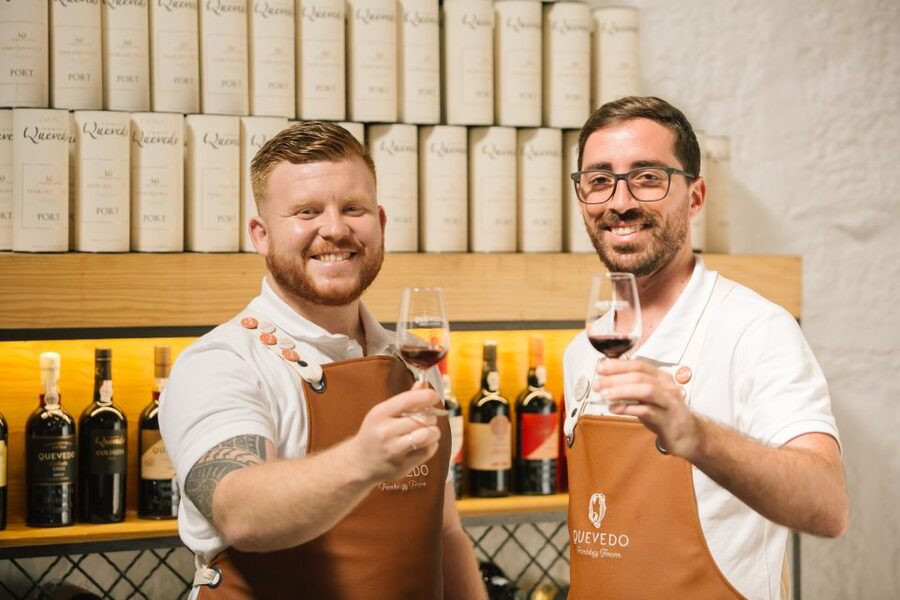
At $30 per person, the experience offers a good amount for an hour, particularly if you are comparing it with large Port houses nearby. You receive three 40 ml pours, a separate cheese pairing for each, and a guided explanation of Port production and styles.
The value is strongest if you are new to Port or want a focused introduction before buying bottles. Instead of tasting one style and guessing what else you might like, you sample three different profiles and learn why they differ. The food also makes the tasting more substantial than three small pours served on their own.
The price is less compelling if your main goal is a full winery visit, a long cellar walk, or a large meal. This is not that kind of outing. It is a compact tasting in Gaia, and additional wine or snacks are not included.
Compared with the cost of a casual drink near the river, the session gives you more context and a better chance to understand what is in your glass. The price also supports a smaller Portuguese-owned house rather than only the biggest names in the Port trade.
Who should book this tasting
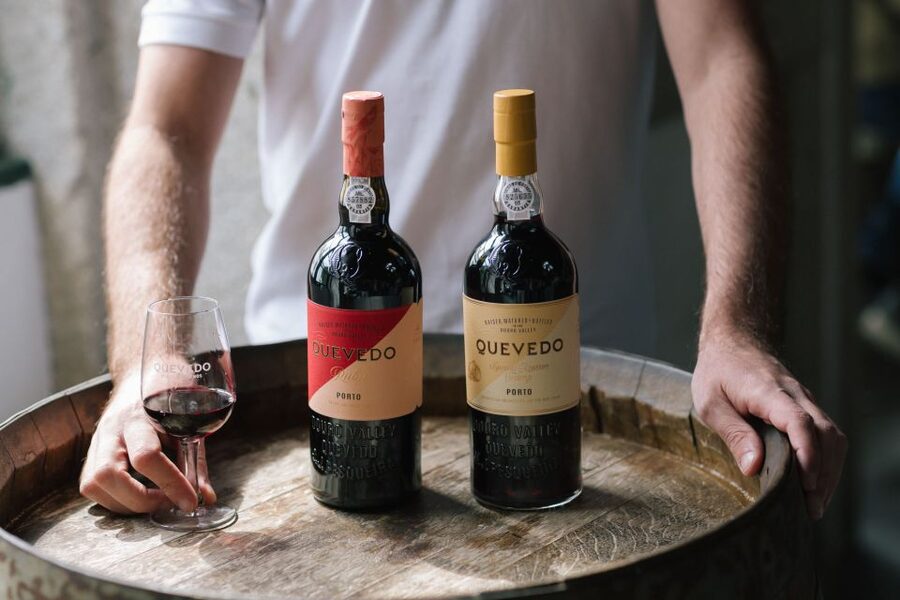
I would recommend it most strongly to first-time Port drinkers. The sequence is clear, the explanations are accessible, and the cheese gives you a practical reference point for each style.
It also suits couples and small groups who want something social but not time-consuming. You can fit the tasting around a day in Porto or Vila Nova de Gaia, and the one-hour length leaves room for the riverfront, dinner, or another wine stop.
Food lovers should enjoy the pairing angle. The cheese is not decoration. It is part of the lesson, and the salt, spice, age, and jam give you several ways to compare the wines.
Experienced Port drinkers may still find value here, especially if they want to try Quevedo wines or ask about the Douro properties and production methods. Just keep your expectations focused on tasting and conversation, not a behind-the-scenes winery visit.
The tasting is wheelchair accessible, and the small group limit makes the space less overwhelming than a large public presentation. Guides speak Portuguese, English, Spanish, and Russian.
Planning your stop in Vila Nova de Gaia
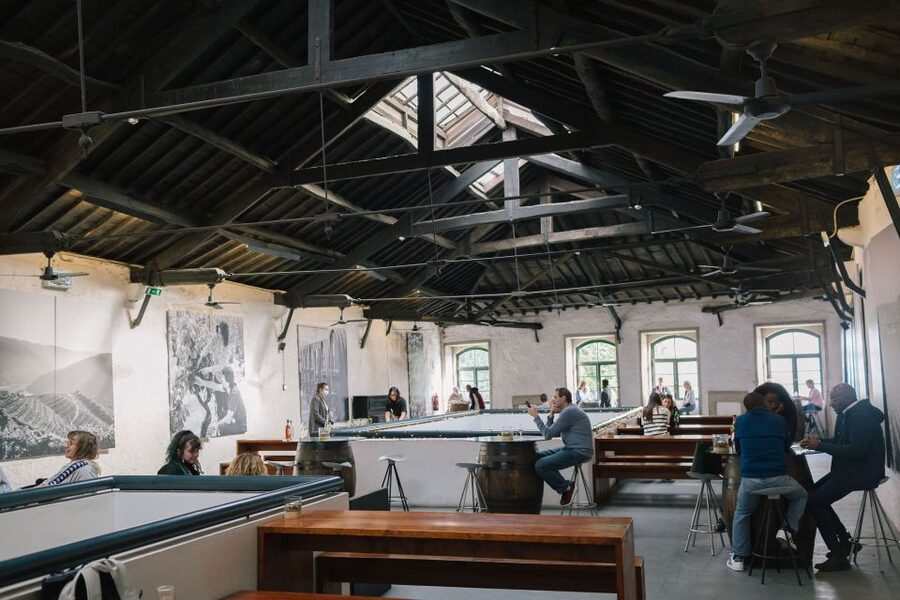
Your meeting point is Quevedo Port Wine, where you should speak with a local staff member. The activity is in Vila Nova de Gaia, the city across the river from central Porto and the traditional home of many Port houses.
Allow the full hour, and arrive ready to taste rather than eat a meal. The three cheese portions add substance, but they are pairings, not a replacement for lunch or dinner. If you want more wine or snacks, budget separately.
You can cancel up to 24 hours ahead for a full refund, and the reserve-now, pay-later option keeps your plans flexible. Starting times vary, so check availability before choosing the day.
My verdict: a smart first Port tasting
I would book this if I wanted a friendly, focused introduction to Port in Vila Nova de Gaia. The strongest features are the three genuinely different styles, the thoughtful cheese matches, and the guides who explain the subject without burying you in wine jargon.
The drawback is clear: you will not tour a cellar or see Port being made. If that is essential, choose a longer production visit instead. If you want to taste well, learn the basics, and understand how food changes the wine, $30 is a sensible buy.
FAQ
How long does the Port tasting last?
The tasting lasts one hour.
How many Port wines are included?
Three glasses of Port are included. Each serving is 40 ml unless otherwise noted.
Which Port wines will I taste?
The tasting includes Crusted Port, 10-Year-Old Tawny Port, and a 2009 White Colheita Port.
What cheeses are paired with the wines?
Crusted Port comes with local-aged sheep cheese. The 10-Year-Old Tawny comes with mixed cow, goat, and sheep-aged paprika cheese. The White Colheita comes with seven-month-aged Azores cheese and local jam.
Is this a winery or cellar tour?
No. It is a tasting session with explanations about Port, the Douro Valley, and Quevedo. A visit to the bodega is not included.
How many people can join the group?
The group is limited to eight participants. The activity is wheelchair accessible, and hosts may speak Portuguese, English, Spanish, or Russian.
Just added around Portugal
- Cheese Walk & Atelier with a Goat Shepherd in Aoleão★ 5.0 · 2 reviews
- WineTour Palmela – Cheese, Wine & Bread★ 5.0 · 2 reviews
- Private Porto Half Day Tour: Port Wine Cellars and Cheese Tasting★ 4.5 · 6 reviews
- Bread, Wine&Cheese, The Natural Taste★ 5.0 · 3 reviews
- Private Tour to Arrabida with Wine and Cheese Tasting at the Mourisca Tide Mill★ 5.0 · 9 reviews
- Private Azeitão Cheese Workshop: Wine & Sesimbra from Lisbon★ 5.0 · 2 reviews
- Serra da Estrela – Half-day off-road tour with cheese tasting★ 5.0 · 3 reviews
- Walk in the Hills with Goat Herder-Local Honey, Wine and Cheese Tasting★ 5.0 · 9 reviews
Portugal Cheese Tours, compared.
Wine and Cheese Tasting Lunch in Portuguese Wine Bar
Read our review →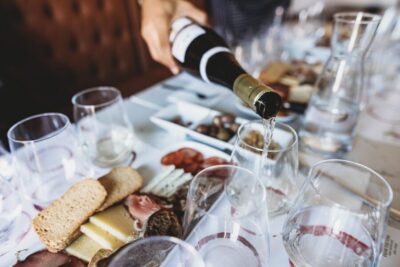
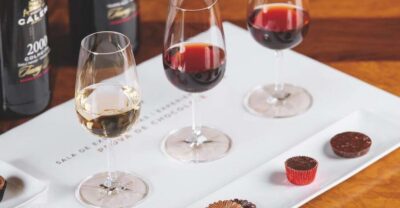
Cálem Cellar with Chocolate, Cheese, and Wine Tasting
Read our review →
Wine, Cheese & Charcuterie Tasting, including complimentary tour
Read our review →
Terceira: Half-Day Island Tour with Cheese Tasting
Read our review →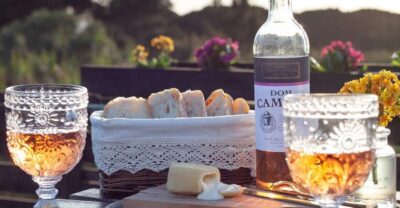
Lisbon Getaway: Private Arrábida Wine & Food Tour
Read our review →
Browse the lists this tour appears in