
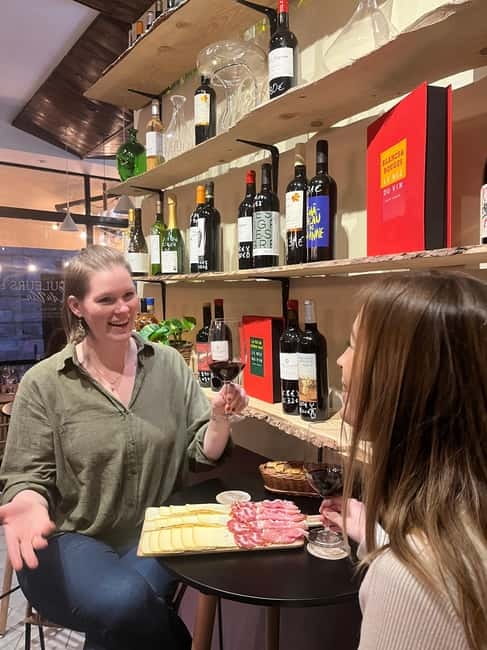
REVIEW · BORDEAUX
Blind Tasting: 4 Bordeaux Natural Wine + Cheese experience
Bordeaux wine can feel like a code, but this one-hour tasting gives you the key: taste first, then learn what is in your glass. You’ll sample four local organic wines from small family chateaux, moving from white to red and finishing with a sweet wine, while a sommelier explains the clues.
I like the blind format because it turns wine study into a friendly guessing game, and I like the food pairing because three cheeses and two kinds of dry meat make the lesson practical. The main drawback is the short listed duration. An hour is enough for a brisk introduction, but an engaging host may keep you there longer, so do not schedule your next activity too tightly.
- Four Bordeaux styles in one sitting: Taste one white, two reds, and one sweet wine from different Bordeaux areas.
- A real blind tasting: Use your nose and palate before the sommelier reveals each bottle.
- Useful label lessons: Learn how to read French wine labels and understand the 1855 classification.
- Local, organic producers: The wines come from small family chateaux in the Bordeaux area.
- Food makes the lesson clearer: Three cheeses and two types of dry meat show how pairing changes a wine.
- Easy Saint Michel meeting point: Find the group in front of the Flamboyant Saint Michel Church.
Four Bordeaux Wines, One Hour of Clues
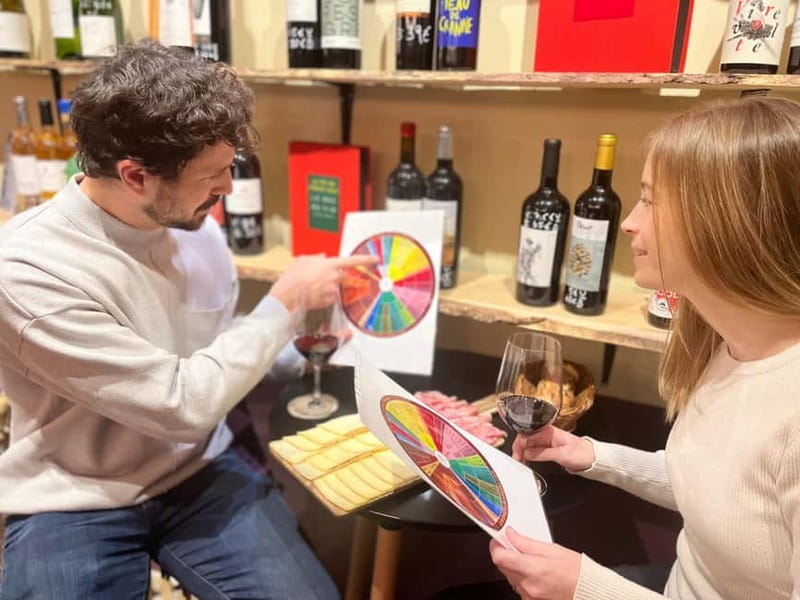
This tasting is built around four pours, each chosen to show a different side of Bordeaux. You receive one white, two reds, and one sweet wine, then try to identify what you can before the sommelier explains the wine’s origin and character.
That order gives the session a clear rhythm. The white starts the tasting with a lighter style, the two reds let you compare Bordeaux’s better-known category, and the sweet wine offers a different finish. You are not simply drinking four similar wines from one part of the region.
The blind element matters. Instead of being told the name, vintage, or grape first, you can look at the color, smell the wine, taste it, and make a guess. Even a wrong guess is useful because the sommelier can explain which clues led you in another direction.
Expect a social activity rather than a quiet formal tasting. The description invites you to sniff around with friends and family, and that is part of the fun. You can compare impressions at the table, test your nose, and see how differently people read the same glass.
Meeting Beside Saint Michel Church
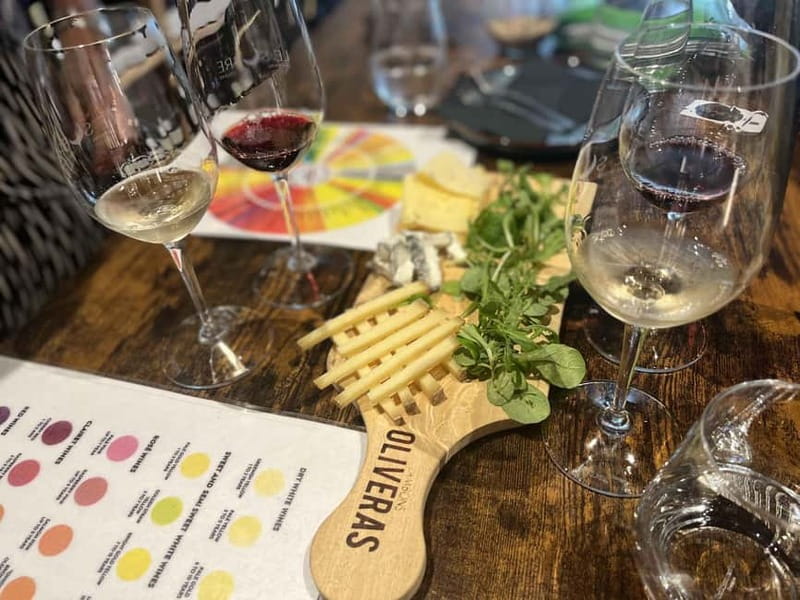
The meeting point is in front of the Flamboyant Saint Michel Church in Bordeaux’s Nouvelle-Aquitaine region. That gives you a clear urban landmark, but you should still allow a little time to find the exact meeting area and arrive ready to start.
This is a good activity to place near the middle of a day in Bordeaux. You do not need to arrange transport between vineyards, and the short format fits neatly between sightseeing plans. It also works well as an introduction before you visit other wine-related sights.
The tasting is offered in French and English, with a live guide. Ani is one guide associated with the experience, and the session is designed around questions as much as prepared information. If you are curious about a grape, a label, or the reason a wine tastes different beside cheese, ask while the glass is in front of you.
The setting is wheelchair accessible. Pregnant women and children under 18 are not permitted, and you should mention any allergies before taking part.
More Wine and Cheese Tastings in France
- Professional – Bordeaux Wine and Cheese Tasting with a walking tour
★ 5.0 · 218 reviews - Tasting of 6 Bordeaux wines and pairing charcuterie & cheese
★ 5.0 · 199 reviews - Bordeaux: Wine Masterclass with Cheese and Charcuterie Board
★ 4.9 · 184 reviews
What the Blind Tasting Teaches You
A blind tasting is not a test of how much you already know. It is a way to slow you down and notice small details that are easy to miss when you see a familiar bottle name.
You will be guided through the basic habits of tasting: look at the wine, smell it, taste it, and think about what you are sensing. The sommelier then reveals the answer and connects it to the region, grape variety, winemaking, vintage, or style.
The lesson covers the main grape varieties used in Bordeaux. The supplied information does not specify which grapes appear in the four bottles, so you should treat the tasting as an introduction to Bordeaux varieties rather than expect a fixed grape-by-grape lineup.
You will also hear about the important wine regions in Bordeaux. This is useful because Bordeaux is not one single wine style. The area includes several recognized regions, and a bottle’s origin can tell you much about what you are likely to find in the glass.
The session also explains the 1855 classification, an important part of Bordeaux wine culture. Rather than memorizing a list, focus on what the classification means when you see it connected to a wine’s reputation and label. The sommelier’s job is to turn that background into something you can use.
Reading a French Wine Label
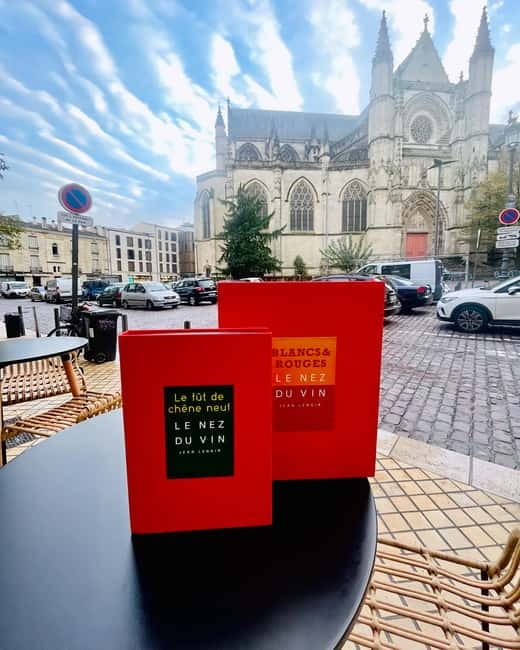
French labels can look spare compared with labels that place the grape name in large type. In Bordeaux, the place and producer often matter more than a bold grape declaration, so a short label lesson can save you confusion when you shop or order wine later.
You will learn how to read a French wine label like a professional. That means paying attention to the chateau name, appellation, vintage, and other information rather than judging the bottle by a familiar grape name alone.
This is one of the most useful parts for a first-time Bordeaux drinker. You may not remember every term after one hour, but you should leave with a better sense of what to look for and which questions to ask.
The session also connects labels to the stories of the winemakers, the vintage, and the history of the wine. Because the bottles come from small family chateaux, the focus is not only on famous names. You get a closer look at how local producers present their wines.
Cheese, Dry Meat, and the Logic of Pairing
Three types of cheese and two types of dry meat are included with the tasting. The food is not just a snack on the side. It gives you a direct way to test how a wine changes when you eat it with something salty, creamy, firm, or savory.
Start with the wine on its own, then taste it with the food. You may find that a wine seems sharper, softer, fuller, or sweeter alongside a particular bite. This is the point of pairing: the right food can alter the way you notice the wine.
The cheese also helps keep the experience from feeling like four isolated samples. It gives your palate something to work with and makes the session more comfortable for anyone who prefers not to drink without food.
The included spread adds value at $34 per person. You are paying for four wines, an experienced sommelier, a guided lesson, and enough food to support the tasting. It is not a full meal, though, and extra drinks or food at the bar are not included.
If you have allergies, tell the provider in advance. The available information does not identify the exact cheeses or dry meats, so do not assume every item will suit your diet.
More Wine and Cheese Tastings in Bordeaux:
- Introduction to Bordeaux wines paired with cheeses & charcuterie
★ 5.0 · 175 reviews - Bordeaux Gourmet Experience: Cheese & Wine Tasting
★ 4.6 · 169 reviews - Bordeaux Wines Masterclass paired with cheeses & charcuterie
★ 5.0 · 110 reviews - Bordeaux Gourmet Experience : tasting of French cheeses & wines
★ 4.5 · 71 reviews
Local Organic Bottles From Family Chateaux
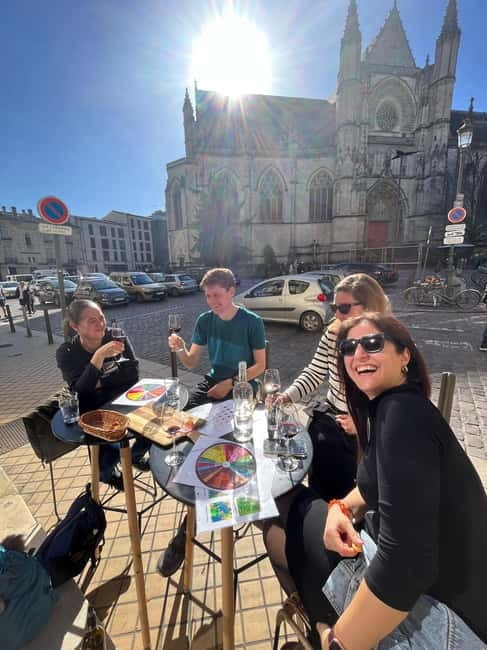
All four wines are described as 100 percent local, organic, and made by small family chateaux. That gives the tasting a clear point of view: it is about Bordeaux producers and regional identity, not a random selection of supermarket bottles.
Organic production can interest you if you want to know more about how the wine is made. Still, organic does not automatically tell you whether you will like the taste. Use the blind format to judge the wines in the glass first, then listen to the explanation of how and where they were produced.
The activity also addresses a common question about wine and hangovers. The sommelier explains that sulphur is not automatically the reason for a hangover, noting that fruits and vegetables can contain more sulphur than a bottle of wine. This is a useful correction to a popular assumption, though it should not be taken as a medical claim or a reason to drink more than you normally would.
The strongest benefit here is context. You are not just told that a bottle is organic or local. You can connect those details to a producer, a region, and a taste.
A Friendly Teaching Style Makes the Difference
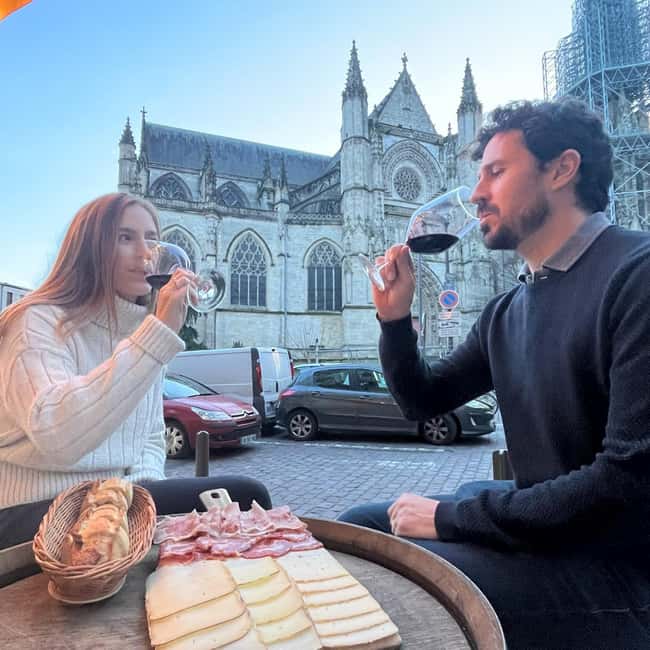
The host’s manner is important in a one-hour tasting. Wine talk can become stiff when every answer sounds like a lecture, but this experience is set up as an open conversation with an experienced and friendly sommelier.
Ani has been praised for explaining the subject clearly and answering questions. That matters if you are new to wine, because you can ask basic questions without feeling you should already know the terminology.
The tone also suits people with different levels of experience. If you already know a little about Bordeaux, the blind guesses and label discussion give you something to test. If wine is new to you, the sommelier provides a structure so you are not left staring at four glasses with no idea where to begin.
One caution: the published duration is one hour, but an interested group may continue for longer. A session that runs beyond the scheduled hour can be a pleasant surprise, yet it may affect a tightly planned day. Leave space afterward if you want time for questions.
Is $34 a Fair Price?
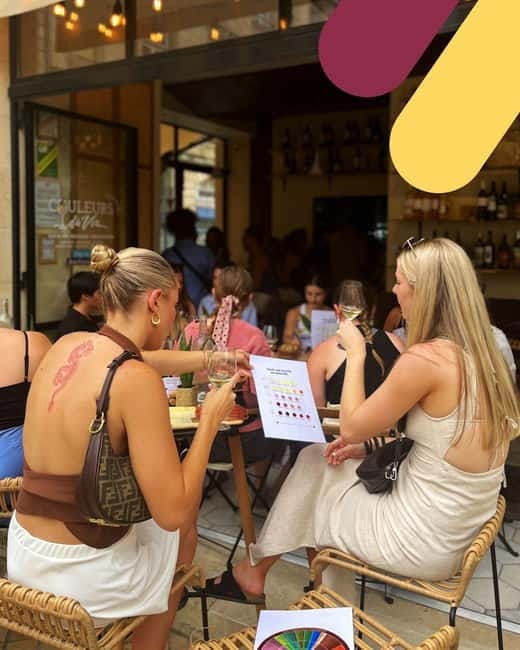
At $34, this is a reasonable price for a focused Bordeaux introduction. Four wines alone would not tell you much, but the tasting also includes cheese, dry meat, a bilingual guide, label instruction, regional background, food pairing, and the blind tasting format.
The value is strongest if you are in Bordeaux for a short visit and do not plan a full-day trip into the wine country. You receive a compact overview without arranging transport or committing several hours to a vineyard visit.
It is less suitable if you want a substantial meal, a long winery tour, or a large number of pours. The food is there to support the lesson, not replace lunch or dinner, and extra wine and food are not part of the price.
I would also view the experience as a starting point rather than a final word on Bordeaux. One hour cannot cover every appellation, grape, producer, and vintage. It can give you enough working knowledge to make your next glass more interesting.
Who Will Enjoy This Tasting Most?
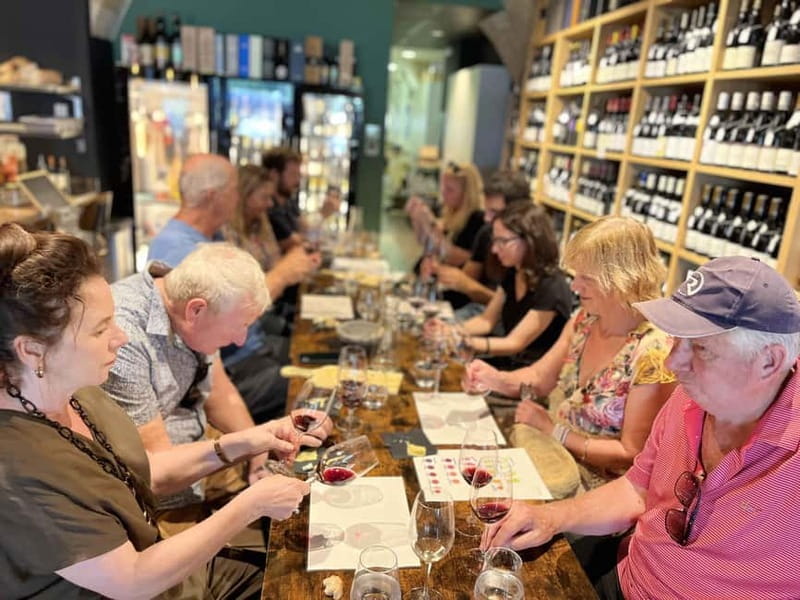
I would recommend it to couples, friends, and families with adult members who want a shared activity rather than a formal wine course. The blind guesses create an easy reason to talk, and the cheese and dry meat keep the tasting grounded in everyday enjoyment.
It is also a good choice for a first visit to Bordeaux. You learn the major regional ideas before spending money on bottles or ordering wine at a restaurant. The label lesson is especially handy if French wine terms seem unfamiliar.
Experienced wine drinkers can enjoy the session too, particularly if they like comparing different Bordeaux regions and producers. The short length may feel limited if you want technical discussion of vineyard practices, soil, barrel aging, or vintage variation, none of which is promised in detail.
Do not book if you are pregnant or under 18. If you have food allergies, ask about the included items before confirming your place.
Practical Booking Notes for Bordeaux
You can cancel up to 24 hours before the activity for a full refund, and the reserve-now, pay-later option lets you keep your plans flexible. Check the available starting times because the tasting lasts one hour and the exact schedule can vary.
The activity is available in English and French, with a live guide. Arrive at the Flamboyant Saint Michel Church meeting point and keep your first glass in mind when planning the rest of the day.
A tasting can be more enjoyable when you are not rushing off immediately afterward. The guide may keep answering questions after the formal hour, so leave a little breathing room if your schedule allows.
Should You Book the Bordeaux Blind Tasting?
Book it if you want a compact, social lesson with four local organic wines, useful label advice, and food included. The strongest reasons are the blind format, the mix of white, red, and sweet wine, and the chance to ask Ani or another sommelier direct questions.
Skip it if you want a vineyard visit, a full meal, or a long technical seminar. At $34, this is best seen as an accessible introduction to Bordeaux, not a replacement for a full wine-country excursion.
For most adult visitors with an hour to spare near Saint Michel, I think it makes a sensible addition to a Bordeaux itinerary. You leave with more than four tastes: you have a clearer way to read a label, compare regions, and decide what kind of Bordeaux wine you want to try next.
FAQ
Where does the Bordeaux wine tasting meet?
The meeting point is in front of the Flamboyant Saint Michel Church in Bordeaux.
How long does the experience last?
The listed duration is one hour. The available starting times can vary, so check them when booking.
Which wines will I taste?
You will taste four Bordeaux wines: one white, two reds, and one sweet wine. The wines come from different Bordeaux wine regions.
Is food included?
Yes. The tasting includes three types of cheese and two different types of dry meat. Extra drinks or food at the bar are not included.
Is the tasting offered in English?
Yes. The live tour guide can conduct the experience in English or French.
Is the activity suitable for wheelchair users?
Yes. The activity is wheelchair accessible.
Can children join the tasting?
No. Children under 18 are not permitted, and the activity is also not suitable for pregnant women.
Can I cancel or pay later?
You can cancel up to 24 hours in advance for a full refund. You can also reserve now and pay later, which keeps your travel plans flexible.
Just added around Bordeaux
- Wine Masterclass & Cheese Tasting Workshop in Bordeaux★ 5.0 · 2 reviews
- Tasting of Bordeaux red wines, wine and charcuterie pairings★ 5.0 · 24 reviews
- Wines and Cheeses: Learning to combine perfectly★ 4.5 · 7 reviews
- Highlights of Bordeaux Walking Tour + Wine & Cheese Tasting★ 4.5 · 5 reviews
- Wine Masterclass & Cheese Tasting Workshop in Bordeaux★ 5.0 · 29 reviews
- Tasting of Bordeaux White Wines Wine and Cheese Pairing★ 5.0 · 10 reviews
- Bordeaux Night Walk Ending with Delicious wine & cheese Tasting★ 5.0 · 10 reviews
- Bordeaux Food Tour : Sweets, Cheese & Wine pairing workshop★ 5.0 · 8 reviews
Bordeaux Cheese Tours, compared.
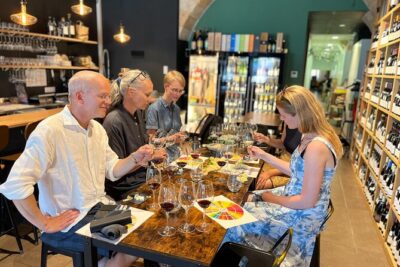
Professional – Bordeaux Wine and Cheese Tasting with a walking tour
Read our review →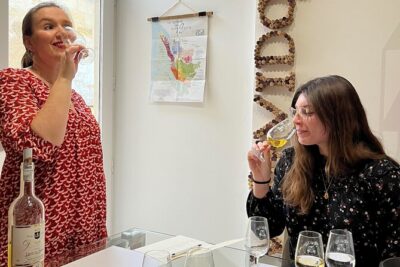
Tasting of 6 Bordeaux wines and pairing charcuterie & cheese
Read our review →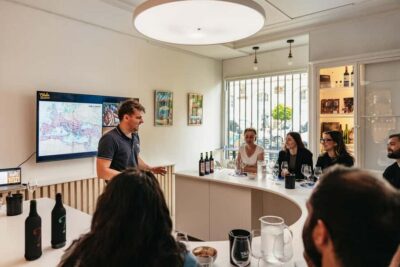
Wine Masterclass with Cheese and Charcuterie Board
Read our review →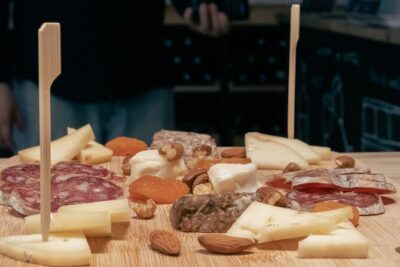
Introduction to Bordeaux wines paired with cheeses & charcuterie
Read our review →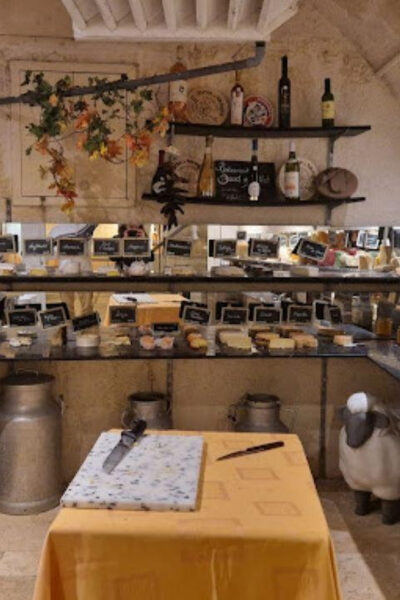
Bordeaux Gourmet Experience: Cheese & Wine Tasting
Read our review →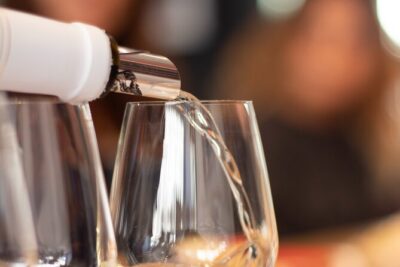
Bordeaux Wines Masterclass paired with cheeses & charcuterie
Read our review →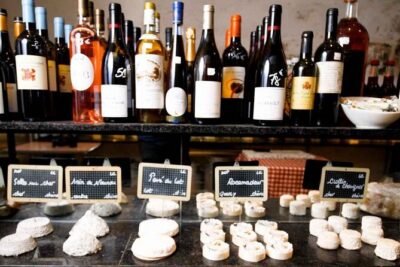
Bordeaux Gourmet Experience : tasting of French cheeses & wines
Read our review →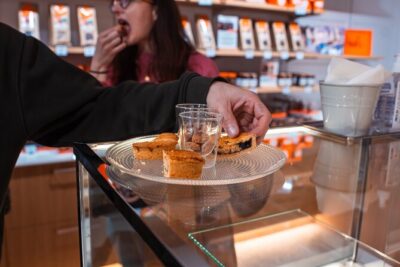
Bordeaux Afternoon Food Tour : Sweets, Wine and Cheese
Read our review →Browse the lists this tour appears in