
REVIEW · BORDEAUX
Bordeaux: Wine Masterclass with Cheese and Charcuterie Board
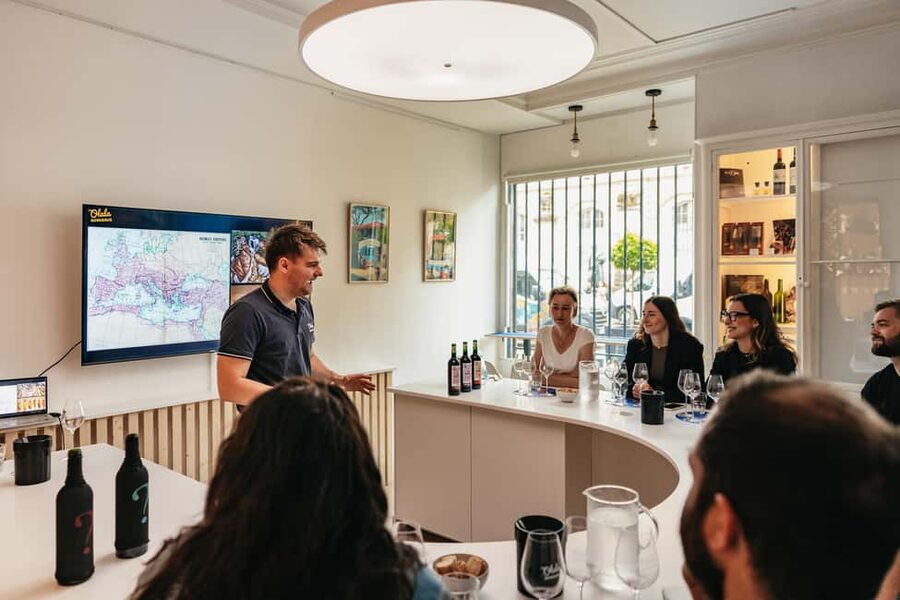
Bordeaux wine can seem like a code of riverbanks, appellations, grape blends, classifications, and grand crus. This 90-minute class turns that code into something you can taste. In a wine bar near the Grand Théâtre, you work through one white and five reds while learning how to look, smell, and taste with purpose.
I like the clear tasting method, which starts with sight, aroma, and flavor rather than assuming you already speak wine. I also like the generous spread of Bordeaux styles, including wines from the left and right banks and a grand cru. The main consideration is that this is a city tasting, not a vineyard visit. You learn about the region indoors, without walking among the vines or touring a château.
Key points to know before booking
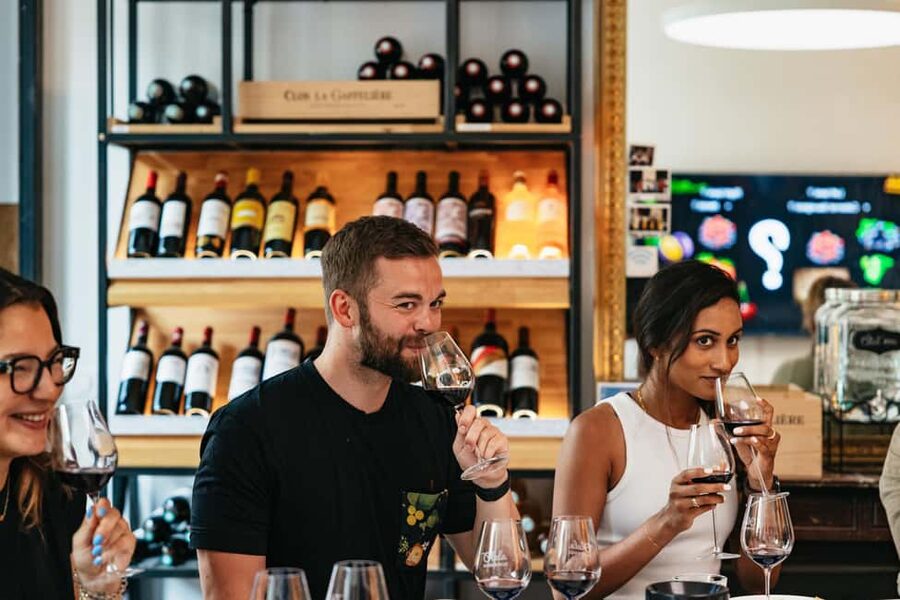
- Six wines in 90 minutes: Taste one white and five red wines, with the selection and order subject to change.
- A practical Bordeaux lesson: Learn about terroir, grape varieties, appellations, classifications, vinification, aging, storage, and service.
- Left bank and right bank comparison: Finish with two fine wines that show the regional contrast, including one Bordeaux grand cru.
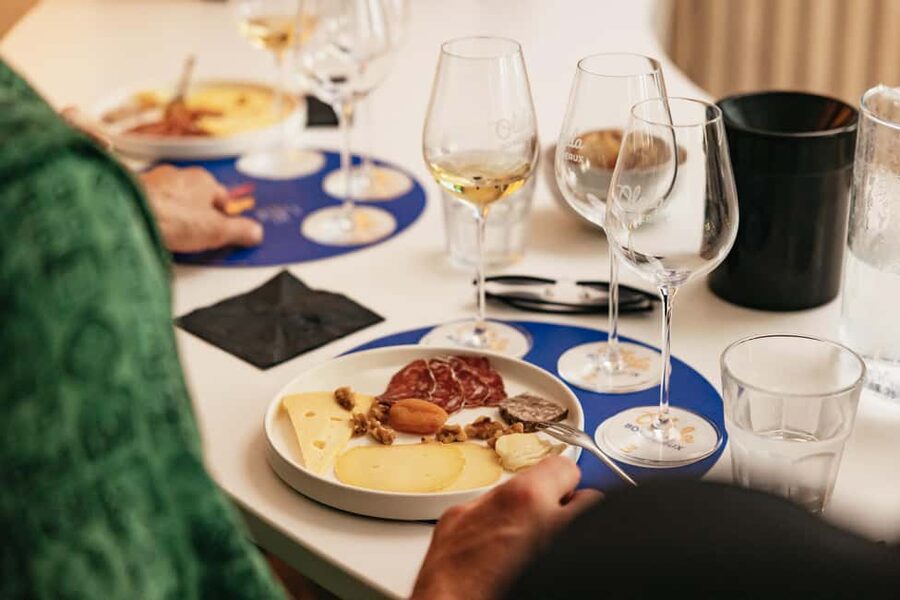
- Food is part of the lesson: Local cheese, charcuterie, baguette, and water accompany the tasting.
- Central meeting point: Olala Bordeaux is a five-minute walk from Quinconces tram stop, served by lines B, C, and D.
- Best for adults and older teens: Children under 16 and pets are not allowed, and minors may not attend without an accompanying adult.
A friendly introduction to Bordeaux wine
The class begins with the basic question many visitors have: what makes a Bordeaux wine a Bordeaux wine? Your guide explains the role of soil, climate, grape variety, local rules, and place names before asking you to taste.
The word terroir gets plenty of use in wine circles, but here it has a practical purpose. It helps explain why two wines from the same broad region can taste different. You also learn how an appellation identifies a regulated wine area and why Bordeaux labels can tell you more than the name of a grape.
That last point matters. Bordeaux red wines are often blends rather than single grape wines. The class introduces the main red varieties used in the region and shows how their character changes when blended. You are not expected to memorize a long list. The useful goal is to notice structure, fruit, aroma, body, and finish with a little more confidence.
The guides also bring personality to the lesson. In different sessions, instructors have included Antoine, Anton, Hugo, Anna, Enzo, Vincent, Noe, and Olivier. The strongest pattern is a relaxed teaching style: humor, questions, visual material, and plenty of time to taste. You get a lesson rather than a sales pitch.
More Wine and Cheese Tastings in France
- Professional – Bordeaux Wine and Cheese Tasting with a walking tour
★ 5.0 · 218 reviews - Tasting of 6 Bordeaux wines and pairing charcuterie & cheese
★ 5.0 · 199 reviews - Introduction to Bordeaux wines paired with cheeses & charcuterie
★ 5.0 · 175 reviews
Starting with a white wine and the tasting method
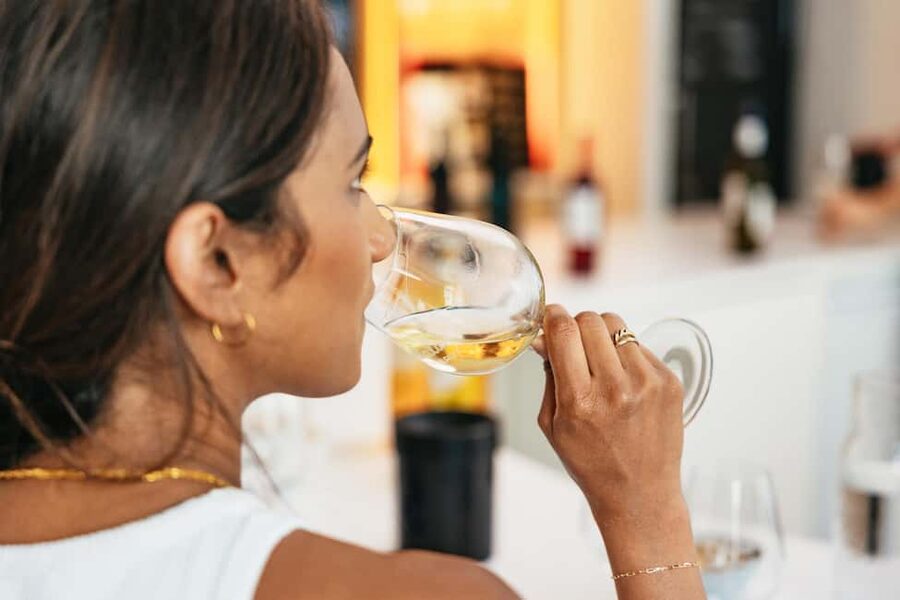
Your first glass is a white wine. It acts as a warm-up for your senses and gives you a less complicated place to learn the tasting sequence.
You begin by looking at the wine. Color and clarity offer a first clue, though they do not tell you everything. Next comes the aroma. A gentle swirl releases more scent, and the guide helps you think about what you notice without turning the exercise into a guessing contest.
Then you taste. The point is not to identify a precise fruit or impress the person beside you. It is to compare what you smelled with what you actually found on the palate. You will also learn basic wine service, including how to handle a glass and pay attention to the wine before taking a sip.
I like this opening because it gives beginners something useful right away. You can carry the same routine into a restaurant later: look, smell, taste, and consider how the wine feels. More experienced drinkers still get value from slowing down and putting words to familiar impressions.
The white wine is also a welcome change from the red-heavy focus that follows. It lets your palate settle before the class moves into Bordeaux’s better-known red wine traditions.
Three red wines that show the grapes
Next come three glasses of red wine made from individual grape varieties. This section is one of the most useful parts for anyone who has found Bordeaux labels confusing.
Tasting the varieties separately helps you understand what each can contribute to a blend. You may notice differences in color, fruit, tannin, aroma, and weight. The guide explains how these grapes work together in Bordeaux, rather than treating a blend as a mysterious formula.
This is where the class connects theory with your own senses. Instead of hearing that a grape adds structure or softness, you taste the contrast from glass to glass. You can make your own notes, ask questions, and use the aroma sample kit included in some sessions to sharpen your nose.
Do not expect a formal wine exam. The mood is friendly, and the teaching suits beginners particularly well. You can arrive knowing very little and still follow the discussion. At the same time, the variety gives intermediate wine drinkers enough material to compare.
The schedule and wines may change, so the exact grapes are not guaranteed. That is worth keeping in mind if you are booking this class to taste a specific bottle or variety. The useful constant is the method: separate examples first, then a broader look at how Bordeaux blends are built.
Left bank, right bank, and a Bordeaux grand cru
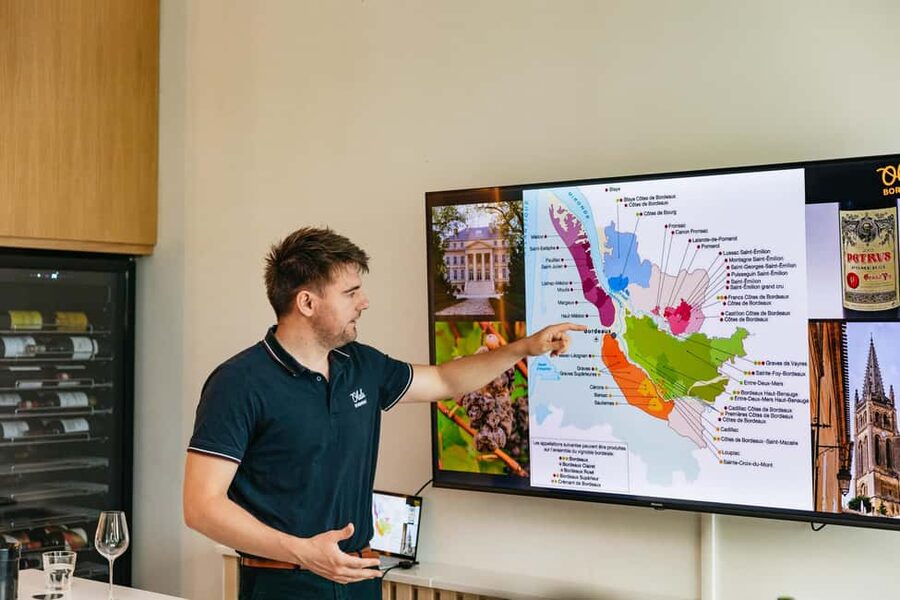
The final wine section brings the lesson back to Bordeaux as a place. You taste two fine wines, one from the left bank and one from the right bank. One of these is a Bordeaux grand cru.
The left and right bank comparison gives you a simple way to organize the region. The two sides are associated with different wine traditions and grape balances, and tasting them side by side makes that difference easier to grasp than a map alone.
You do not need to become an expert in Bordeaux classifications during one short class. The value is learning what questions to ask when you see a bottle. Where is it from? Which bank? What appellation? Is it a blend? How has it been aged? What makes the bottle more or less suitable for the meal in front of you?
The grand cru is likely to be the tasting’s big moment, but the class does not reduce Bordeaux to expensive labels. The earlier wines provide the comparison that makes the final glass more meaningful. You learn that price and classification are part of the story, not the whole story.
Some sessions include a blind tasting exercise. This adds a playful test of what you have just learned. It is not about getting every answer right. It is a chance to see if your senses are becoming more alert.
More Cheese and Charcuterie Boards in Bordeaux:
- Bordeaux Wines Masterclass paired with cheeses & charcuterie
★ 5.0 · 110 reviews - Tasting of Bordeaux red wines, wine and charcuterie pairings
★ 5.0 · 24 reviews - Budapest: Wine, Cheese, and Charcuterie Tasting
★ 4.9 · 647 reviews - Hungarian Wine Tasting (with Cheese and Charcuterie) in Budapest
★ 5.0 · 531 reviews
Cheese, charcuterie, and the practical side of pairing
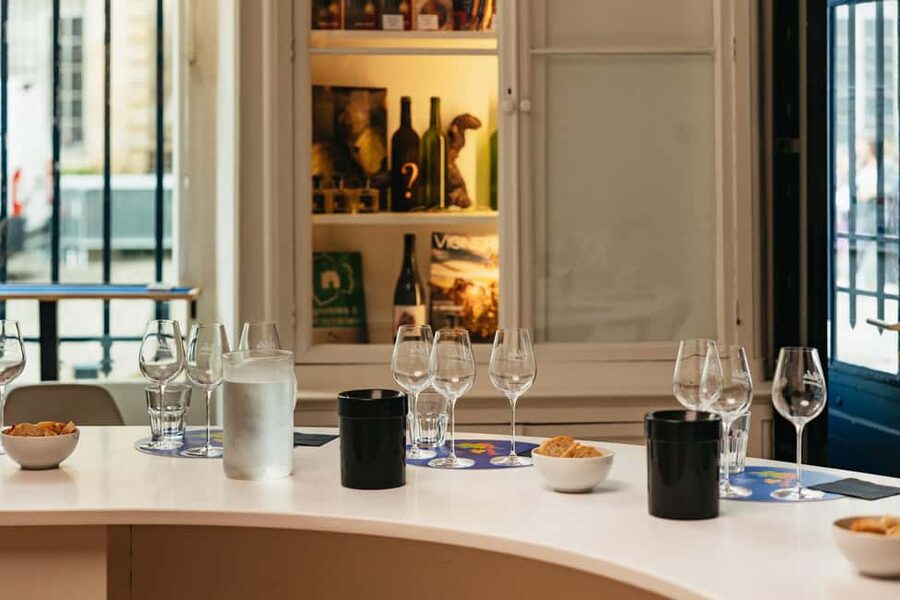
Wine tasting on an empty stomach is not a good plan, and the food here is more than a snack. You receive a board of local charcuterie and cheeses, along with baguette and water.
The pairings help you notice how food changes wine. Salt, fat, texture, and acidity can make a red wine feel softer or sharper. You get a simple introduction to food and wine pairing without being handed a strict list of rules.
The spread also adds a French touch to an otherwise technical class. Regional wine makes more sense when you taste it beside familiar local foods. The cheese and bread create a relaxed social setting, while the charcuterie gives you something substantial to enjoy across the six pours.
Portions and specific products may vary. Do not book this as a full meal. Think of it as a generous tasting board that supports the lesson. If you need a proper lunch or dinner, plan one before or after the class.
The food is one reason the $53 price feels fair. You are paying for the guide, six wines, instruction, printed material, food, baguette, and water. A simple bar tasting might cost less, but it may not give you the structured teaching or range of Bordeaux styles found here.
What the 90-minute format does well
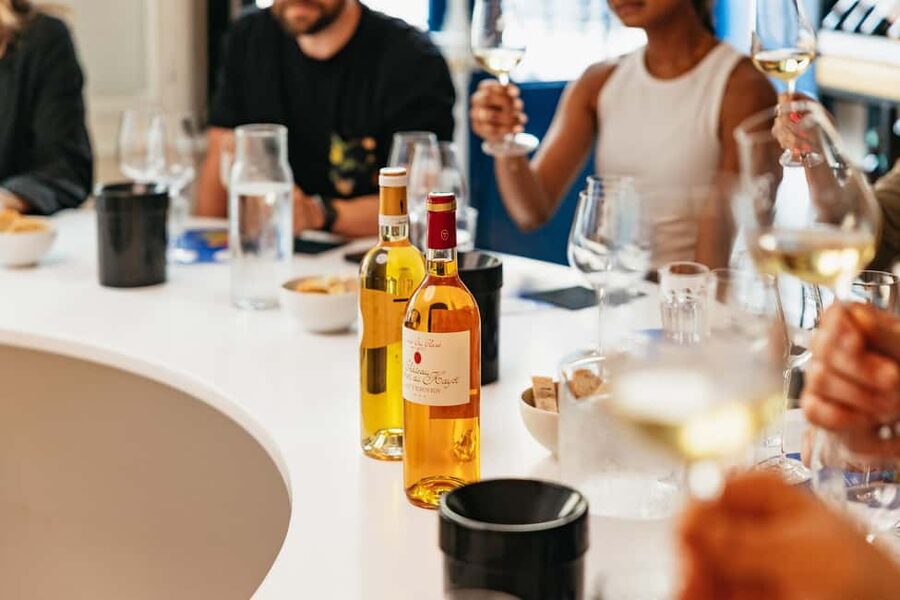
Ninety minutes is enough time to cover a surprising amount without taking over your day. You can fit this class between sightseeing, shopping, or a meal near central Bordeaux.
The schedule moves from broad ideas to tasting practice, then to regional comparison. That order matters. You first learn how to taste, then apply the method to grape varieties, and finally use it to compare the two banks.
The class is also long enough to answer questions. Past sessions have been praised for not feeling rushed, and that is important in a wine lesson. If the guide simply poured six glasses and recited label notes, the experience would be much less useful. Here, the explanations are part of the value.
Still, the class is compact. You will not cover every Bordeaux appellation or learn the full classification system in detail. You will leave with a working map of the region, not a professional qualification.
The small class setting helps. It allows the guide to respond to different levels of experience, from complete beginners to people already comfortable with tasting. It also makes the food and wine discussion feel more social than a lecture.
Location near Grand Théâtre and Quinconces
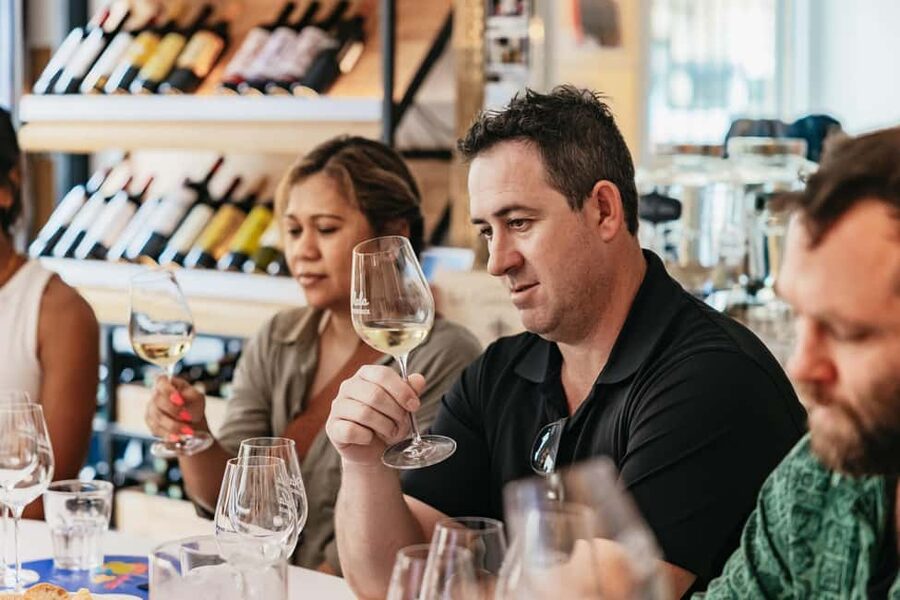
The meeting point is Olala Bordeaux, about five minutes on foot from Quinconces tram stop. Tram lines B, C, and D serve the stop, making this one of the easier wine activities to reach without a car.
The location is two steps from the Grand Théâtre, so it fits neatly into a day in central Bordeaux. You can pair it with a walk through the historic center rather than spending half a day getting out to the countryside.
This central setting is both a strength and a limitation. You get an attractive wine bar atmosphere and easy access to shops, restaurants, and transport. You do not get château architecture, vineyard views, cellar work, or a tour of the production facilities.
That distinction should guide your choice. If you want to understand Bordeaux before booking a full vineyard excursion, this class is a smart first step. If your main goal is to see vines and visit a wine estate, choose a countryside tour instead, or add one after this session.
Who will get the most from this class
I would recommend it first to beginners who want a useful introduction without a stiff or overly formal tone. The tasting method, grape comparisons, and left bank and right bank explanation give you a solid base for later wine shopping.
It also suits couples, friends, and solo visitors who enjoy food and conversation. The small-group setting can be social, and the relaxed style makes it easy to ask basic questions.
Intermediate drinkers should book it if they want Bordeaux context rather than a rare-bottle tasting. The class focuses on regional understanding, not on collecting expensive labels. The grand cru adds interest, but you will taste several wines as part of a teaching sequence.
This is not suitable for children under 16. Pets are not allowed, and unaccompanied minors cannot attend. The session is offered in English or French, so select the language that lets you follow technical explanations comfortably.
Price, flexibility, and what to expect
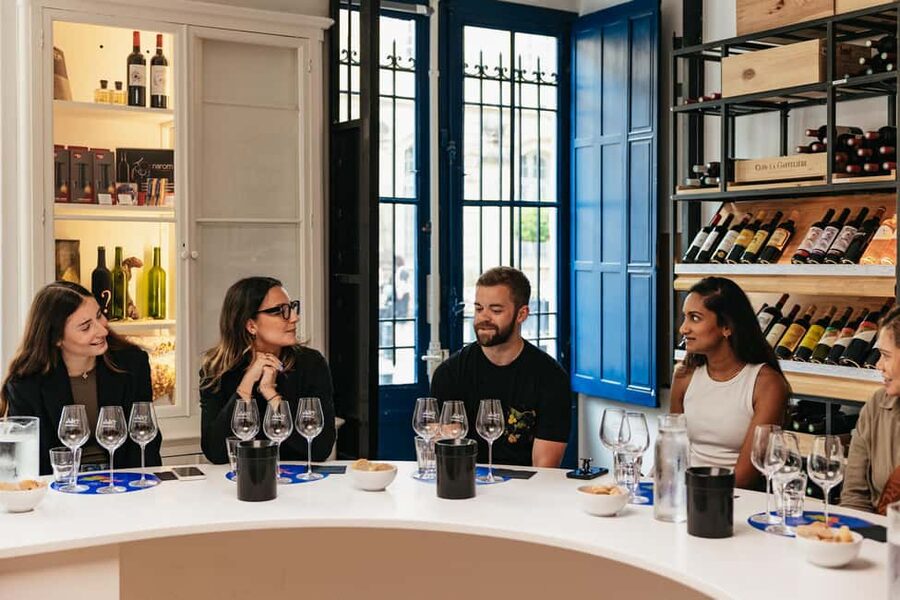
At $53 per person, the experience offers good value if you would otherwise pay separately for wine samples, a food board, and a guided lesson. Six wines is a serious tasting for a 90-minute city activity, especially when one is a grand cru and the tasting covers both major sides of Bordeaux.
The price is less compelling if you only want to drink wine and do not care about instruction. You are paying for the guide’s explanations and the chance to compare wines in a planned order. Treat the class as an introduction to Bordeaux, not simply an aperitif.
You can reserve now and pay later, which helps if your Bordeaux schedule is still moving around. Free cancellation is available up to 24 hours before the activity for a full refund. Since wines and timing can change, check the available start time and accept that the final bottles may differ from the examples you have in mind.
Should you book the Bordeaux wine masterclass?
Book it if you want a central, well-paced introduction to Bordeaux wine with enough food to make the tasting comfortable. I especially recommend it before a vineyard day, because you will arrive with a better grasp of grape varieties, appellations, left bank and right bank wines, and how to taste.
Skip it if you want a full château visit, vineyard walk, or a longer technical seminar. For everyone else, the combination of six wines, local cheese and charcuterie, a convenient location, and an engaging English or French-speaking guide makes this one of the better-value ways to get oriented to Bordeaux in under two hours.
FAQ
How long does the Bordeaux wine masterclass last?
The class lasts 90 minutes.
How many wines are included?
You taste one white wine and five red wines, for six wines in total.
Are all the wines from Bordeaux?
The tasting focuses on regional Bordeaux wines, including wines from the left bank and right bank.
Is a Bordeaux grand cru included?
Yes. One of the two final fine wines is a Bordeaux grand cru.
What food is included?
You receive a cheese and charcuterie board, baguette, and water.
Where does the activity meet?
The meeting point is Olala Bordeaux, about a five-minute walk from the Quinconces tram stop.
Which public transport lines reach the meeting point?
Tram lines B, C, and D stop at Quinconces.
Is the class available in English?
Yes. The instructor languages are English and French.
Can children attend?
Children under 16 are not allowed, and the activity is not suitable for children under 16.
Can I cancel for a refund?
You can cancel up to 24 hours in advance for a full refund. You can also reserve now and pay later.
More Wine and Cheese Tastings in Bordeaux
- Bordeaux Gourmet Experience: Cheese & Wine Tasting
★ 4.6 · 169 reviews - Bordeaux Gourmet Experience : tasting of French cheeses & wines
★ 4.5 · 71 reviews - Bordeaux Afternoon Food Tour : Sweets, Wine and Cheese
★ 5.0 · 38 reviews - Blind Tasting: 4 Bordeaux Natural Wine + Cheese experience
★ 4.8 · 35 reviews
Just added around Bordeaux
- Wine Masterclass & Cheese Tasting Workshop in Bordeaux★ 5.0 · 2 reviews
- Tasting of Bordeaux red wines, wine and charcuterie pairings★ 5.0 · 24 reviews
- Wines and Cheeses: Learning to combine perfectly★ 4.5 · 7 reviews
- Highlights of Bordeaux Walking Tour + Wine & Cheese Tasting★ 4.5 · 5 reviews
- Wine Masterclass & Cheese Tasting Workshop in Bordeaux★ 5.0 · 29 reviews
- Tasting of Bordeaux White Wines Wine and Cheese Pairing★ 5.0 · 10 reviews
- Bordeaux Night Walk Ending with Delicious wine & cheese Tasting★ 5.0 · 10 reviews
- Bordeaux Food Tour : Sweets, Cheese & Wine pairing workshop★ 5.0 · 8 reviews
Bordeaux Cheese Tours, compared.
Professional – Bordeaux Wine and Cheese Tasting with a walking tour
Read our review →
Tasting of 6 Bordeaux wines and pairing charcuterie & cheese
Read our review →
Introduction to Bordeaux wines paired with cheeses & charcuterie
Read our review →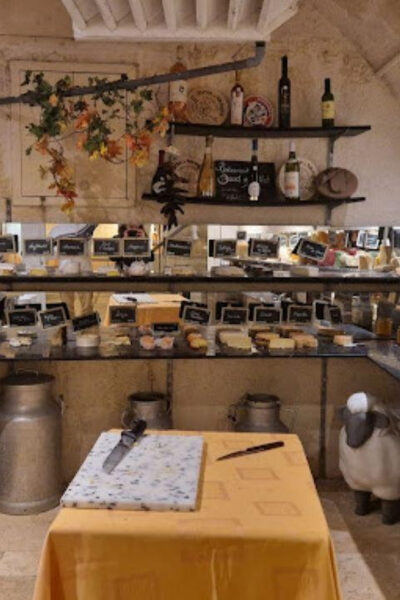
Bordeaux Gourmet Experience: Cheese & Wine Tasting
Read our review →
Bordeaux Wines Masterclass paired with cheeses & charcuterie
Read our review →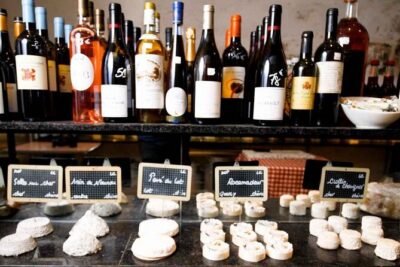
Bordeaux Gourmet Experience : tasting of French cheeses & wines
Read our review →
Bordeaux Afternoon Food Tour : Sweets, Wine and Cheese
Read our review →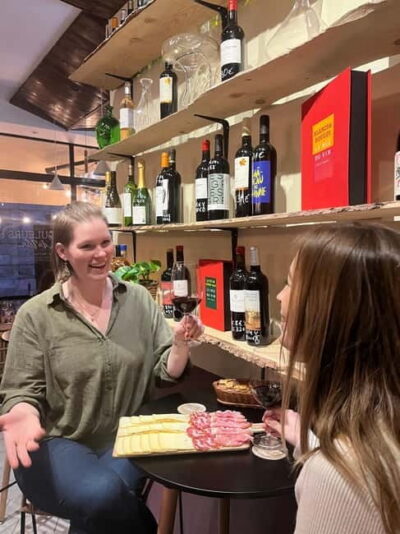
Blind Tasting: 4 Bordeaux Natural Wine + Cheese experience
Read our review →Browse the lists this tour appears in