
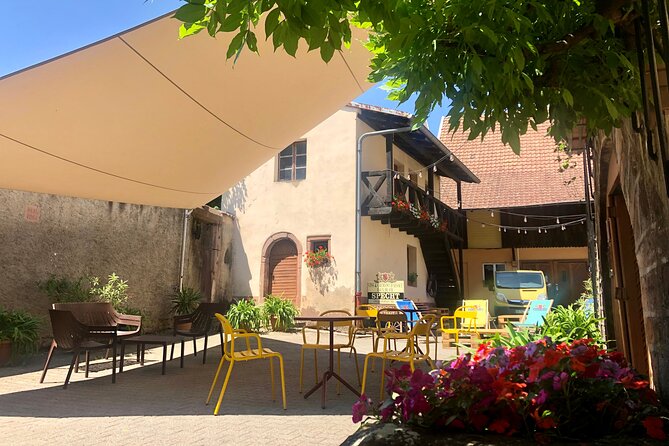
REVIEW · FRANCE
Visit and tasting of wines and cheese and charcuterie platter
The most interesting part of this experience is that you do not begin with a sales counter or a quick pour. You walk through the working cellar, from the pressing hall to modern stainless-steel vats and then into the older room lined with wooden tuns. That gives the tasting a clear story: grape, fermentation, cellar, glass.
I like the chance to choose from several estate wines, including Riesling, Gewurztraminer, and Pinot Noir. I also like the generous cheese and charcuterie platter, which turns the visit into a proper Alsace aperitif or a light lunch. The main consideration is location: the meeting point is in Mittelwihr, not central Colmar, so you need to plan your own way there.
Key points to know before booking
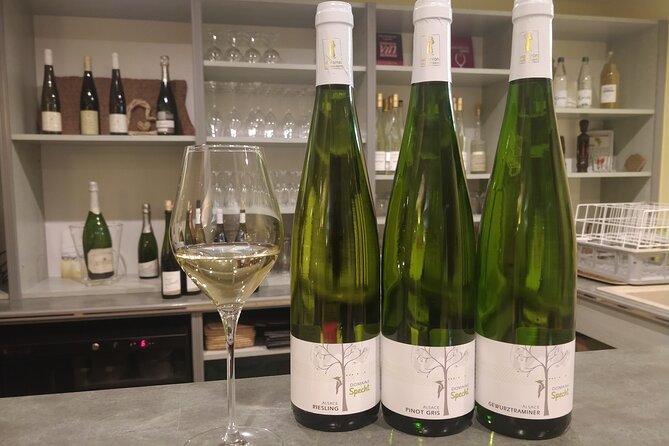
- Three cellar areas: See the pressing hall, stainless-steel fermentation vats, and historic wooden tuns.
- Alsace wine focus: Tastings can include Riesling, Gewurztraminer, and Pinot Noir.
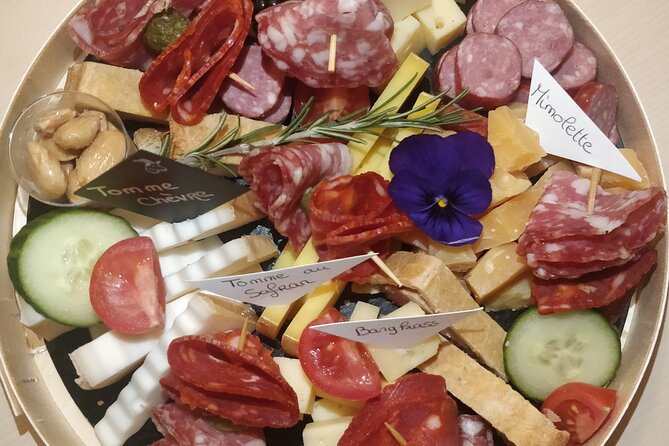
- Food is part of the price: Cheese and charcuterie accompany the estate wines.
- Small group size: The maximum is 15 people, which suits questions and conversation.
- About 90 minutes: The visit is long enough for a proper introduction without taking half your day.
- Flexible cancellation: Cancel at least 24 hours before the start for a full refund.
Why this Mittelwihr cellar visit works so well
If you are staying in Colmar and want to understand Alsace wine beyond a shop tasting, this is a useful choice. Domaine Specht is in Mittelwihr, one of the wine villages in the area around Colmar, and the visit puts production before sampling.
That order matters. You first see where grapes are pressed, then where the wine ferments in stainless-steel tanks, and finally where older wooden tuns are used in the historic part of the cellar. By the time you sit down with a glass, you have a better sense of what the winemakers are doing.
The price is $36.12 per person. I consider that a fair value if you want both a guided cellar visit and food with the tasting. A basic wine tasting may cost less, but it often gives you little context and no substantial accompaniment. Here, the cheese and charcuterie help make the experience feel like a small meal rather than a row of sample pours.
The group limit of 15 is another plus. It is not a private tour, but it is small enough that you should have a reasonable chance to ask questions. That is especially useful if you are curious about fermentation, the role of different cellar vessels, or how Alsace wines differ from one another.
More Wine and Cheese Tastings in France
- Paris: Montmartre Cheese, Wine & Pastry Guided Walking Tour
★ 4.8 · 2,255 reviews - Private Montmartre Food Tour with Wine, Cheese & Pastries
★ 5.0 · 1,027 reviews - Paris Le Marais Food Tour With 10+ Tastings, Cheese, Wine & More
★ 5.0 · 985 reviews
Arriving at 2 Rue des Églises
The meeting point is 2 Rue des Églises, 68630 Mittelwihr, France. The activity begins and ends at the same location, so you do not need to arrange a second pickup point after the tasting.
Because the experience is outside central Colmar, check your route before booking. The tour does not include transportation in the information provided, so you should treat getting to Mittelwihr as your responsibility. This is easiest for people already exploring the Alsace wine villages or using their own transport.
The address also makes the visit simple once you arrive. You are not being sent to a separate vineyard, restaurant, or town-center meeting place. You begin at the domaine and finish there.
The activity is offered in English. Confirmation arrives when you book, and mobile tickets are accepted, which keeps the arrival process straightforward.
The pressing hall gives the tour a practical start
The first stop is the pressing hall. This is where the visit moves away from abstract talk about wine and toward the physical work behind each bottle.
You can expect an explanation of how grapes are handled at the start of production. The supplied details do not specify the exact equipment or harvest methods used, so I would not expect a full technical demonstration. Still, seeing the pressing area gives you a useful first stage in the winemaking chain.
For a first-time visitor to Alsace wine country, this section helps answer a basic question: what happens between the vineyard and the bottle? You begin to see that the wine is shaped by a sequence of decisions, not simply stored after picking.
The pressing hall may be less visually old-world than the later cellar. That is part of its value. It shows the practical side of production rather than presenting only the picturesque side of wine making.
Stainless-steel vats explain fermentation
The tour then continues among stainless-steel vats. This is the modern working section of the cellar, and it is where you learn more about fermentation and winemaking.
Stainless steel is useful for showing how controlled and organized wine production can be. The guide can connect what you see to the changes taking place in the wine after pressing. You do not need specialist knowledge to follow this part, and the format allows you to ask questions as they come up.
The small group helps here. If you are wondering how fermentation affects flavor, or why one wine may spend time in steel rather than wood, this is the moment to ask. The tour is not only about tasting finished bottles. It explains the steps that lead to them.
Several people have praised the teaching style on this visit, with particular appreciation for patient answers and clear explanations. Orianne has been singled out as an excellent host, and another account names Herr Specht as the person who led the cellar walk. Your guide may differ, but the experience is designed around direct instruction rather than a self-guided wander.
More Cheese and Charcuterie Boards in France:
- Tasting of 6 Bordeaux wines and pairing charcuterie & cheese
★ 5.0 · 199 reviews - Bordeaux: Wine Masterclass with Cheese and Charcuterie Board
★ 4.9 · 184 reviews - Introduction to Bordeaux wines paired with cheeses & charcuterie
★ 5.0 · 175 reviews - Bordeaux Wines Masterclass paired with cheeses & charcuterie
★ 5.0 · 110 reviews
Wooden tuns bring in the older cellar tradition
The historic section contains wooden tuns. This is likely to be the most atmospheric part of the visit, but its real importance is how it contrasts with the stainless-steel vats.
You see two approaches within one cellar: modern steel and older wood. The guide explains how fermentation and storage relate to these different vessels, giving you a more complete picture of the domaine’s methods.
I like this section because it prevents the tour from becoming a simple old-versus-new story. The point is not that one material is automatically better. The point is that each part of the cellar has a role, and the guide can explain why the estate uses the spaces and equipment you are seeing.
The historic room also gives the visit a sense of place. You are not only looking at anonymous tanks in an industrial room. You are connecting the wine to a cellar with older features and an ongoing working life.
The tasting includes wine, cheese, and charcuterie
After the cellar walk, you move to the tasting cellar. This is where the experience shifts from production to pleasure, but the earlier explanation makes the tasting more useful.
The wines can include white varieties associated with Alsace, such as Riesling and Gewurztraminer, as well as Pinot Noir. The available selection may vary, so you should not treat this as a guaranteed flight of specific vintages or labels. What is clear is that you are offered several estate wines and can choose what you want to taste.
That freedom is a strong feature. Instead of being limited to a fixed list, you can show interest in particular styles or grapes. If you are new to Alsace wine, you might use the guide’s advice to compare different bottles. If you already know what you like, you can focus your tasting.
The food is not an afterthought. The cheese and charcuterie platter is intended to accompany the wine, and the portion is described as suitable for an aperitif or light lunch. I would plan this as a midday stop or an early afternoon break rather than as a full restaurant meal.
The combination also reflects how many people actually enjoy wine in France. You are not tasting in isolation. Salty charcuterie, creamy cheese, and crisp or aromatic wine give you a chance to see how the bottles behave with food.
What you can learn from the wine selection
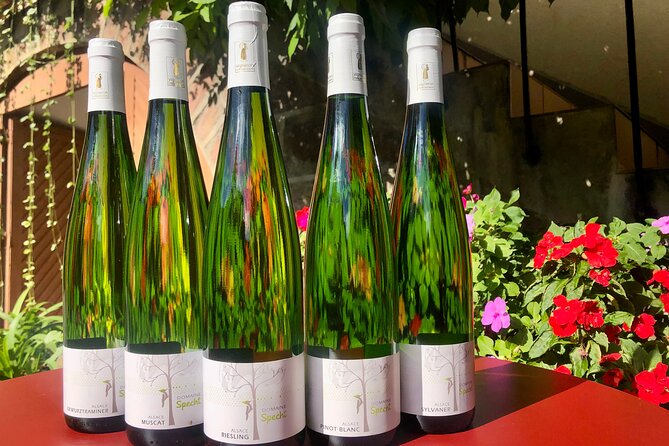
Riesling offers a useful starting point if you want to understand a classic Alsace white. Gewurztraminer gives you a chance to try a more aromatic style. Pinot Noir adds a red wine comparison and prevents the tasting from being limited to white varieties.
The provided information does not give tasting notes, sweetness levels, vintages, or a fixed number of pours. That is worth keeping in mind if you are looking for a formal wine course with detailed technical scoring. This is better understood as an accessible introduction to the domaine and the wines of Alsace.
The ability to choose your own tasting is especially helpful for couples or friends with different interests. You do not all need to want the same bottle. You can ask about the available wines and make your choices at the cellar.
There is also an opportunity to buy wine afterward. One visitor left with a box, so the tasting can easily become the first step in choosing bottles for home. If you plan to purchase, leave room for it in your luggage and check the rules that apply to carrying wine onward from France.
Why the 90-minute length feels about right
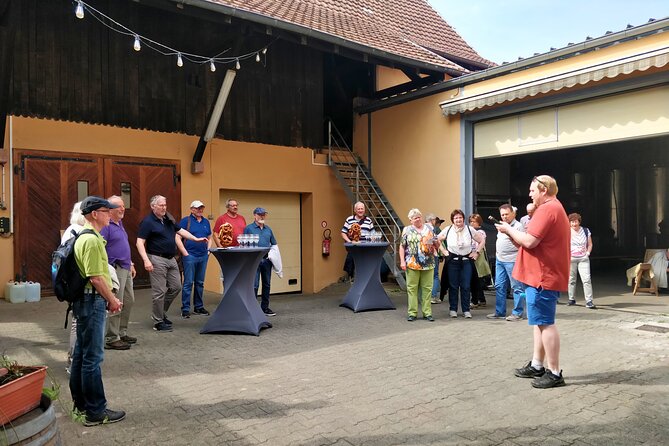
The experience lasts about one hour and 30 minutes. That gives you enough time to walk through the three cellar areas, hear an explanation of production, and sit down for the tasting and food.
A shorter visit might feel rushed, especially if you want to ask questions. A much longer tour could become repetitive if you are not already focused on wine production. Ninety minutes is a sensible middle ground for a day in Alsace.
The timing also makes it easy to pair with other stops in the wine villages. You should allow extra time for your own transport and any delays before or after the visit, but the activity itself does not consume a full day.
If you are planning several tastings in one day, be careful. The platter makes this more than a quick sample, and repeated wine visits can become tiring. One well-chosen cellar visit is often more useful than rushing through several.
Who will get the most from this experience
I would recommend this visit to you if you want a friendly introduction to Alsace wine and prefer seeing production before tasting. It also suits anyone who enjoys asking questions, since the small group and guide-led format support conversation.
It is a good match for couples celebrating a special occasion. One couple used the visit for a 41st anniversary and found the patient explanations, wine, and platter a fitting way to spend part of the day.
It also works for mixed-experience groups. A wine enthusiast can ask about fermentation or cellar vessels, while a beginner can focus on the basic differences between Riesling, Gewurztraminer, and Pinot Noir.
You may want to choose another activity if you need a full meal, a vineyard walk, transportation from Colmar, or a highly technical tasting with guaranteed vintages. None of those features is promised here.
Most people can participate, and service animals are allowed. The maximum group size is 15. That makes this more personal than a large coach-style stop, though it is not presented as a private tour.
Practical booking advice for Colmar visitors
Book ahead if your dates are fixed. The experience is booked around 25 days in advance on average, which suggests that popular dates may fill before your trip.
The mobile ticket is convenient, and confirmation is provided at booking. Make sure the booking name and meeting address are easy to access on your phone, especially if you are visiting several villages in the same day.
The cancellation policy is reasonable but strict inside the final 24 hours. You can cancel for a full refund if you do so at least 24 hours before the start time. Changes or cancellations made later are not accepted for a refund.
Since the tasting includes alcohol, make a sensible transport plan. The supplied information does not state that transfers are included, so do not assume someone else will drive you back to Colmar.
Should you book the Domaine Specht tasting?
Book it if you want a compact, food-friendly wine experience with a real cellar visit, English service, and room to choose your wines. The strongest reasons are the three-part production walk, the chance to taste Riesling, Gewurztraminer, and Pinot Noir, and the cheese and charcuterie platter.
The $36.12 price is good value when you count the guided visit and food together. Just remember that the meeting point is in Mittelwihr, the tasting lasts about 90 minutes, and the food is a light accompaniment rather than a full lunch.
For a first look at Alsace wine, this is an easy choice. For serious wine students, it may feel introductory, but the opportunity to ask questions and compare steel and wooden cellar spaces still gives the visit useful substance.
FAQ
Where does the wine tasting take place?
It takes place at Domaine Specht, 2 Rue des Églises, 68630 Mittelwihr, France.
Is the activity in Colmar?
The experience is associated with Colmar, but the meeting point is in Mittelwihr.
How long does the experience last?
It lasts approximately one hour and 30 minutes.
Is the tour offered in English?
Yes. The experience is offered in English.
What areas of the cellar will I visit?
You will visit the pressing hall, the area with stainless-steel vats, and the historic cellar with wooden tuns.
What will I learn during the cellar visit?
You will learn about fermentation and the winemaking process.
What wines might I taste?
The tasting may include Alsace white wines such as Riesling and Gewurztraminer, along with Pinot Noir.
Is food included?
Yes. The tasting includes an assortment of cheeses and charcuterie.
How many people can join the activity?
The maximum group size is 15 people.
Can I cancel for a full refund?
Yes. You can cancel at least 24 hours before the experience start time for a full refund. Cancellations or changes made less than 24 hours before the start are not refunded.
Just added around France
- Wine, Cheese and Charcuterie tasting★ 4.9 · 17 reviews
- Wine Masterclass & Cheese Tasting Workshop in Bordeaux★ 5.0 · 2 reviews
- Paris: Wine and Cheese Pairing★ 5.0 · 4 reviews
- Wine and Cheese experience★ 4.5 · 18 reviews
- Cheese food-tour through downtown Toulouse★ 4.5 · 7 reviews
- Wine and Cheese Tasting★ 4.5 · 17 reviews
- French Wine and Cheese Master Class Near the Eiffel Tower★ 5.0 · 6 reviews
- Private wine tour to Sancerre vineyards from Paris with Sommelier★ 5.0 · 11 reviews
France Cheese Tours, compared.
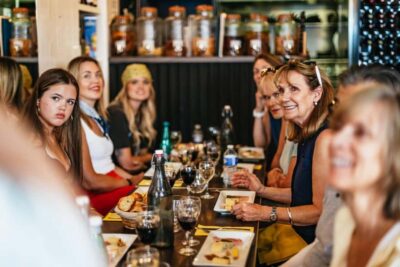
Montmartre Cheese, Wine & Pastry Guided Walking Tour
Read our review →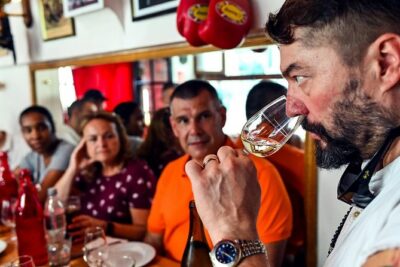
Private Montmartre Food Tour with Wine, Cheese & Pastries
Read our review →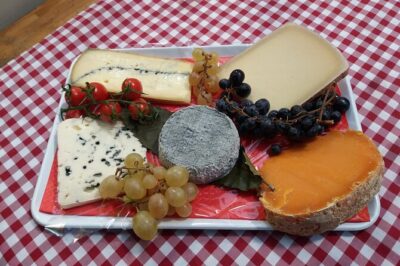
Paris Le Marais Food Tour With 10+ Tastings, Cheese, Wine & More
Read our review →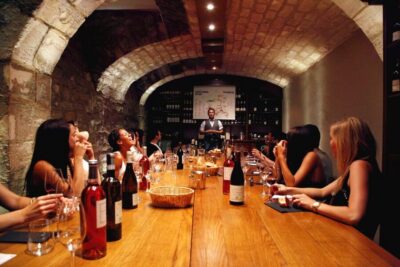
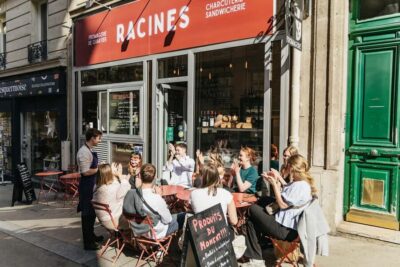
Cheese & Wine Tasting in Montmartre with Local Cheesemonger
Read our review →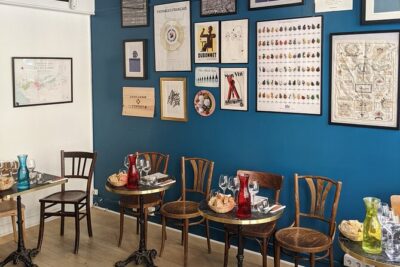
French Wine, Champagne And Cheese Tasting Paris SECRET WINE DOOR
Read our review →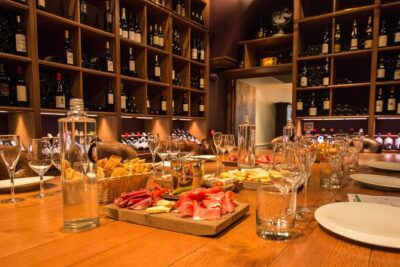
Paris Wine Tasting plus Cheese Lunch with an Expert Sommelier
Read our review →
Paris St Germain Food Tour with Cheeses, Foie Gras, Wines & More
Read our review →Browse the lists this tour appears in