
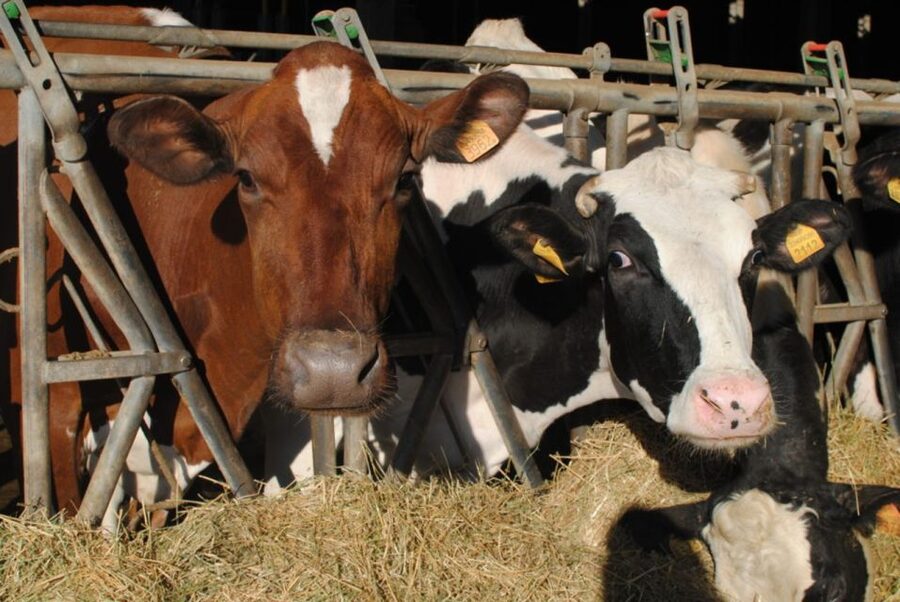
REVIEW · PARMA
Parma: Traditional Cheese Factory Visit with Tasting
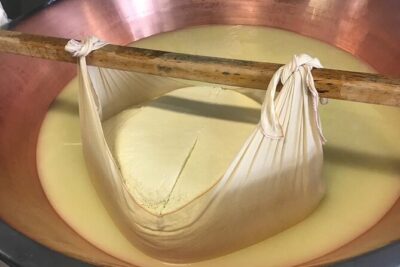
Fresh curds are lifted from copper milk vats, shaped, salted, and sent into a cool aging room lined with thousands of cheese wheels. That is the real draw here: you see Parmigiano Reggiano being made, not just a polished display about it. Guides including George, Roberto, Loris, and Danielle are known for clear explanations, humor, and warm local advice.
I like the small-group feel and the chance to watch working cheese makers handle the product. I also like the tasting, where aged Parmesan meets local wine and sometimes balsamic vinegar. The main catch is the price: at $82, it is not a cheap tasting, and the hands-on factory visit may feel short to anyone expecting a full half-day farm outing.
- Early production hours: The morning schedule lets you see real cheese making rather than a staged demonstration.
- From milk to wheel: You follow the process through cooking, whey separation, shaping, salting, and aging.
- Traditional production zone: The cheese comes from the protected area around Parma, Reggio Emilia, Modena, and parts of Bologna and Mantova.
- Small factory setting: The visit has a close-up, family-run feel rather than an industrial plant atmosphere.
- Cheese and Lambrusco pairing: The final tasting gives you a useful sense of how local food and drink work together.
- Easy station pickup: The van leaves from NH Parma, beside the train station, making this practical for a short stay.
Why This Parma Cheese Visit Is Worth Your Morning
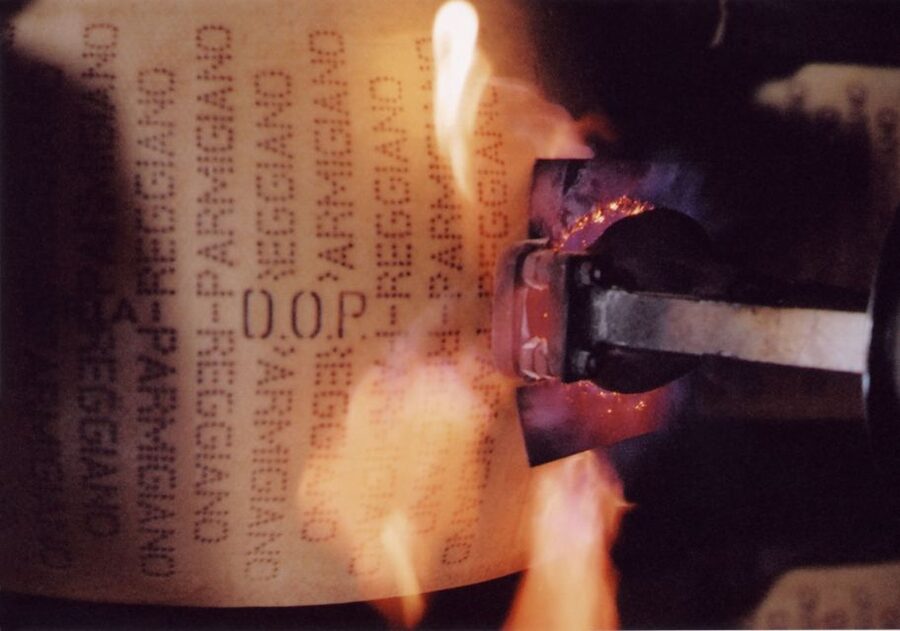
Parmigiano Reggiano is not simply Parmesan with an Italian accent. The name is protected by European Union rules, and the cheese must be made in its traditional production area using approved methods. That area includes Parma, Reggio Emilia, Modena, and parts of Bologna and Mantova.
This matters during the visit because you are not watching a generic cheese demonstration. You are seeing one of Italy’s best-known foods being produced in the place tied to its name. The methods have been used for about 900 years, and the work still depends on timing, judgment, heat, and patient aging.
I especially like that the tour takes place while production is underway. The early pickup can be inconvenient if you prefer a slow holiday morning, but cheese making begins early. Arriving in the morning gives you a better chance to see the vats, curds, and cheese makers in action.
The experience lasts 2.5 hours, including the van rides. About 15 minutes are spent going each way, leaving roughly 1.5 hours at the factory. A few ratings describe the active tour as closer to an hour, so keep your expectations sensible. This is a focused food visit, not an all-day farm program.
Meeting at NH Parma by the Train Station
Pickup is at 8:30 a.m. outside the NH Parma hotel at Viale Paolo Borsellino 31. If you arrive by train, use the north exit marked Falcone/Borsellino. The hotel is on the right, and the van waits in the parking area in front.
This is one of the better meeting points for a food tour because you do not need to arrange a taxi into the countryside. The location also works well if you are passing through Parma by rail. One visitor found the return ride smooth enough to continue on to a connecting train, but you should still leave a generous margin. The stated rule is strict: after 10 minutes, the vehicle may leave.
The ride to the factory takes about 15 minutes. The vans are described as comfortable, and transport receives a strong rating. Some guides also offer Parma suggestions during the drive. Pietro, Gianfranco, and others have been praised for sharing practical ideas about eating and seeing the city, which is a nice bonus if Parma is your base.
Do not bring large luggage. The vans cannot take it, so this tour works best as a morning activity from a hotel or with a secure place to store your bags. Wear closed-toe shoes. Sandals, flip-flops, slippers, and open-toed shoes are not allowed.
More Cheese Farm Visits in Italy
- From Parma: Parmigiano Reggiano Farm Tour & Tasting with Transfer
★ 5.0 · 113 reviews - Parmesan Cheese Factory Tour & Tasting near Parma
★ 4.7 · 98 reviews - Parma: Parmigiano Reggiano Farm Tour & Tasting with Transfer
★ 4.8 · 87 reviews
Watching Milk Become Parmigiano Reggiano
At the factory, the guide begins with the basic ingredients and the production method. The exact presentation can vary by guide, but the route is designed to show the whole chain, from milk vats to aging room.
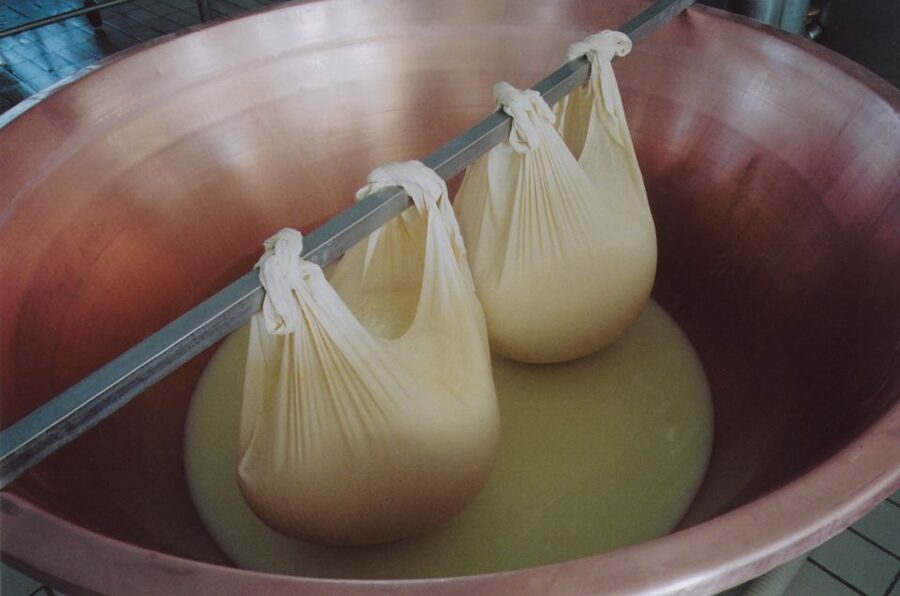
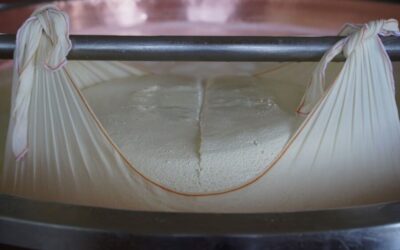
You may see cheese makers pulling fresh curds from large vats. The curds are cooked, then separated from the whey. This is the point where the visit becomes much more useful than a standard tasting. You can watch a living production routine and understand that the final hard cheese begins as a soft, wet mass that requires careful handling.
The cheese makers use traditional methods rather than a quick modern shortcut. Heat and timing determine the texture, and the curds must be gathered and managed properly. Your guide explains what is happening as you watch, often with questions and simple comparisons.
Roberto has been singled out for making the talk interactive. He asks the group to guess answers and keeps the information moving with humor. George, also known as Sergio in some settings, is a former chef who explains both production and how the cheese is used in cooking. That is useful if you want more than a list of technical steps.
The factory is described as a small or medium-sized family operation. One such facility produces up to seven wheels a day, a scale that lets you see the work at close range. It feels different from a large commercial plant where visitors stand far from the action.
The trade-off is that a smaller facility may have fewer dramatic visitor amenities. You are coming for the process, the people, and the cheese, not for a museum, a gift shop complex, or a long scenic ride.
The Shaping, Salting, and Aging Rooms
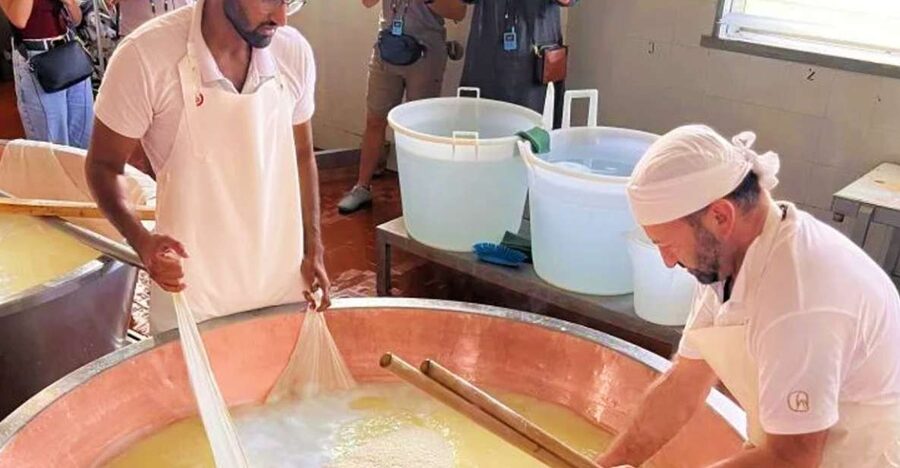
After the curds are cooked and separated, you follow the cheese through shaping and salting. These rooms help explain why Parmigiano Reggiano is a slow food in the literal sense. The wheel does not become the finished product the moment it leaves the vat.
The salting stage is important because salt affects taste, texture, and preservation. The guide connects this step to the months of aging ahead. You may hear about different ages of cheese during the explanation, which prepares you for the tasting at the end.
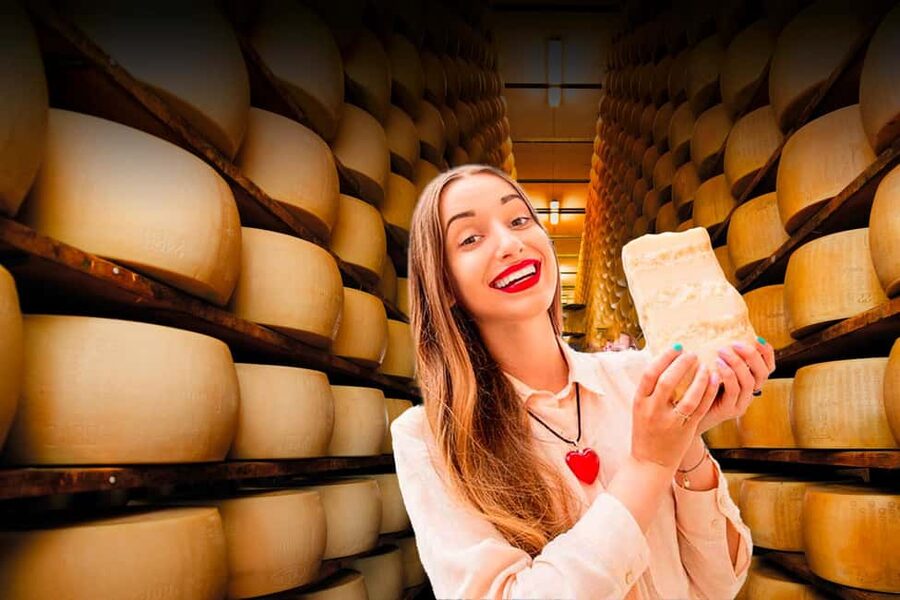
Then comes the stagionatura, the aging room. Here, rows of wheels are stacked and left to mature. The sight of thousands of marked wheels is one of the strongest moments of the tour. It turns an everyday supermarket wedge into the end result of long storage, regular checks, and tied-up money.
The Consorzio, the official consortium connected with Parmigiano Reggiano, tests the wheels. Inspectors hammer them and listen for flaws hidden inside. Wheels that pass receive the familiar fire branding. This detail gives the tour a useful lesson in quality control: the brand is not just decoration, but a mark earned after inspection.
For me, this is where the visit earns its place on a Parma itinerary. You see why authentic Parmigiano Reggiano costs more than an ordinary hard cheese. The cheese maker must buy milk, make the wheels, store them, wait for them to mature, and accept that not every wheel will pass the final check.
A Tasting with Local Wine and Balsamic Vinegar
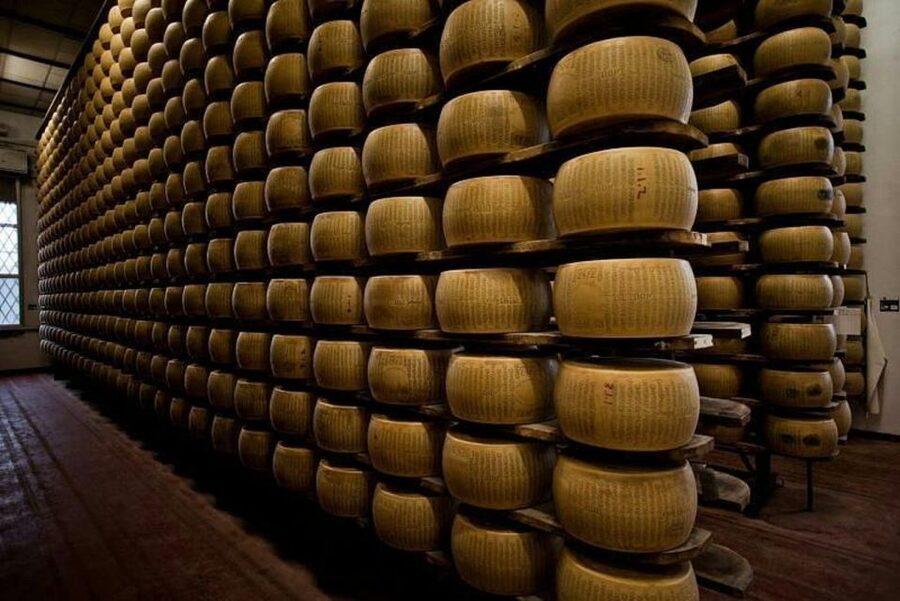
The tasting closes the visit, usually with two aged cheese samples and a glass of local wine. A 24-month Parmigiano Reggiano has been paired with sparkling Lambrusco di Parma, and balsamic vinegar from the area may also be included.
This is not a huge meal, so do not arrive expecting lunch. It is a compact tasting that shows how age changes the cheese and how local sweet acidity can balance its salty, nutty character. The Lambrusco pairing also makes sense in context. You are tasting foods from the same culinary region rather than adding a random drink at the end.
Several guides have been praised for explaining the tasting rather than simply placing cheese on a plate. George, Roberto, and Loris are names associated with clear, friendly presentations. Their style can shape the experience, but the basic format remains the same: cheese, local wine, and an introduction to the flavors of Emilia-Romagna.
You also have a chance to buy cheese and other local products after the tour. This is handy if you want a souvenir that is edible and genuinely tied to Parma. If you are flying, check your airline and customs rules before buying large quantities. For a train-based trip, a small vacuum-packed piece is easier to manage than a full wheel.
More Cheese Farm Visits in Parma
- Parmigiano Cheese Factory Visit and Tasting
★ 5.0 · 22 reviews - Parmesan and Ham Factory Tour
★ 4.5 · 21 reviews - Parmigiano-Reggiano Cheese Factory Small group Tour From Parma
★ 3.5 · 15 reviews - Parmesan Wheels near Parma: Tasting & Factory Tour
★ 4.9 · 10 reviews
Is $82 a Fair Price for Two and a Half Hours?
At $82 per person, the price is fair for visitors who value access, transport, instruction, and tasting in one package. Entry is included, the van collects you near Parma station, and you do not need to find your own way to a rural factory. The tour also uses English or Italian live guides and provides headsets so you can hear clearly.
Still, this is not the cheapest way to eat cheese in Parma. If you only want to taste Parmigiano Reggiano, you can spend far less at a shop or market. You are paying for the working factory visit and the explanation of how the product is made.
The value improves if you have a real interest in food production. Seeing the cheese makers lift curds, walking through the aging room, and learning about hammer testing give the tasting a purpose. You understand the labor before you take the first bite.
One point to consider is the nearby ham tour. The same farm may offer a separate prosciutto visit, and one rating felt that both experiences together would have made the cheese price feel stronger. If you want several food tours, compare the combined cost and schedule before booking.
The tour does offer free cancellation up to 24 hours in advance and a reserve-now, pay-later option. These terms help if your Parma plans are still moving, but they do not protect you from arriving late. Train or transport delays after the scheduled pickup can be treated as a no-show, with no refund or rescheduling.
Who Will Get the Most from This Experience?
I would choose this tour if you want to understand how a famous Italian food is made, not just photograph it. It suits couples, small groups, solo food lovers, and families with older children who can follow a guided production visit.
It also works well for a short stay. The meeting point is easy to reach from Parma station, and the whole outing takes one morning. You can still have lunch in Parma afterward, though you should leave room in your schedule for the return ride and any shopping.
The tour may be less suitable if you have limited mobility. The activity is not recommended for wheelchair users or people with mobility impairments. The factory includes production and aging areas rather than a purpose-built accessible museum, so ask the provider directly if your needs are not covered by that broad restriction.
Children may enjoy the cows and the hands-on sense of a working farm, but the supplied details do not give a minimum age or child price. Ask before booking if you need that information.
Closed shoes are essential, and the tour runs in rain or shine. Bring a light layer if you dislike cool aging rooms, but do not count on carrying a large day bag or luggage in the van.
The Guides Make the Difference
The strongest part of the experience is the human explanation. Cheese making can become dry if the guide simply recites steps, but the best guides turn each room into a conversation.
George is praised for speaking clearly and slowly, useful for an international group. Roberto brings questions and jokes into the explanation. Loris has been noted for his strong command of the process, while Pietro adds practical advice about Parma and the rest of Italy.
You may receive a different guide, so do not book around one specific name. The important point is that the tour has a history of warm, engaged guiding, and the format allows questions. Headsets also help when the factory is noisy or the group spreads out.
The small-group setting adds to that advantage. You can ask why one wheel is aged longer, how the inspectors test it, or how the cheese is used in cooking without shouting across a large crowd.
Should You Book This Parma Cheese Tour?
Book it if you love Italian food, want a working production visit, or have only one morning in Parma. The full route from vat to aging room, followed by cheese, balsamic vinegar, and Lambrusco, gives you a clear sense of place and purpose.
Think twice if $82 feels high for a 2.5-hour outing or if you mainly want a generous meal. The factory portion is focused, and the tasting is modest. Also plan carefully around the 8:30 pickup, closed-shoe rule, no-luggage policy, and strict late-arrival terms.
For the right visitor, this is one of the more useful food activities in Parma. You leave with a better understanding of why Parmigiano Reggiano is protected, tested, aged, and priced as it is, plus the chance to take some of that lesson home in edible form.
FAQ
Where does the tour meet in Parma?
Pickup is at 8:30 a.m. at NH Parma, Viale Paolo Borsellino 31. From Parma Train Station, use the north Falcone/Borsellino exit and walk to the hotel on the right. The van waits in the parking area in front.
How long does the experience last?
The stated duration is 2.5 hours. The van ride takes about 15 minutes each way, and the factory visit, including the guided tour and shopping time, is scheduled for about 1.5 hours.
What languages are available?
The live tour guide is available in English and Italian.
Is transportation included?
Yes. A van takes you from NH Parma to the cheese factory and returns you to the same location.
What will I see at the factory?
You can expect to see milk vats, fresh curds, whey separation, shaping, salting, and the aging room. The tour also explains the Consorzio testing process and fire branding.
What is included in the tasting?
The experience includes Parmigiano Reggiano tastings and local wine. Balsamic vinegar and local delicacies may also be part of the tasting, depending on the presentation.
Can I bring luggage on the van?
No. Large bags and luggage are not allowed on the vans, so store them before pickup.
What happens if I arrive late?
The vehicle may leave after 10 minutes. Late arrivals caused by train or other transport delays can be treated as a no-show, and the booking may not be refundable or reschedulable.
Just added around Parma
- Parmesan and Ham Factory Tour★ 4.5 · 21 reviews
- Parmigiano Reggiano Parma Ham and Castle Private Tour & Tasting★ 5.0 · 9 reviews
- Parmigiano and Culatello Private Tour with Lunch and Farm Visit★ 5.0 · 2 reviews
- Parmigiano Cheese Factory Visit and Tasting★ 5.0 · 22 reviews
- Parmigiano-Reggiano Cheese Factory Small group Tour From Parma★ 3.5 · 15 reviews
- Parmigiano Reggiano and Parma ham tour★ 5.0 · 9 reviews
- From Parma: Parmigiano,Prosciutto and winery Tour and tasting★ 4.5 · 8 reviews
- Parma Food Tour with Sightseeing and Parmesan Tasting★ 4.5 · 14 reviews
Parma Cheese Tours, compared.
Parmigiano Production and Parma Ham Tour & Tasting
Read our review →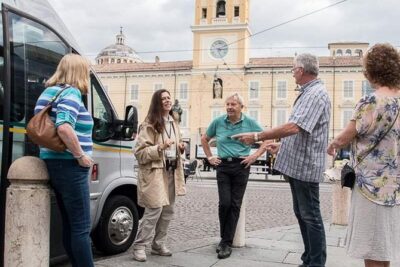
Guided group tour TastyBus: Parmesan Cheese and Parma Ham
Read our review →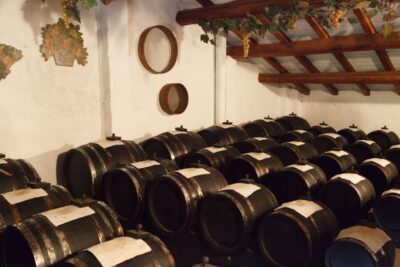
Cheese, Ham, & Balsamic Vinegar Tour with Tastings
Read our review →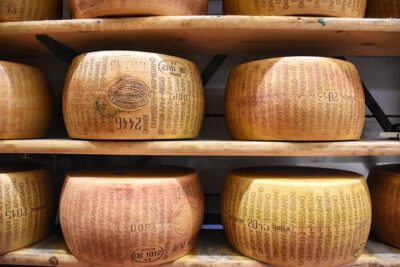
Private Full Day Parma Food Tour: Parmesan Cheese, Parma Ham, Lunch, Vinegar
Read our review →Browse the lists this tour appears in