REVIEW · WINE AND
Sofia: Wine & Cheese Tasting Experience
Bulgaria has been making wine for about 5,000 years, yet its bottles remain unfamiliar to many visitors. This tasting puts that surprise right in front of you: five wines from across the country, paired with Bulgarian cheeses and bread sticks, inside a small shop in central Sofia. I like the focus on local grapes and the way host Kalin connects each glass to a region, a tradition, or a winemaking choice.
I also like the price. At $21, you get five pours, cheese, bread, and mineral water without leaving central Sofia. The main thing to consider is the timing: the activity is advertised as one hour, but some sessions take closer to two hours, especially when the discussion gets going or the group is large.
Five useful things to know before you book
- You taste five Bulgarian wines: The selection can include white, rosé, orange, and red styles, with local grapes and some wines made by Tempus Vini.
- The setting is a real wine shop: Tempus Vini Wine Point is at ul. Knyaz Boris I 81, not in a grand cellar or formal restaurant.
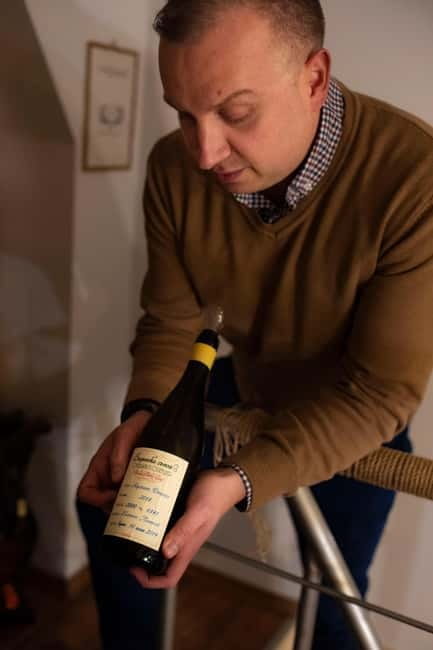
- Kalin usually leads the tasting: He explains Bulgarian wine regions, grape varieties, production methods, and the history behind the bottles.
- Cheese is part of the experience: Local craft cheeses and artisanal bread sticks give you something useful to eat between sips.
- Plan for more than the advertised hour: Smaller tastings may move quickly, while larger groups can use a nearby multimedia room and run longer.
- It is adults-only: Everyone must be at least 18 and should bring a passport or ID card.
Why Bulgarian wine makes this tasting worth your time
The strongest reason to book this experience is simple: Bulgaria gives you a chance to taste wines you may not find easily at home. The country has a long winemaking tradition, but it is not yet as familiar internationally as Italy, France, or Spain. That makes the tasting feel like a useful introduction rather than another predictable lineup of well-known international grapes.
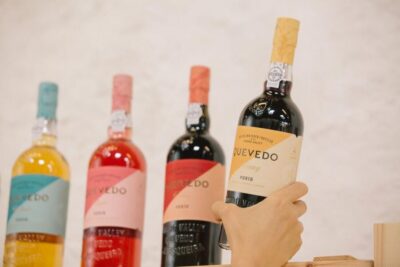
The selection focuses on Bulgarian varieties and wines from different parts of the country. You may taste a Moscato, rosé, orange wine, and two reds, though the exact bottles can change. Some wines use Bulgarian grapes alongside foreign varieties, so this is not a strict lesson in native grapes alone. Still, the range gives you a good sense of how local producers are working today.
I especially like that the wines are not presented as isolated samples. Kalin links them to geography, climate, winemaking methods, and the broader story of Bulgaria. You learn why one bottle tastes fresh and light while another has more body or a deeper fruit character. That context helps you make sense of the glass in front of you.
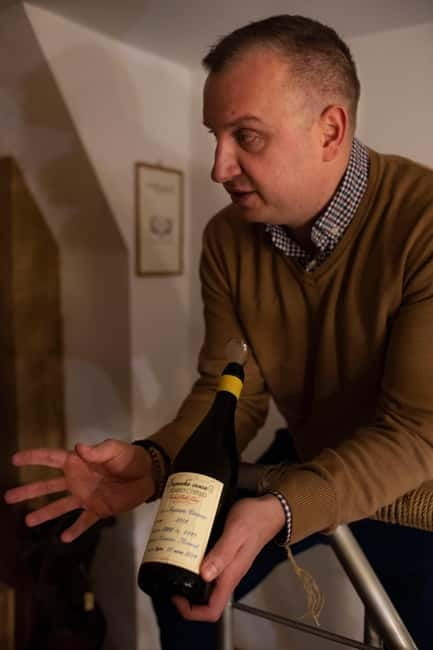
The host’s own connection to wine also adds something. Several sessions have included bottles made by the Tempus Vini team, and one tasting included a personal wine made by the host. That turns the presentation from a basic sales pitch into a look at what small Bulgarian producers are trying to do now.
More Wine and Cheese Tastings in the world:
- Amsterdam: Classic Saloon Boat Cruise with Cheese & Wine
★ 4.6 · 27,035 reviews - Paris: Montmartre Cheese, Wine & Pastry Guided Walking Tour
★ 4.8 · 2,255 reviews - Amsterdam: Evening Candle Light Cruise With Wine & Cheese
★ 4.6 · 1,774 reviews
Arriving at Tempus Vini on Knyaz Boris I Street
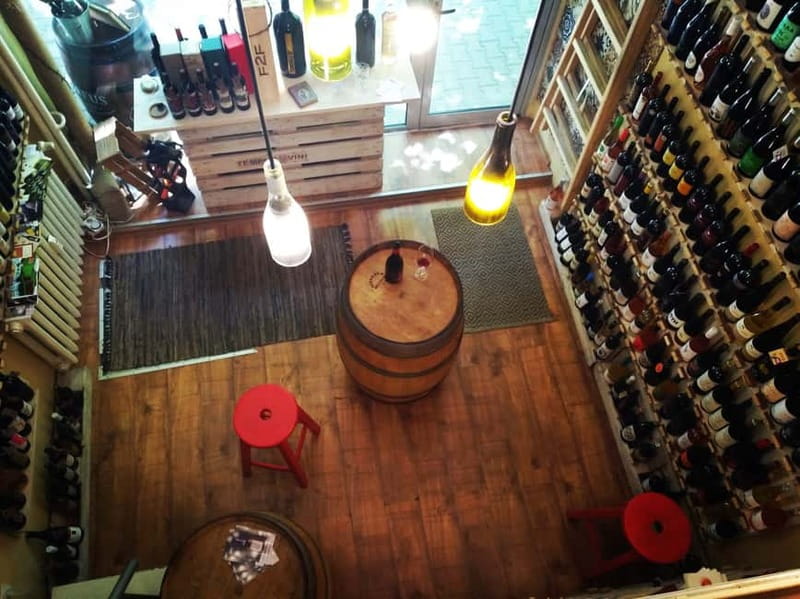
The meeting point is Tempus Vini Wine Point, at ul. Knyaz Boris I 81 in Sofia Center. It is a small boutique wine shop, so do not expect a large tour bus entrance or an obvious tasting-room facade. One useful tip is to allow extra time to find it. The shop can be easy to miss if you are hurrying, and one person arrived rushed after having trouble realizing the meeting point was inside a shop.
This location works well for a tasting before dinner. You begin in central Sofia, spend the evening learning about Bulgarian wine, and finish in the same place without needing transport to a vineyard outside the city. The shop itself provides a more personal setting than a large commercial venue, though the small room may feel close if the group is full.
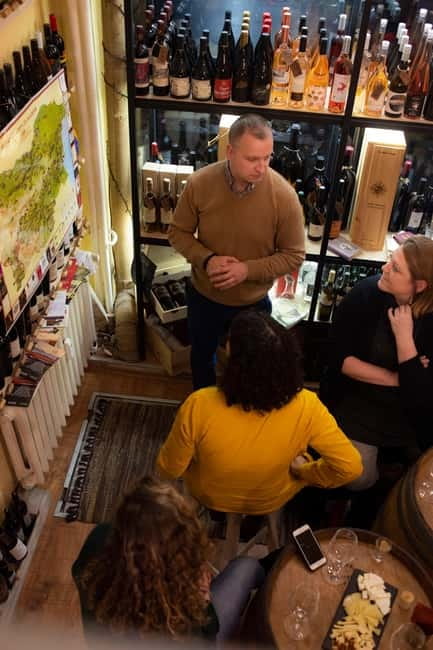
For bigger groups, the tasting may move to a nearby room with multimedia equipment. That gives the presenter more space for maps, images, or other teaching material. You lose a little of the intimate shop feel, but the larger room should make it easier to hear and follow the presentation.
Bring your passport or ID card. This is not only a wine shop visit. All participants must be over 18, and the identification requirement is stated clearly for the activity.
Five glasses, several regions, and a useful lesson in style
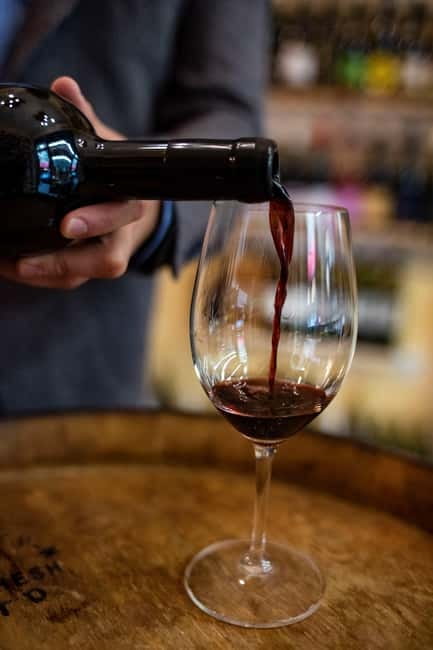
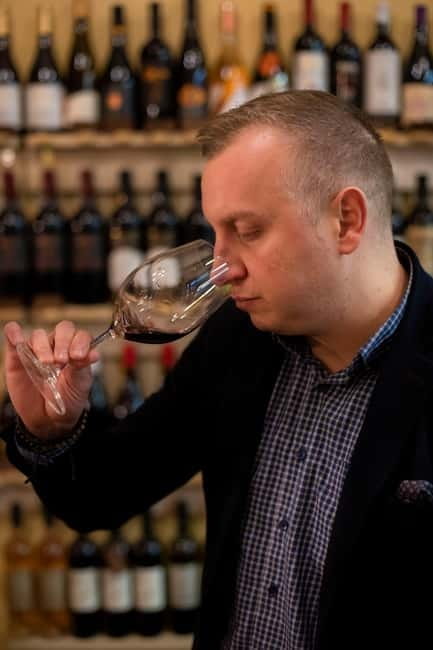
The tasting normally includes five local wine varieties from different parts of Bulgaria. The format is practical: you taste, listen, ask questions, and compare the wines as you go. The wines are served in one glass, with the pours arranged to build in intensity and aroma.
That serving method has one benefit. You do not spend the hour juggling several glasses, and the progression lets you compare styles without a crowded table. The tradeoff is that people who enjoy a formal tasting with separate glassware for every wine may find the setup less traditional.
The range is more important than ceremonial presentation. The wines described during different sessions have included white Moscato, rosé, orange wine, and red wines. One session included three wines from the host’s own winery, while another featured bottles from several producers. You should expect variety rather than a fixed menu.
Orange wine is often the most memorable style for people who usually drink white or red. It offers a different texture and production approach, and it gives the host a good opening to explain how winemaking choices affect color, aroma, and body. You do not need to be a wine expert to follow the discussion. Several people who rarely drink wine still found the tasting approachable.
The selection is also broad enough for mixed groups. If one person prefers lighter wines and another prefers reds, the five pours should offer enough contrast for each person to find something appealing. This is one of the experience’s best features: it does not assume that everyone arrives with the same palate.
Bulgarian cheeses make the tasting more than five small pours
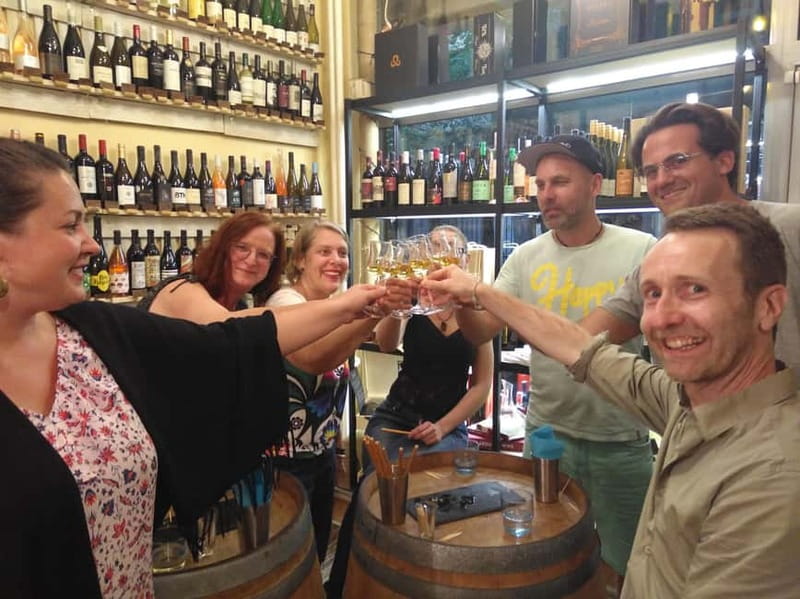
The cheese pairing is not an afterthought. You receive Bulgarian craft cheeses, with artisanal bread sticks and local snacks. The amount appears generous enough to keep the tasting from feeling like five isolated sips, and the cheese gives you a way to test how food changes the wine.
The exact cheese selection can vary, but past tastings have included three types. Some cheeses have been served with olive oil, adding another texture and flavor to the table. The pairings are chosen to work across the wines rather than match one cheese to one highly specific bottle.
This matters at a $21 price point. You are not paying only for five tastes and a talk. You receive a small food pairing, mineral water, and a social setting where you can compare impressions with other people. It is not a full meal, so I would still plan dinner afterward, but it works well as a pre-dinner activity.
The bread sticks are useful, too. They help clear your palate and give you something plain between stronger wines. If you are sensitive to alcohol on an empty stomach, eat before arriving, since the included cheese and snacks are not meant to replace a meal.
A few more cheese tours around the world worth a look
- Amsterdam Classic Saloon Boat Cruise with Drinks and Cheese
★ 5.0 · 31,825 reviews - Amsterdam: Guided Zaanse Schans, Windmills & Cheese Tour
★ 4.4 · 4,826 reviews - Zaanse Schans Windmills, Clogs and Dutch Cheese Small-Group Tour from Amsterdam
★ 4.5 · 2,369 reviews - From Amsterdam: Volendam and Zaanse Schans Tour with Cheese
★ 4.6 · 1,993 reviews
The history lesson is the real added value
Many wine tastings give you a list of grapes and tasting notes, then move on. This one puts Bulgaria’s wine story at the center. You hear how winemaking has developed over centuries and how different parts of the country contribute different styles.
The country’s long wine tradition is especially interesting because its modern international profile is still modest. The presentation helps explain that gap and introduces the newer generation of boutique producers trying to bring attention back to Bulgarian bottles.
Kalin is often praised for making the history clear without turning the session into a lecture. He explains the background of each bottle and answers questions in detail. The result is a relaxed class with wine in the middle, not a memorized speech followed by rushed pours.
You may also hear about Bulgaria’s past place among the world’s major wine exporters. That historical detail gives useful perspective, though the real benefit is learning how the country’s current small producers are using local grapes, new methods, and personal labels to build a modern identity.
The presentation is available in English or Bulgarian. If you want to ask detailed questions about grapes, production, or regions, English-language sessions are suitable. The shop owner or host may lead the event, though the listed experience has also been conducted by other members of the team, including Peter and Karin.
The social side works best in a small group
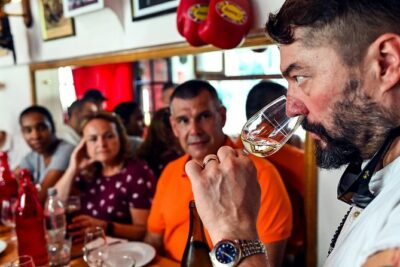
The tasting is social without being forced. Groups may include couples, solo visitors, and people from several countries. A session with around ten people can still feel personal because the group sits together and discusses the wines as they go.
If only two people book, the host still prepares the full tasting rather than scaling it back to a token sample. That makes the experience a good choice for couples or solo visitors who want direct access to the presenter.
The intimate setting also means you can ask questions that might be difficult in a large tour. You can ask why a wine was selected, what region it comes from, or how a particular style is made. The host has also helped people choose bottles after the tasting, and some participants have bought wines they tried or selected a third bottle based on their tastes.
There is one practical catch: the shop is not a luggage-storage service. If you want to buy a bottle, you need a way to carry it. Visitors traveling with only cabin baggage may not be able to take wine home, so think about that before planning a purchase.
How much time should you set aside?
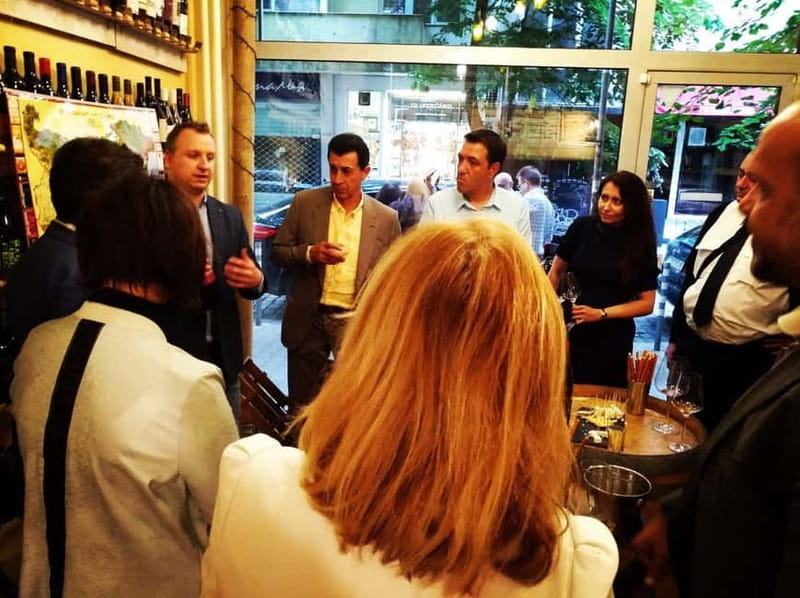
The official duration is one hour. That is enough time for five pours and a focused explanation, especially with a small group. In practice, some sessions last closer to two hours, particularly when the host answers many questions or the group spends time talking through the wines.
I would not schedule a tight dinner reservation immediately afterward. Give yourself at least 30 minutes of extra space. The informal pace is part of the appeal, but it means the event may not end precisely at the one-hour mark.
The tasting begins and ends at Tempus Vini, so there is no transport involved. That makes it easy to fit into a Sofia day. You can book it as an evening activity, a break from sightseeing, or a gentle introduction to Bulgarian food and drink before exploring more restaurants.
The experience is wheelchair accessible. Baby strollers, large bags, luggage, bikes, outside food, and outside drinks are not allowed. Alcohol and drugs are prohibited, and the activity is not suitable for children or pregnant women.
Is $21 good value?
Yes, for most visitors it is a strong value. Five wines alone can cost more than $21 at a central European wine bar, and this price also includes craft cheese, bread sticks, mineral water, and a guided explanation of Bulgarian wine.
The real value depends on how much you want from the presentation. If you only want to drink five samples and leave, a shop tasting may feel slower than expected. If you like learning where a wine comes from and how it fits into a country’s food culture, the added explanation makes the price especially fair.
The chance to taste boutique wines, including bottles made by the host’s own production, also improves the value. You are not limited to the most familiar supermarket labels. The tasting can point you toward a bottle you might otherwise walk past.
Free cancellation is available up to 24 hours before the activity, and you can reserve now and pay later. Those options are useful if your Sofia plans are still shifting.
Who should book this Sofia wine tasting?
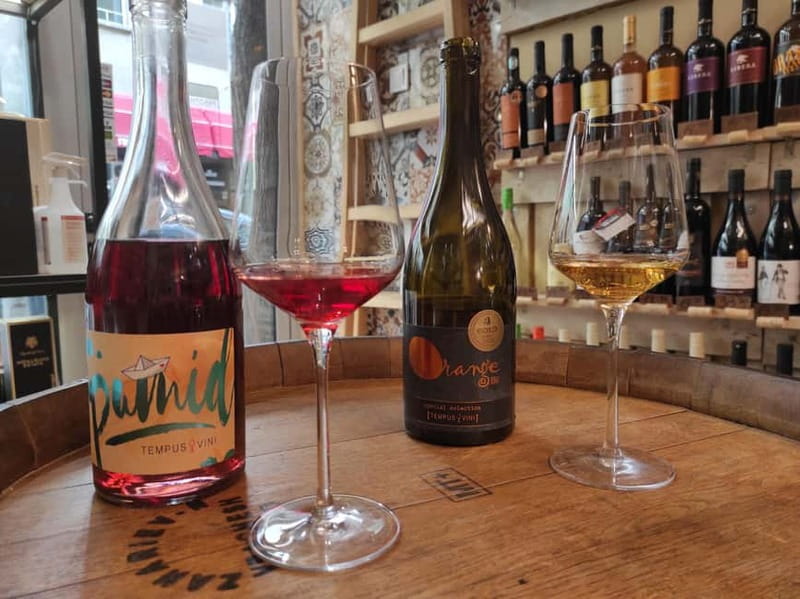
I would book it if you like wine, local food, and short cultural activities that do not require a full day outside the city. It is particularly good for people who know little about Bulgarian wine and want a clear starting point.
It also suits experienced wine drinkers. The unusual local grapes, orange wine, boutique producers, and regional comparisons offer more than a standard international tasting. You may not love every bottle, but the variety gives you something to discuss.
I would be more cautious if you dislike group discussions, need a precisely timed one-hour event, or want a full meal. The room can be intimate, the timing can stretch, and the cheese is a pairing rather than dinner.
Should you book Tempus Vini?
Book it if you want a friendly introduction to Bulgarian wine without leaving Sofia. The strongest parts are the unusual selection, the local cheese, and the host’s ability to connect each wine to Bulgaria’s past and present.
Allow extra time to find the shop, bring identification, and leave room in your evening for a session that may run longer than one hour. If you can carry a bottle afterward, the tasting may also help you choose a Bulgarian wine to take home.
For $21, this is one of the easier ways to add local character to a Sofia itinerary. It is informative, relaxed, adults-only, and focused on bottles you are unlikely to encounter by accident.
FAQ
Where does the wine tasting take place?
It takes place at Tempus Vini Wine Point, a small boutique wine shop at ul. Knyaz Boris I 81, 1000 Sofia Center, Sofia, Bulgaria.
How many wines are included?
The experience includes five local wine varieties from across Bulgaria. The exact selection may vary and can include white, rosé, orange, and red wines.
Is cheese included?
Yes. Bulgarian craft cheeses, artisanal bread sticks, local snacks, and mineral water are included.
How long does the activity last?
The stated duration is one hour. Some sessions can last closer to two hours, depending on group size and the amount of discussion.
What languages are available?
The activity is offered in English and Bulgarian.
Can children attend?
No. All participants must be at least 18 years old, and you should bring a passport or ID card.
Just added around the world
- Zurich: Lucerne Trip, Igloo Fondue and Titlis Rotair Option★ 4.9 · 5 reviews
- Amsterdam: Zaanse Schans E-Bike Tour with Windmills & Cheese★ 4.5 · 12 reviews
- Zermatt: Outdoor fondue “group experience under the stars”★ 4.7 · 3 reviews
- Zurich Open-top Tour and Chocolate and Cheese Countryside★ 3.5 · 11 reviews
- Wine Tasting with Cured Meats & Cheeses in Florence★ 5.0 · 2 reviews
- Zaanse Schans & Volendam Private Tour: Windmills and Cheese★ 5.0 · 5 reviews
- Wine & Cheese Afternoon Wine Tours in NOTL★ 4.9 · 24 reviews
- Wine, Cheese and Charcuterie tasting★ 4.9 · 17 reviews
Wine and Cheese Tastings, compared.
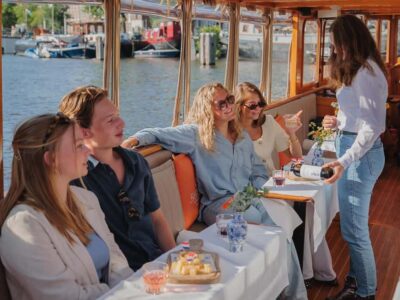
Classic Saloon Boat Cruise with Cheese & Wine
Read our review →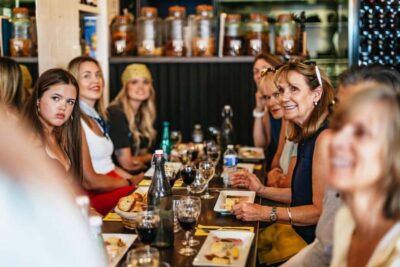
Montmartre Cheese, Wine & Pastry Guided Walking Tour
Read our review →
Evening Candle Light Cruise With Wine & Cheese
Read our review →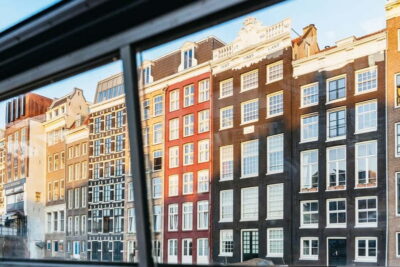
Private Montmartre Food Tour with Wine, Cheese & Pastries
Read our review →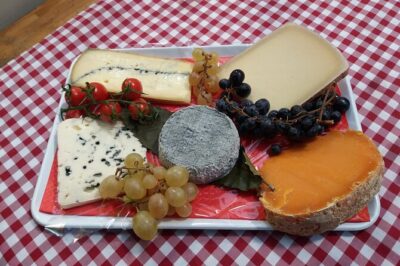
Paris Le Marais Food Tour With 10+ Tastings, Cheese, Wine & More
Read our review →